White Mold Carpet: Identification, Cleaning, and Prevention
Learn practical steps to identify, safely clean, and prevent white mold carpet growth. Practical guidance from Mold Removal Lab to protect your home and health.


You will learn how to identify white mold on carpet, assess moisture sources, and choose safe cleaning versus when to call a pro. This guide covers PPE, cleaning methods, drying strategies, and prevention to keep your carpets healthy and mold-free.
What white mold on carpet is and why it matters
White mold on carpet is not merely a visual issue; it signifies ongoing moisture and potential fungal growth within fibers or padding. For homeowners, spotting white fuzz, powdery patches, or film on carpet warrants prompt action. According to Mold Removal Lab, white mold on carpet often results from persistent humidity, leaks, or inadequate drying after spills. Left untreated, it can cause odors, staining, and health concerns for occupants with allergies or asthma. Recognizing the signs early helps you stop spread, minimize odor, and reduce the need for extensive remediation. This guide helps you evaluate risk, choose safe DIY steps when appropriate, and know when to escalate to professional remediation. Expect clear PPE requirements, practical cleaning methods, and moisture control tactics that prevent recurrence.
In many homes, white mold appears first behind or under the carpet edge, along tack strips, or in moisture-prone basements. The spores can travel through the air and attach to other porous surfaces, so it’s essential to contain the affected area and avoid disturbing the growth more than necessary until you’re ready to treat it. By understanding the root causes—water intrusion, high humidity, or improper drying—you can implement targeted fixes that address both the symptom (the mold) and the cause (the moisture).
Causes and risk factors for white mold on carpet
Moisture is the common thread behind white mold growth on carpet. Water leaks from roofs, plumbing, or spills that aren’t dried within 24–48 hours create a hospitable environment for molds to establish colonies. High indoor humidity—often from poor ventilation, cooking, showers, or damp basements—can sustain mold growth even without a visible leak. Carpet padding and subfloor materials that remain damp provide an ideal substrate for mold to thrive, especially in cooler, poorly ventilated rooms. Another risk factor is delayed cleaning after contamination events like pet accidents or floodwater, which allows organic matter and moisture to feed mold growth. Recognizing these triggers helps you implement rapid responses, such as moisture control, leak repair, and proper drying practices, which reduce the likelihood of recurrent white mold.
From a health perspective, mold spores can irritate eyes, nose, and throat, and may trigger allergic reactions or asthma symptoms in sensitive individuals. The Mold Removal Lab team emphasizes that protecting vulnerable household members—children, elderly, or immunocompromised individuals—should be a priority during cleanup. Identifying mold early and addressing both the mold and the moisture source is essential for long-term air quality and carpet longevity.
Safety and preparation: PPE, containment, and planning
Before you touch anything, put on appropriate PPE: a well-fitting N95 respirator or better, protective goggles, and disposable gloves. Use plastic sheeting to isolate the area and prevent spores from spreading to other parts of the home. If you have carpet in multiple rooms, consider turning off HVAC to minimize cross-contamination while you work. Clear the room of occupants and pets, remove textiles and valuables, and gather your cleaning supplies in a single, washable container. Ventilate the area if possible, but avoid forcing air from the contaminated area into clean spaces. Remember: when mold is present, it’s safer to treat the problem step by step rather than trying to sanitize everything at once. The goal is to reduce exposure and control the environment so that drying and cleaning are effective and safe.
Step-by-step remediation plan for white mold carpet (overview)
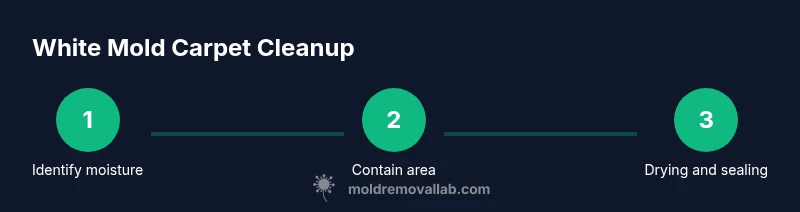
This section provides a high-level overview of the remediation path. For a detailed, step-by-step guide with time estimates, see the dedicated STEP-BY-STEP block. In short, you’ll identify moisture sources, contain the area, remove loose spores, apply a suitable cleaning solution, dry thoroughly, and re-evaluate. If mold persists after cleaning or penetrates carpet padding, professional remediation is recommended. The plan emphasizes minimizing moisture, using gentle cleaners, and documenting conditions to prevent recurrence.
Cleaning methods that work for white mold on carpet
Untreated mold is not just a cosmetic issue; it can encase itself deeper in carpet fibers and padding. Start with non-bleach cleaning methods on colorfast carpet. A solution of mild dish soap and warm water can remove surface soils and some mold while minimizing fiber damage. For more persistent growth, white vinegar (undiluted or diluted 1:1 with water) can be sprayed on the affected area and allowed to sit briefly before blotting. Hydrogen peroxide at 3% concentration can be used on white or colorfast carpets to kill surface mold spores; always test a hidden area to check colorfastness first. Never mix hydrogen peroxide with ammonia or bleach. After applying cleaners, blot up moisture with clean towels and avoid overwetting the carpet. If mold has penetrated the padding, consider carpet replacement after thorough drying, as a floating mold source beneath can re-seed growth.
For stubborn odors and lingering spores, a non-ammonia enzymatic cleaner or a carpet-safe disinfectant recommended by the manufacturer can be effective. While cleaners can address visible mold, they do not guarantee total removal if the mold extends into the padding or subfloor. In cases of significant contamination, or if your home has ongoing moisture issues, professional remediation provides deeper cleaning and documentation for insurance and health considerations. The goal is to restore a safe environment while preserving carpet integrity whenever possible.
Drying and moisture control after cleaning
Mold thrives in damp environments, so the drying phase is critical. Use dehumidifiers and high-capacity fans to circulate air, directing moisture toward a dry exhaust point. If possible, open windows on dry days, but avoid cross-contamination by isolating the cleaning space. A moisture meter can help you gauge when the carpet and padding reach safe moisture levels; many contractors aim for surface moisture under 10–12% on the carpet and under 15% on the padding, but always follow your local guidance. In the days after cleaning, continue to monitor for musty odors and damp spots. Adequate airflow and humidity control reduce the chance of regrowth and protect indoor air quality for everyone in the home.
When to call a professional: indicators that DIY isn’t enough
If the mold covers a large area (for example, more than a couple of square feet) or if you notice persistent odors after cleaning, it’s time to call a professional. Professionals can assess substrate and padding integrity, use specialized equipment (such as moisture meters, infrared cameras, and HEPA air scrubbers), and document remediation efforts for insurance claims. If occupants have health concerns, or if there is a history of water intrusion, professional remediation is strongly advised. The Mold Removal Lab team notes that professionals can also help them identify hidden moisture sources and implement long-term mitigation strategies to prevent future mold growth.
Prevention: long-term strategies to keep white mold from returning
Prevention is more effective than repeated cleanup. Maintain indoor humidity levels below 50-60% with dehumidification, air exchange, and prompt leak repairs. Address spills promptly, and ensure carpets dry within 24-48 hours after any moisture event. Use area rugs in high-traffic zones and consider a moisture barrier under carpets in damp spaces like basements. Regular inspections, especially after heavy rainfall or plumbing work, can catch moisture issues early. Finally, keep closets and storage areas dry to minimize secondary mold risks. By combining moisture control with routine cleaning, you reduce the chance of white mold returning to your carpet.
Quick reference: when to replace carpet vs. clean and salvageable
If mold has penetrated the backing, cushioning, or subfloor, or if cleaning does not restore odor or appearance after repeated attempts, replacement is often the best option. Salvaging mold-contaminated carpet may release spores during removal, posing risks to occupants. In moisture-prone areas, replacing carpet with mold-resistant alternatives or installing moisture barriers can prevent future issues. Always consult a professional if you are unsure about the extent of contamination or damage.
Tools & Materials
- N95 respirator or better(Fit-tested if possible; replace if damaged or damp)
- protective goggles(Keep eyes protected from splashes and spores)
- disposable gloves(Use nitrile or latex; discard after use)
- plastic sheeting or drop cloths(Contain the area to prevent spread)
- HEPA vacuum (or vacuum with HEPA)(Used for dry removal of surface mold)
- mild dish soap(For gentle cleaning of soils)
- white vinegar (5% acidity)(Natural mold cleaner option)
- hydrogen peroxide 3%(Disinfectant option for surface mold; test colorfastness)
- cleaning spray bottle(Mix solutions for easy application)
- baking soda(Odor neutralizer after drying)
- soft brush or cloth(Gentle scrubbing to avoid fiber damage)
- towels or absorbent cloths(Blot excess moisture)
- dehumidifier or industrial fans(Drying ventilation to prevent regrowth)
- moisture meter (optional)(Verify dryness before concluding)
- carpet cleaner or steam cleaner (optional)(For deeper soil and mold residues)
- garbage bags(Dispose contaminated materials safely)
Steps
Estimated time: Total time: 6-48 hours (drying phase may extend this, especially in humid environments)
- 1
Identify moisture source and contain area
Locate the moisture source (leak, spill, or high humidity) and seal off the contaminated area with plastic sheeting to prevent spores from spreading. This limits exposure and creates a safer work zone.
Tip: Do this immediately to reduce cross-contamination. - 2
Put on PPE and prep space
Don an N95 mask, goggles, and gloves. Remove occupants, pets, and nonessential items from the area to minimize exposure while you work.
Tip: Ensure a good seal on the mask and check eyewear for cracks. - 3
Vacuum surface mold with HEPA vacuum
Gently vacuum visible mold on carpet surface with a HEPA-equipped vacuum to capture loose spores. Do not wet the area yet; wet cleaning will come after initial dry removal.
Tip: Work from outside edges toward the center to avoid spreading spores. - 4
Apply a cleaning solution
Spray a mild soap solution or white vinegar onto the affected area. For tougher spots, apply hydrogen peroxide, but test a hidden corner first to avoid color change.
Tip: Never mix cleaners; use one cleaner at a time. - 5
Scrub and blot excess moisture
Gently scrub with a soft brush or cloth, then blot with clean towels to remove moisture. Avoid saturating the carpet further; moisture control is essential after cleaning.
Tip: Press firmly to lift soils without tearing fibers. - 6
Dry thoroughly with air flow
Set up a dehumidifier and fans to dry the carpet and padding. Monitor humidity and moisture levels until the space is dry to the touch and consistently under safe levels.
Tip: Aim for 24-48 hours of drying time, depending on space and ventilation. - 7
Reassess and decide on padding/repair
If odor remains or mold returns after cleaning and drying, evaluate padding or subfloor for replacement. In severe cases, professional remediation may be necessary.
Tip: Document areas cleaned and moisture levels for insurance or records.
FAQ
Is white mold on carpet dangerous?
White mold on carpet indicates moisture and possible fungal growth. It can irritate the eyes, nose, and throat and may affect those with allergies or asthma. If symptoms occur or the mold covers a large area, seek professional help.
White mold on carpet can irritate airways and may be risky for allergy sufferers. If it’s widespread, get professional help.
Can I remove white mold from carpet myself?
Small, isolated patches can often be addressed with careful cleaning and drying. For extensive growth, or if mold returns after cleaning, it’s safer to involve a professional to avoid spreading spores and to ensure padding or subfloor isn’t contaminated.
You can handle small patches with caution, but heavy contamination should be handled by a pro.
What’s the difference between mold and mildew on carpet?
Mildew is a surface mold that’s usually white or gray and easier to remove. Mold refers to various fungi that can penetrate fibers and padding, potentially requiring more intensive cleaning or replacement.
Mildew is a surface issue; mold can penetrate deeper and may need professional cleanup.
How do I know if carpet padding is contaminated?
If the odor lingers after cleaning or visible mold appears on the padding, it’s likely contaminated. Padding often needs replacement because it can harbor unseen mold spores.
Persistent odor or visible growth on padding means it may need replacement.
How can I prevent mold in the future?
Control indoor humidity, fix leaks promptly, clean spills quickly, and ensure good ventilation. Regular inspections after heavy rain or water events help catch issues early.
Keep humidity down, fix leaks fast, and ventilate to prevent mold return.
How long does remediation take in typical homes?
DIY cleanup may take a day or two depending on area size and drying conditions. Larger or more contaminated spaces, or moisture issues, can extend the timeline and may require professional services.
Most jobs take a day or two, but more extensive cases can take longer.
Watch Video
The Essentials
- Identify moisture sources early and contain the area.
- Use proper PPE and safe cleaning methods for white mold on carpet.
- Dry thoroughly to prevent recurrence and protect indoor air quality.
- Assess carpet padding; replace if contamination persists.
- Prevent future mold with humidity control and prompt spills cleanup.