White Mold on Fabric: How to Clean, Disinfect, and Prevent
Learn practical steps to identify, treat, and prevent white mold on fabric. This Mold Removal Lab guide covers fabrics, methods, safety, and prevention.


This guide helps you identify white mold on fabric, decide whether cleaning is safe, and remove it using fabric-safe methods. You’ll learn how to inspect fabrics, choose cleaners appropriate for cotton, wool, or synthetics, and apply steps that minimize damage. The guide also covers drying, storage, and prevention to stop mold from returning.
Understanding white mold on fabric
White mold on fabric appears as powdery patches, fuzzy growth, or a slimy film on textiles that have been stored damp or exposed to humid air. It can grow on natural fibers like cotton, linen, wool, and silk, as well as blends, when moisture lingers. According to Mold Removal Lab, early recognition is critical because mold can stain, weaken fibers, and contribute to musty odors. The Mold Removal Lab team found that moisture intrusion—such as leaks, inadequate ventilation, or high ambient humidity—creates the perfect conditions for mold to thrive on fabrics. When you first notice white patches, examine nearby items and the storage area for other signs of moisture. While some white patches may be mineral deposits, treating unknown growth promptly reduces health risks and cross-contamination.
Causes and common hotspots
Mold on fabric thrives where moisture lingers and air movement is poor. Common hotspots include closets with damp walls, basements where humidity is high, storage bins that aren’t air‑tight, and laundry areas with poor drying. Prolonged moisture exposure can turn a damp towel, sweater, or curtain into a breeding ground. To minimize risk, ensure fabrics are fully dry before storage, use breathable containers, and address any leaks or condensation quickly.
Safety considerations and PPE
Working with mold requires basic safety precautions. Wear gloves, a mask rated for particulates, and eye protection when handling moldy fabrics, especially if you will scrub or agitate fibers. Ventilate the area by opening windows or using a fan, and avoid creating aerosols that could irritate the lungs or skin. If you have allergies or asthma, consider moving the affected items to a well-ventilated space or seeking professional assistance. The Mold Removal Lab team emphasizes that protective equipment reduces exposure and helps keep your home healthier.
Fabric assessment: colorfastness and care labeling
Before cleaning, inspect the fabric care label for wash instructions and colorfastness. If the label indicates dry clean only, you’ll need professional help or non-damaging spot treatments designed for that material. Perform a small colorfastness test on an inconspicuous corner: dab a tiny amount of cleaner and blot with a white cloth to see if color bleeds. If color transfers, avoid aggressive cleaners and test alternative methods. This assessment helps prevent additional damage while you remove the mold.
Cleaning methods by fabric type: washable fabrics (cotton, blends, synthetics)
For washable fabrics, a combination of washing and careful drying is typically effective. Start with a pre-treatment: a solution of white vinegar or a mild detergent applied to the affected area for 10–15 minutes, then rinse. Wash on the hottest setting allowed by the care label, using an appropriate laundry product. After washing, check to ensure the mold is gone before drying. If stains persist, repeat the wash with an oxygenated or color-safe bleach according to the fabric’s tolerance. Mold health risks can be reduced by addressing moisture promptly, as Mold Removal Lab recommends.
Cleaning methods by fabric type: delicate fabrics (wool, silk, lace)
Delicate fabrics require gentler handling. For wool or wool blends, hand wash with a mild detergent in cool water and avoid vigorous agitation. Silk and lace may need spot cleaning or dry cleaning alternatives; test a hidden area first. Avoid direct heat during drying and lay flat or hang to dry away from direct sunlight. When in doubt, opt for professional cleaning, especially for silk or antique textiles. The goal is to remove mold without shrinking or weakening fibers.
Non-washable fabrics and stain removers
Leather, suede, and certain embossed or laminated fabrics can react badly to water. For these, avoid soaking; instead, use specialized mold cleaners or a professional service. For non-porous surfaces of leather, wipe with a damp cloth and a mild cleaner, then condition the leather. Always test cleaners on a small area first and follow the manufacturer’s care guidelines. If mold persists, seek professional remediation to prevent further damage.
Drying, storage, and prevention strategies
After cleaning, thoroughly dry fabrics to prevent recurrence. Air-dry in a sunny, well-ventilated area if possible; otherwise, use a low-heat dryer setting allowed by the fabric label. Ensure items are completely dry before folding or storing in breathable containers. Improve storage by enhancing ventilation, reducing humidity with dehumidifiers, and inspecting stored textiles regularly. Regular cleaning and moisture control are key to preventing white mold on fabric. Mold Removal Lab highlights that proactive maintenance reduces future outbreaks.
When to discard or seek professional help
If mold damage is extensive, if odors persist after cleaning, or if fabrics are heavily contaminated or fragile, discard damaged items or consult a professional. Persistent issues in storage areas may indicate moisture problems that require structural or environmental remediation. For persistent mold concerns that involve large areas or potential health risks, professional remediation is advised. The Mold Removal Lab team notes that professional assessment can prevent ongoing health issues and protect your home.
Quick-reference cleaning checklist
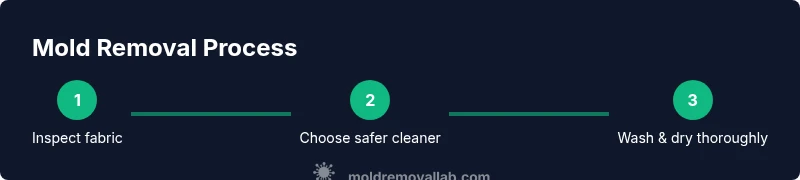
- Identify mold and isolate affected fabrics
- Check care labels and colorfastness
- Choose appropriate cleaners (vinegar, mild detergent, or fabric-safe products)
- Pre-treat and wash according to fabric type
- Dry thoroughly in a ventilated area
- Inspect for remaining mold; repeat if necessary
- Store in breathable containers with low humidity
- Monitor storage areas regularly to prevent recurrence
Common myths and truths about fabric mold
Myth: Bleach kills all mold instantly on any fabric. Truth: Bleach can damage fibers and colors; use only where safe and appropriate. Myth: Mold on fabric is rare. Truth: Mold can appear whenever moisture is present for extended periods, especially in damp spaces. Myth: Once cleaned, mold never returns. Truth: Without moisture control, mold can reappear. The real solution combines cleaning with humidity control and storage improvements.
Tools & Materials
- All-purpose laundry detergent(Choose a product suitable for your fabric type; avoid additives that may irritate sensitive fibers)
- White vinegar(Used for pre-treatment on washable fabrics; not a substitute for proper cleaning on all fabrics)
- Baking soda(Can help deodorize while cleaning; use in conjunction with detergent)
- Hydrogen peroxide (3%)(Color-safe option on whites or colorfast fabrics; test first)
- Washing machine with hot water option(Use only if the fabric label allows hot water; avoid heat that could shrink or damage fibers)
- Delicate-cleaning basin(For hand-washing delicate fabrics like silk or wool)
- Soft-bristled brush(Gently loosen mold from fibers without fraying)
- White cloth or paper towels(For blotting and testing colorfastness; use clean cloths to avoid recontamination)
- Mask and gloves(Protect lungs and skin from mold exposure)
- Ventilation or dehumidifier(Reduces moisture in the cleanup area to prevent regrowth)
Steps
Estimated time: 60-120 minutes
- 1
Isolate affected fabrics
Move moldy items away from clean textiles and place them in a separate area to prevent cross-contamination. Open windows or run a fan to improve airflow.
Tip: Do not shake fabrics; this can disperse spores into the air. - 2
Check care labels and plan method
Read labels for washing instructions and confirm whether hot water, bleach, or dry cleaning is allowed.
Tip: If unsure, test a hidden area before applying cleaners. - 3
Pre-treat with safe cleaner
Apply a mild cleaner or white vinegar solution to the moldy area and let it sit briefly to loosen spores.
Tip: Avoid mixing cleaners; follow label directions. - 4
Wash fabrics according to type
Wash washable fabrics on the hottest setting allowed, using an appropriate detergent. For delicates, hand wash or use a gentle cycle.
Tip: Do not overload the washer; allow room for agitation. - 5
Rinse and inspect post-wash
Check whether mold is removed; rewash if any patch remains or odors persist.
Tip: If odor remains, repeat cleaning cycle and avoid reintroducing damp items. - 6
Dry thoroughly
Dry fabrics completely in a well-ventilated area; sunlight is helpful for white or colorfast textiles, otherwise use low heat as permitted.
Tip: Never store damp fabrics; moisture invites regrowth. - 7
Non-washable fabrics care
For leather, suede, or non-washable items, use specialized cleaners or seek professional help.
Tip: Spot-clean only if recommended by manufacturer. - 8
Prevent future growth
Address moisture sources, improve ventilation, and store textiles in breathable containers with low humidity.
Tip: Consider a dehumidifier in damp areas like basements or laundry rooms.
FAQ
Is white mold on fabric dangerous to health?
Mold exposure can trigger allergic reactions and respiratory symptoms in sensitive individuals. Wear protective gear and ventilate the area during cleanup. If symptoms persist, contact a healthcare professional.
Mold exposure can affect health, especially for sensitive people. Use protection and ventilation, and seek medical advice if symptoms persist.
Can I use bleach on moldy fabric?
Bleach can damage dyes and some fabrics; use only if the label allows and the fabric is colorfast. For many textiles, milder cleaners or oxygen-based bleaches are safer options.
Bleach isn’t always safe for fabrics. Check the label and test first; there are safer cleaners for most textiles.
How do I test if fabric is colorfast?
Test a tiny corner with a small amount of cleaner on a hidden area and blot with a white cloth. If color bleeds, avoid strong cleaners and choose gentler methods.
Test a hidden spot first. If color bleeds, opt for gentler methods to protect the fabric.
Should I dry moldy clothes in direct sun?
Sunlight can help with drying and odor removal on some fabrics, but avoid intense sun for color-sensitive textiles. Dry completely in a ventilated area.
Sun can help, but be careful with colors. Ensure items dry completely in a ventilated space.
Can mold return after cleaning?
Yes, if moisture remains a problem, mold can regrow. Address humidity, fix leaks, and improve storage to reduce recurrence.
Mold can come back if moisture stays. Fix humidity and leaks and store textiles properly.
When is professional remediation needed?
If a large area is affected, if odor persists after cleaning, or if you suspect structural moisture problems, consider professional remediation to protect health and home.
Call a professional if the mold problem is large or persistent or if moisture issues are ongoing.
Watch Video
The Essentials
- Identify mold early to prevent spread
- Follow care labels to choose safe cleaners
- Thorough drying stops regrowth
- Moisture control is key to prevention
- Know when to seek professional help