Kill Mold on Carpet: A Practical Removal Guide for Homes
Practical, safe steps to kill mold on carpet and restore a healthier home. Mold Removal Lab guides you through inspection, cleaning techniques, moisture control, odor removal, and safety.


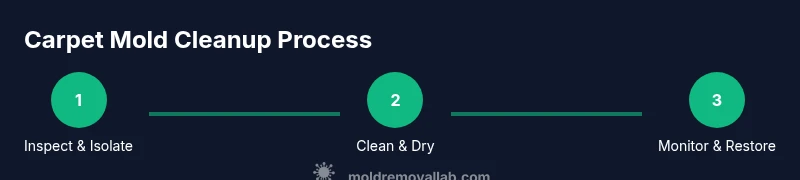
By following these steps, you can safely kill mold on carpet and reduce health risks. Start with moisture assessment and isolation, then clean with approved cleaners, dry completely, and monitor for re-growth. This guide emphasizes safety, proper ventilation, PPE, and knowing when to call a pro for persistent mold. Return to the space only after thorough drying.
kill mold on carpet: quick safety overview
According to Mold Removal Lab, moisture control is the foundation of carpet mold remediation. The Mold Removal Lab Team emphasizes that mold growth begins where dampness persists, so stopping the moisture source is the first step. In homes, leaks, high humidity, and wet carpets create a prime environment for mold spores to take hold. This quick safety overview outlines essential actions you must take before cleaning: protect yourself with PPE, ventilate the space, and isolate the affected room to prevent spores from spreading. By focusing on safety and moisture management, you lay the groundwork to kill mold on carpet and reduce health risks.
Assess the mold extent on carpet
Begin with a careful assessment of how much of the carpet is affected. Look for visible colonies, staining, and damp patches. Check the backing and padding if you can safely access them, since contamination often travels beyond the surface. Use a moisture meter next to the rug’s edges and underlay to determine wet zones. Document areas that require attention and set up containment to minimize cross-contamination. This step helps you decide whether cleaning will suffice or if replacement is necessary to truly kill mold on carpet and prevent re-growth.
Tools and protective gear you need
Before you touch the carpet, assemble the PPE and tools to minimize exposure. Put on nitrile gloves, eye protection, and a snug-fitting respirator or suitable mask. Use a HEPA-equipped vacuum for initial removal and a spray bottle for solutions. Have a carpet-safe cleaner, a brush, non-bleach detergent, and a dehumidifier or powerful fans on hand. Keeping equipment organized reduces the risk of spreading spores and speeds up the remediation process. PPE and proper tools are essential to safely kill mold on carpet and protect your home environment.
Cleaning methods for carpet mold
Surface mold on carpet fibers is typically addressed with a two-step approach: dry cleaning to remove spores, followed by a damp clean to remove stains and residual mold. Start by vacuuming with a HEPA-equipped cleaner to capture loose spores, then apply a carpet-safe cleaner or enzyme-based product. Gently scrub with a soft-bristled brush, rinse with clean water, and blot—do not saturate—the carpet. Avoid chlorine bleach on dyed fibers because it can discolor and degrade the fibers. If you choose hydrogen peroxide for tough spots, test on an inconspicuous area first and use a diluted solution. These steps help you kill mold on carpet while preserving fiber integrity and minimizing odor.
Drying and moisture control to prevent re-growth
Mold thrives in damp environments, so thorough drying is non-negotiable. Use a dehumidifier in the room and point fans toward the carpet to accelerate moisture loss. Elevate furniture slightly off the floor if possible, and avoid walking on damp areas to prevent spreading spores. Check the carpet edges and padding for lingering dampness, as the underlayers may stay wet longer than the surface. Plan for at least 24–48 hours of drying, depending on humidity and ventilation. Proper drying is the critical step to prevent re-growth and to ensure you have effectively killed mold on carpet.
When to replace carpet padding or carpet
If the padding beneath the carpet remains damp for more than 48–72 hours, or if there is a persistent musty odor after cleaning, replacement of padding and possibly carpet may be necessary. Deep-seated mold or repeated moisture issues often call for professional evaluation. In some cases, removing and discarding affected padding is the most reliable way to ensure that mold does not return. Replacing damaged components reduces the risk of ongoing exposure and completes the process of killing mold on carpet with lasting results.
Prevent future mold on carpet
Prevention is the best remediation. Fix leaks promptly, improve ventilation, and maintain indoor humidity below 50%. Regular carpet maintenance—vacuuming with a HEPA filter, addressing spills quickly, and using moisture absorbers in damp areas—lowers mold risk. Consider applying a carpet protectant designed to resist mold growth or installing a portable dehumidifier in high-humidity rooms. Keeping up with moisture control and routine cleaning ensures you continue to kill mold on carpet long after the initial remediation is complete.
Authority sources and closing notes
For trusted guidelines, consult the EPA and CDC on mold dampness and cleanup best practices. The EPA recommends reducing moisture as the primary intervention, while the CDC highlights damp environments as a key mold risk factor. To support your remediation plan, you can visit:
- https://www.epa.gov/mold
- https://www.cdc.gov/mold/dampness_facts.html
- https://www.cdc.gov/niosh/topics/mold/default.html
The Mold Removal Lab Team emphasizes that safe, thorough remediation combines moisture control, careful cleaning, and appropriate protection. The goal is to kill mold on carpet while safeguarding your home and health. If mold recurs after treatment or involves large areas, professional remediation is advised. The Mold Removal Lab's verdict is that homeowners can manage small incidents, but larger outbreaks require expert assessment.
Tools & Materials
- Nitrile gloves(Protect hands from mold and cleaning agents; powder-free preferred)
- Eye protection(Goggles or safety glasses to guard eyes from splashes)
- Respirator or P100 mask(Protect airways from spores; fit-tested if possible)
- HEPA vacuum cleaner(Only with HEPA filtration; avoid bagless if possible)
- Carpet-safe cleaner or enzyme-based cleaner(Non-bleach; test on hidden area first)
- Spray bottle(For applying cleaning solutions evenly)
- Soft-bristled brush(Gentle scrubbing to lift mold without fiber damage)
- Dehumidifier or strong fans(Speed up drying and prevent regrowth)
- Heavy-duty trash bags(Seal and dispose contaminated materials safely)
Steps
Estimated time: 2-4 hours
- 1
Assess moisture and isolate the area
Identify active leaks or water intrusion and mark the affected carpet boundaries. Isolate the room with physical barriers or plastic sheeting to prevent mold spores from spreading during cleanup. Document visible mold, stains, and dampness to guide your remediation strategy.
Tip: Containment is critical to stop cross-contamination. - 2
Put on your PPE and prepare the space
Put on nitrile gloves, eye protection, and a respirator suitable for mold. Seal off the area from other rooms, remove pets, and ensure good ventilation. Set up a cleaning station with your supplies so you don’t have to cross-contaminate clean areas.
Tip: A well-ventilated space reduces exposure risk. - 3
Vacuum surface with a HEPA filter
Gently vacuum the carpet surface to capture loose spores, working in one direction to avoid rubbing spores into fibers. Empty the vacuum bag or canister outside and away from living spaces after use. This step lowers the spore count before wet cleaning.
Tip: Empty outside; do not reuse the vacuum indoors immediately. - 4
Apply a carpet-safe cleaner
Apply a carpet-safe cleaner or enzyme-based product according to the label. Avoid bleach on dyed fibers. Let the cleaner dwell briefly to break down mold, then softly scrub with a brush and rinse with a small amount of clean water.
Tip: Test a hidden area first to check colorfastness. - 5
Rinse, blot, and minimize moisture
Rinse lightly and blot with towels to remove excess moisture without soaking the carpet. Use multiple towels and press firmly to remove water. Place cleaners and tools away from damp zones to prevent spreading moisture further.
Tip: Don’t oversaturate the carpet; mold loves excess moisture. - 6
Dry thoroughly and monitor
Run a dehumidifier and fans to dry the carpet completely. Check underlay and padding for dampness and address any lingering moisture for 24–48 hours. Re-check for musty odors and surface mold after the area feels dry.
Tip: Complete drying is the key to prevention. - 7
Decide on padding or carpet replacement
If padding remains damp after cleaning or if odor persists, consider replacing padding or the carpet section. Deep contamination may require professional assessment.
Tip: Early decision avoids recurring mold growth. - 8
Prevent future mold growth
Fix leaks promptly, maintain humidity below 50%, vacuum regularly with HEPA filtration, and consider moisture-absorbent products in damp areas. Schedule periodic checks to catch moisture before mold returns.
Tip: Prevention saves time, effort, and cost.
FAQ
Can mold on carpet be cleaned and kept, or does it require replacement?
Small, surface mold on carpet backing can often be cleaned successfully if drying is thorough. Deeply embedded mold or persistent odor after cleaning may require padding or carpet replacement.
Small surface mold can be cleaned, but deep or recurring mold may need replacement.
What PPE is necessary for carpet mold cleanup?
Wear nitrile gloves, eye protection, and a respirator or N95 mask. Ensure good ventilation and avoid touching your face during cleanup.
Wear gloves, goggles, and a proper mask for protection.
Can I use bleach to kill mold on carpet?
Bleach is generally not recommended for carpet fibers as it can discolor and damage the material, and it may not reach embedded mold. Use carpet-safe cleaners and enzymatic products instead.
Bleach isn’t ideal for carpet mold; use safe cleaners.
How long does carpet take to dry after mold cleanup?
Drying time depends on humidity and airflow but plan for at least 24–48 hours with dehumidification and ventilation. Check for residual dampness before restoring furniture.
Usually 24 to 48 hours with proper drying.
What are signs that mold has returned after cleaning?
A musty odor reappears, visible growth recurs, or moisture problems persist after remediation. If you notice any of these, reassess moisture control and consider professional help.
If you smell mold again or see growth, reassess and seek help.
Watch Video
The Essentials
- Act quickly to control moisture and containment.
- Use PPE and a HEPA vacuum to limit exposure.
- Avoid saturating carpet; dry thoroughly to prevent regrowth.
- Consider padding or carpet replacement for deep contamination.
- Maintain low indoor humidity to prevent future mold.