Carpet Mold Remover: A Practical Step-by-Step Guide
Discover safe carpet mold removal with practical steps, PPE tips, cleaners, and moisture-control strategies to prevent recurrence in homes and rentals.


This guide shows you how to safely remove carpet mold and prevent recurrence. You will learn how to identify mold growth on carpeting, choose appropriate cleaners, and thoroughly dry the area using PPE and moisture-control strategies. This approach prioritizes safety, practicality, and long-term mold prevention for homes and rentals. By following the steps, you’ll reduce exposure risk and protect indoor air quality.
Understanding Carpet Mold: Causes and Risks
Carpet mold is more than an unsightly stain—it's a sign of persistent moisture and a potential health hazard. Left unchecked, mold can release spores into the air, affecting occupants with allergies, asthma, and other sensitivities. For homeowners and renters, identifying the root causes is the first step in effective remediation. According to Mold Removal Lab, the most common triggers are hidden moisture, leaks, and improper ventilation in rooms with wall-to-wall carpeting. A reliable carpet mold remover plan starts with moisture control, not just surface cleaning. Visual signs like staining, musty odor, or visible halos indicate a deeper problem and call for thorough treatment. Always start with safety: wear PPE, isolate the area, and ensure children and pets are kept away during remediation. In addition to addressing the carpet, inspect adjacent padding and subfloor where moisture may have penetrated. A comprehensive approach reduces the likelihood of regrowth and protects indoor air quality for the long term.
This section lays the groundwork for why carpet mold remover tasks matter, especially in homes with imperfect ventilation and fluctuating humidity. Readers should understand that removing visible mold is not enough; addressing moisture sources is essential to long-term success. Mold Removal Lab’s guidance emphasizes moisture control as the cornerstone of any remediation plan.
Assessing the Situation and Preparing Safe Work
Before you start the carpet mold removal process, take a measured, safety-first approach. Inspect for visible mold growth, damp patches, and any lingering odors that signal moisture behind the carpet. If you see extensive staining, or if occupants have respiratory sensitivities, pause and consider professional assessment. Always plan to isolate the area to prevent spores from spreading to other rooms. Remove furniture and place plastic sheeting to create a containment zone. Ventilate the space using a fan directed outward, and ensure powered equipment is away from water sources. Keep children and pets out of the area during remediation. Document moisture sources (leaks, humidity levels) and address them, because remediation is more successful when moisture intrusion is stopped at the source. This step lays the foundation for an effective carpet mold remover project, reducing cross-contamination and protecting indoor air quality.
Tools and Supplies You'll Need for Carpet Mold Removal
A proper kit helps keep you organized and safe. Essential items include PPE (N95 respirator, gloves, goggles) to protect your lungs and skin, a HEPA vacuum to trap fine spores, absorbent cloths, and a soft-bristle brush for gentle scrubbing. You will also need a carpet-safe mold remover or cleaning solution, plus a spray bottle for even application. For drying, a dehumidifier or powerful fans reduce moisture quickly. Keep plastic sheeting, tape, and a sturdy trash bag ready for containment and disposal. If your carpet is heavily soaked or the padding is moldy, plan for upholstery or padding replacement. Having a moisture meter helps you verify dryness before declaring the job complete. With the right tools, you’ll execute the remediation more efficiently and reduce the risk of regrowth.
Step-by-Step Process Overview
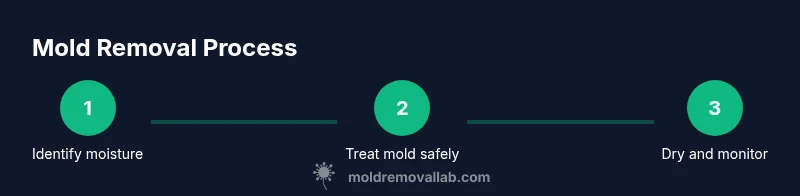
The process consists of containment, cleaning, moisture removal, and post-remediation checks. Start by isolating the area, then remove visible mold and soluble debris using mild cleaners and gentle scrubbing. After treatment, extract moisture and ensure the carpet dries completely. Finally, recheck for odors and moisture, and document results for future reference. This overview prepares you for the detailed steps that follow in the dedicated guide. By understanding the sequence, you can minimize cross-contamination and optimize drying time.
Drying and Moisture Control to Prevent Recurrence
Moisture control is the heart of mold prevention. After cleaning, keep airflow moving and use a dehumidifier to reduce relative humidity to below 60% (ideally around 50%). Check the carpet and pad regularly for dampness; rely on a moisture meter if possible. Avoid turning on carpet cleaners until the area says dry. The goal is to reach a consistently dry state for 24-48 hours, which minimizes regrowth risk and helps protect flooring and subfloor materials from moisture damage.
Cleaning and Treatment Options for Carpet Mold
Carpet mold can be treated with safer cleaners that are designed for fabrics and fibers. Avoid using bleach on carpet fibers, which can degrade texture and release harsh fumes. Use a carpet-safe mold remover or a diluted detergent solution; spot test first on an inconspicuous area. For stubborn mold, consider professional-grade cleaners or encapsulating products that can help seal spores. Do not oversaturate carpet; apply cleaning agents sparingly, work in small sections, and blot dry as you go. Adequate drying is essential to prevent regrowth and must follow any cleaning step.
Post-Remediation Inspection and Testing
After treatment and drying, inspect visually for residual staining or odors. A musty smell may indicate remaining moisture or hidden mold behind the carpet backing. Use a moisture meter to verify dryness in the carpet, padding, and subfloor where accessible. If moisture remains or new mold appears within a week, re-evaluate the area and consider a higher level of intervention. Keeping records of moisture readings, cleaning steps, and dry-time helps track effectiveness and guides future prevention.
Choosing Cleaning Agents: DIY vs Pro
DIY cleaners like mild detergents, vinegar solutions, and water can be effective for small, localized mold on carpet fibers. For larger infestations or mold behind padding, professional-grade products may be necessary, and a professional assessment can ensure structural integrity is maintained. When in doubt, prioritize safety and consider professional remediation to prevent spread and ensure thorough drying. Always perform a spot test and follow manufacturer directions to protect carpet fibers and indoor air quality.
Maintenance and Prevention: Keep Mold from Returning
Ongoing prevention is the best defense against carpet mold. Maintain moderate humidity levels, promptly fix leaks, improve ventilation in damp rooms, and schedule regular vacuuming with a HEPA-equipped cleaner. Address spills quickly and blot moisture rather than rubbing it in. Consider periodic professional inspections if your home has a history of moisture problems, such as basements, bathrooms, or kitchens with poor ventilation. A proactive maintenance routine reduces future mold risk and keeps carpet fibers healthier over time.
Tools & Materials
- N-95 respirator(Fit-tested if possible; replace if damp)
- Protective gloves(PVC or nitrile; avoid latex if sensitive)
- Safety goggles(Wraparound style preferred)
- HEPA-filter vacuum(HEPA-rated; use with care on wet surfaces)
- Soft-bristle brush(Gentle scrubbing to avoid fiber damage)
- Scraper or blunt tool(Use for stiff debris on backing if needed)
- Carpet-safe mold remover(Check label for fabric compatibility)
- Spray bottle(For even application of cleaners)
- Absorbent cloths/towels(For blotting and drying after cleaning)
- Moisture meter or hygrometer(Monitor dryness levels)
- Dehumidifier or high-grade fans(Move air and reduce humidity)
- Plastic sheeting and painter's tape(Containment and protection)
- Trash bags(For disposal of contaminated materials)
- Carpet pad replacement (optional)(Plan for pad replacement if heavily moldy)
Steps
Estimated time: 2-6 hours
- 1
Assess the extent and safety
Begin with a thorough visual check for mold growth, moisture sources, and odors. Confirm that the area can be remediated safely with PPE and containment. If you notice extensive contamination or occupant health concerns, pause and seek professional help.
Tip: Wear PPE before touching mold; capes and hooded gear can help keep clothing clean. - 2
Contain and protect the area
Seal off the affected space with plastic sheeting and tape to prevent spores from spreading. Move or cover furniture, and post warning signs so others avoid the area during remediation.
Tip: Create a clear path for cleanup to minimize tracked debris to other rooms. - 3
Remove loose debris and dry matter
Vacuum visible dust and debris with a HEPA vacuum; avoid rubbing to reduce spore displacement. Wear the PPE during this step to protect your airways and skin.
Tip: Vacuum slowly in overlapping passes to capture particles effectively. - 4
Apply carpet-safe cleaner
Spray a carpet-safe mold remover onto the affected area and allow it to sit according to product directions. Spot-test on an inconspicuous area first to ensure colorfastness.
Tip: Use light, even strokes and avoid over-wetting the carpet fibers. - 5
Gently scrub and blot
Use a soft-bristle brush to scrub the treated area, then blot with clean absorbent towels to remove moisture. Repeat if necessary for embedded mold.
Tip: Work in small sections to maintain control over moisture exposure. - 6
Rinse and remove excess moisture
Lightly rinse or wipe with a damp cloth, then blot thoroughly. Do not saturate the carpet; excess moisture invites regrowth.
Tip: Always finish with a dry surface to accelerate drying. - 7
Dry thoroughly with airflow
Run a dehumidifier and high-velocity fans to circulate air and reduce humidity. Check moisture levels with a meter and continue until readings stabilize.
Tip: Aim for humidity below 60% and verify for 24–48 hours. - 8
Sanitize and recheck
Re-check the area for odors and signs of residual mold. If odor persists, repeat treatment or escalate to professional help. When satisfied, remove containment materials and clean the area.
Tip: Keep doorways closed when testing for lingering odors to get accurate results. - 9
Evaluate padding and consider replacement
If padding is moldy or deeply penetrated, plan for replacement because padding can harbor spores and moisture. Inspect subfloor for any damage and address promptly.
Tip: Mold can recur if padding remains contaminated; plan for padding replacement if needed.
FAQ
What is carpet mold and why is it dangerous?
Carpet mold is a growth that thrives in damp carpet fibers and can release spores into indoor air. It may worsen allergies and respiratory conditions. Addressing moisture sources and cleaning thoroughly helps reduce health risks.
Carpet mold is a growth in damp carpet fibers that can affect your air quality. Fix moisture and clean thoroughly to reduce health risks.
Can I remove carpet mold myself?
Small, localized mold with proper PPE and safe cleaners can often be handled by homeowners. For large infestations, hidden mold behind padding, or health concerns, consider professional remediation.
You can handle small areas yourself with safety gear, but bigger or hidden mold should be inspected by a pro.
How long does carpet mold remediation take?
Temporal estimates vary; most DIY remediation completes within a few hours, but thorough drying may require up to 48 hours after treatment.
Remediation can take a few hours, with drying often needing up to two days depending on moisture levels.
Should I replace the carpet after mold removal?
Replacement is advised if the carpet pad is moldy, odors persist after treatment, or if moisture damage is extensive. In some cases, professional assessment determines feasibility of salvage.
Replacement may be needed if padding is moldy or odor remains after cleaning.
Is vinegar effective for carpet mold?
Vinegar can help in mild cases, but it is not a guaranteed mold killer for porous carpet fibers. Use it cautiously and as part of a broader remediation plan.
Vinegar might help a little, but it’s not a guaranteed solution for moldy carpet fibers.
When should I call a professional?
Call a professional if mold covers a large area, you suspect structural moisture behind walls, or there are health concerns. A pro can safely remove mold and ensure complete drying.
Call a pro if the mold is extensive or you’re unsure about moisture behind walls.
Watch Video
The Essentials
- Assess moisture sources before cleaning any mold.
- Dry thoroughly to prevent regrowth and protect padding/subfloor.
- Use carpet-safe cleaners and spot test first.
- Contain the area to prevent spore spread.
- Consider professional help for extensive infestations or hidden mold.