Where to Find Mold in Room: A Practical Guide for Homeowners
Learn where mold commonly hides in rooms, how to spot signs, and safe methods to inspect. This Mold Removal Lab guide helps homeowners locate mold quickly, document findings, and plan remediation with confidence.


This guide helps you locate mold in a room by inspecting common hotspots, signs, and moisture sources. You’ll need protective gear, a flashlight, a moisture meter, and a clean notebook to document findings. Start with obvious areas like bathrooms and kitchens, then expand to concealed spaces behind walls and under fixtures.
What mold is and why it appears in rooms
According to Mold Removal Lab, mold is a type of fungus that thrives in damp, dark places. In homes, mold often appears after leaks, high humidity, or condensation on windows. The keyword where to find mold in room captures the common search intent of homeowners who want to know where to look first. Mold can grow on organic materials like drywall, wood framing, fabric, and cardboard, especially when moisture is present. Inspecting a room for mold starts with understanding the conditions that foster its development: persistent moisture, poor airflow, and limited sunlight. By recognizing these factors, you can prioritize inspection zones and reduce the chance of unchecked growth. The Mold Removal Lab team emphasizes that early detection saves effort and minimizes remediation costs.
Common locations in typical rooms
Most mold in living spaces appears in a handful of predictable spots. Bathrooms offer frequent damp conditions from showers and sinks; kitchens trap steam and leaks; basements and laundry areas often contend with higher humidity levels; bedrooms and living rooms can harbor condensation behind walls or around windows. Look around windowsills where condensation collects, under sinks where leaks may occur, and behind appliances that vent moisture into the room. Mold can also grow within concealed spaces behind drywall, under flooring near plumbing, and around HVAC ducts where cool air meets warm surfaces. Use a flashlight to reveal dark corners and take notes about any stains, texture changes, or musty smells. In many homes, mold hides in plain sight, so a deliberate, room-wide search is essential.
Signs mold is present beyond visible growth
Visible growth is just one clue. A persistent musty odor often indicates unseen colonies nearby, even if you don’t see obvious staining. Dark or greenish patches can appear on walls, ceilings, or insulation; a powdery or fuzzy texture suggests active growth. Water stains or peeling paint are red flags that moisture has repeatedly affected the area. Mold spores can travel through the air, so even if you don’t see colonies, lingering smells and damp patches warrant closer inspection. If you notice allergic symptoms among occupants—nasal congestion, coughing, or eye irritation—near suspected zones, treat it as potential mold exposure and investigate further. Always approach suspected areas of mold with caution and wear protective gear during inspection.
Safe inspection methods and personal protective equipment
Before you begin, protect yourself. Wear an N95 or equivalent respirator, disposable gloves, and eye protection. Long sleeves and pants reduce skin contact, and a hat keeps mold spores off your hair. Keep doors open to improve ventilation, but avoid disturbing mold unnecessarily. Use a flashlight, a moisture meter, and a notepad to mark suspect areas. If you must inspect behind walls or ceilings, consider professional help for non-destructive testing. Remember: disturbing mold can release spores and increase exposure, so plan your route and take breaks if you feel overwhelmed by contamination.
How to inspect difficult spaces (hidden mold)
Hidden mold often hides behind drywall, under baseboards, inside wall cavities, or inside attic and crawl spaces. Start by checking around plumbing lines, electrical penetrations, and areas with prior leaks. Remove baseboards carefully to inspect between walls and floors, and look at ventilation shafts and HVAC compartments for condensation buildup. In attics and crawl spaces, ensure adequate lighting and watch for damp insulation or warped framing. If you suspect hidden mold, use a moisture meter and possibly a borescope to examine tight spots without extensive demolition. Document all findings with photos and notes for guidance during remediation.
Documentation and planning remediation
Effective remediation begins with thorough documentation. Photograph all suspect areas, measurements of humidity, and descriptions of odors or stains. Create a simple map of the room marking mold hotspots and moisture sources. Record the date and weather conditions when you inspected, as humidity can wax and wane. Share this documentation with professionals if you decide to pursue remediation, and obtain written estimates before any work begins. Even small patches should be treated seriously, as mold can spread if disturbed improperly. Proper planning reduces surprises and supports safer, more efficient cleanup.
Environmental factors and prevention strategies
Humidity control is your best defense against mold regrowth. Maintain indoor humidity between roughly 30% and 50% where possible, using dehumidifiers or improved ventilation in damp rooms. Address leaks promptly and repair roof or plumbing issues to prevent recurrent moisture. Use exhaust fans in bathrooms and kitchens, and consider air changes to improve circulation. Regular cleaning, prompt attention to spills, and keeping storage off floors reduce moisture pockets where mold thrives. By implementing these prevention measures, you lessen the frequency and intensity of mold sightings in typical rooms.
Tools & Materials
- Flashlight or work light(Bright, adjustable beam for dark corners)
- N95 respirator or higher(Protects breathing passages from spores)
- Disposable gloves(Keep hands clean and reduce contamination)
- Protective eyewear(Shield eyes from spores)
- Moisture meter / hygrometer(Helpful for quantifying humidity in suspected zones)
- Tape measure(Document distances and area sizes)
- Camera or smartphone(Record evidence and locations)
- Notepad and pen(Keep detailed notes and sketches)
Steps
Estimated time: 60-120 minutes
- 1
Prepare the space and PPE
Put on protective gear, open the room for ventilation, and clear clutter. Plan a route that minimizes cross-contamination and ensures you can reach all suspected areas. Gather your inspection tools and document forms before you start.
Tip: Do a quick safety check: turn off fans/AC if you’re near a suspected electrical area to avoid circulating spores. - 2
Survey visible surfaces
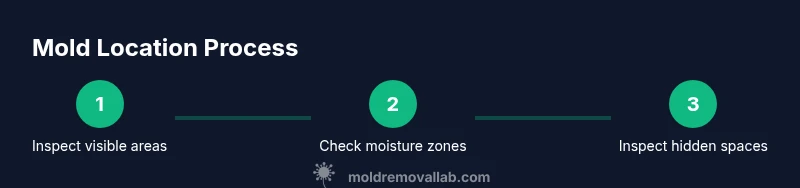
Begin with obvious areas: corners, ceilings, window frames, under sinks, and around vents. Look for staining, peeling paint, or unusual discoloration. Photograph each area from multiple angles and label the images.
Tip: Mark suspected spots with painter’s tape to keep track during the inspection. - 3
Check moisture-prone zones
Measure humidity and check for condensation on windows, pipes, and behind appliances. Note how long moisture has been present and whether stains appear recurring. Document each moisture source with a time stamp.
Tip: If humidity is consistently high, plan a follow-up check after dehumidification. - 4
Inspect hidden spaces
Gently inspect behind baseboards, under sinks, or inside closets where access is feasible. Where possible, use a borescope or inspect via small openings to avoid major demolition. Record signs of mold growth or moisture in these concealed areas.
Tip: Avoid tearing open walls unless you’re prepared for remediation or have a pro supervising. - 5
Document and map findings
Create a simple floorplan noting mold hotspots, moisture sources, and notes about odors. Attach photos to the map and summarize findings in a notebook. This will support any professional assessment.
Tip: Back up photos digitally and keep a dated log of inspections. - 6
Decide on next steps
If mold covers a large area or you’re unsure about the extent, schedule a professional assessment. For small, isolated patches with no hidden growth, you can plan careful cleaning according to safety guidelines.
Tip: When in doubt, err on the side of caution and consult a licensed remediator.
FAQ
What are the first signs of mold I should look for in a room?
First, check for musty odors, visible discoloration, and water stains on walls or ceilings. Texture changes like bubbling paint or warped materials can also indicate moisture intrusion and mold growth.
Look for musty smell, visible stains, and warped surfaces as early signs of mold growth.
Where are hidden mold hotspots in common rooms?
Hidden mold often hides behind drywall near leaks, inside wall cavities around plumbing, under cabinets, inside HVAC ducts, and in attics or crawl spaces with poor ventilation.
Common hidden spots include behind walls and under fixtures where moisture accumulates.
Should I test for mold myself or hire a professional?
For small, clearly isolated patches, do basic surface testing with caution following safety guidelines. For any uncertain, extensive, or hidden growth, hire a licensed tester or remediator to ensure accurate assessment.
Minor cases can be checked safely, but larger or hidden growth should be handled by a pro.
Is it safe to clean mold patches myself?
Small, non-porous patches can sometimes be cleaned with appropriate protective gear and cleaners. Porous materials and larger areas should generally be left to professionals due to exposure risks and potential spreading.
Small, non-porous spots may be cleaned safely with PPE; larger areas should be handled by pros.
How long does a typical mold remediation take?
Remediation duration varies with the extent of growth. Minor, localized cases may be completed in days, while larger infestations or structural repairs can take longer and require multiple visits.
Duration depends on scope—small jobs can be quick, larger ones take longer.
Watch Video
The Essentials
- Inspect common hotspots first, then hidden areas.
- Document evidence with photos and notes for remediation.
- Protect yourself with proper PPE and avoid disturbing mold unnecessarily.
- Address moisture sources to prevent future growth.