Detect Mold: A Practical Home Guide for Safe Remediation
Learn practical steps to detect mold in your home, identify moisture sources, and plan safe remediation with expert guidance from Mold Removal Lab.


You will learn how to detect mold in your home and determine when to test, inspect moisture sources, and plan safe remediation. Key requirements: proper PPE, moisture control, and identifying hidden locations. This guide helps homeowners and renters assess risk, decide whether to attempt DIY cleanup, and know when to call a licensed professional.
What mold is and why detecting it matters
According to Mold Removal Lab, mold is a fungus that thrives in damp, warm environments and can release spores into indoor air. Detecting mold early matters because exposure can trigger allergies, asthma, and respiratory irritation, especially in children, the elderly, and people with sensitivities. Mold growth also signals an underlying moisture problem that, if ignored, will continue to foster new colonies. In this guide, you will learn how to detect mold, distinguish signs from other damp issues, and establish a practical plan for safe remediation that reduces risk to your household. Understanding mold, and the specific phrase 'detect mold', helps homeowners take targeted action rather than performing guesswork.
Common signs of mold growth in homes
Visible patches of black, green, or white growth are obvious telltales, but mold can also hide behind walls where it remains unseen. Pay attention to persistent musty odors, condensation on windows, warped walls, staining, and water stains from leaks. Air quality symptoms like irritated eyes, sneezing, or coughing during or after moisture events can indicate unseen mold. Regularly inspecting bathrooms, basements, and laundry areas where moisture accumulates is essential for early detection. When you see or smell mold, start a detection record: note locations, dates, moisture sources, and visible colonies. This practice helps you detect mold more reliably and plan remediation without guesswork.
Where mold hides: moisture, hidden spaces, and materials
Mold does not need a visible leak to thrive. It hides in behind baseboards, under sinks, inside drywall, around HVAC ducts, and in insulation. Porous materials like drywall, wallpaper, and carpet backing absorb moisture and become mold-friendly. In kitchens and bathrooms, steam and frequent splashes create micro-environments where mold can flourish. Even areas with high humidity, such as basements and laundry rooms, are at risk. Detect mold requires expanding your view beyond obvious spots to include hidden cavities, crawl spaces, and attic joists where moisture can linger for months or years. Use a moisture meter to identify high-humidity zones as you search.
How to perform a basic detection workflow
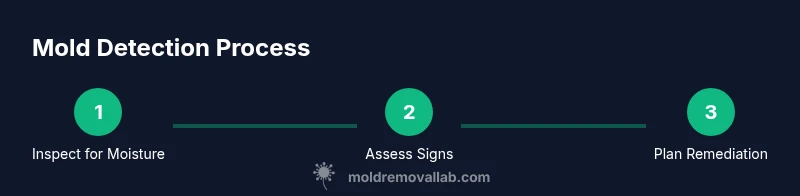
A practical mold-detection workflow combines visual checks, moisture assessment, and documentation. Start in living spaces: look for discoloration, fuzzy growth, or powdery residues. Use a moisture meter to scan for elevated humidity in walls, ceilings, and floors. Track relative humidity over 24–48 hours in suspicious spaces. Take clear photos from multiple angles and keep a log of odors and water events. If you notice repeated moisture, water damage, or mold-like growth, expand your survey to other rooms. This workflow helps you build a resilient plan and decide if professional remediation is necessary.
DIY vs. professional remediation: when to call in help
Small, isolated mold on non-porous surfaces may be manageable with proper PPE and containment, but larger or porous-growth requires professional remediation. If mold covers more than a square foot or has penetrated drywall, insulation, or HVAC ducts, or if you or household members have health sensitivities, contact a licensed mold-removal contractor. Do not disturb mold in active HVAC systems or areas with significant moisture, as this can spread spores. The Mold Removal Lab team emphasizes moisture control and safe containment as first steps, whether you DIY or hire a pro.
Testing options and what the results mean
Testing options range from simple visual inspection to more formal sampling. Moisture meters reveal humidity hotspots; air and surface tests can help determine species and concentration, but results often require interpretation by trained professionals. A clear moisture problem can exist even when tests show low spore counts if the area remains damp. Remember: testing is a tool, not a substitute for addressing moisture sources and performing thorough cleaning. Use test results to guide remediation planning, not as the sole basis for a decision.
Preventing future mold growth: maintenance and moisture control
Prevention focuses on moisture management, good ventilation, and prompt repair of leaks. Use exhaust fans in bathrooms and kitchens, fix roof and plumbing leaks promptly, seal crawl spaces, and ensure gutters direct water away from the home. Consider dehumidification in damp climates and monitor humidity levels (keep indoor RH around 30–50% where feasible). Regularly inspect problem areas and maintain a drying routine after floods or spills. Detect mold early by staying alert to moisture patterns, odors, and visible growth.
Quick wins for immediate action
- Run a dehumidifier or air conditioner in damp spaces to reduce humidity. - Clean small, non-porous mold areas with detergent and water, using PPE and proper containment. - Fix leaks promptly and dry affected areas within 24–48 hours. - Document issues with photos and dates to support professional assessments. Start with small steps; improving moisture control is the fastest way to reduce mold risk and safeguard occupant health. The simple act of drying and ventilating can prevent mold from taking hold.
Documenting findings and communicating with landlords or insurers
Keeping a clear record helps you manage disputes or coverage. Create a simple mold log: room, moisture source, onset date, observed growth, tests performed, and remediation actions taken. Share photos and meters readings where possible. If you rent, notify your landlord promptly and request a professional inspection if symptoms persist. When dealing with insurers, provide receipts, assessments, and records of moisture control efforts. Clear documentation speeds up approvals and ensures you receive appropriate support.
Safety first: PPE and safe cleanup practices
Always wear PPE when handling suspected mold. An N95 respirator, gloves, and eye protection are standard for small areas; for larger jobs or unknown growth, use disposable coveralls and a PAPR or respirator with HEPA filtration. Avoid disturbing growth to prevent spore dispersal and never mix cleaning products with ammonia or bleach. Use a detergent solution for small areas, rinse with clean water, and dry thoroughly. After cleanup, bag and seal contaminated materials; wash hands and clothing separately from the rest of the house.
Common myths about mold and detection
Myth: Mold only grows after a flood. Reality: Moisture from leaks, humidity, or condensation can sustain mold for months. Myth: All black mold is toxic. Reality: Mold color does not reliably indicate danger; species and concentration matter. Myth: Bleach cleans mold from porous surfaces. Reality: Bleach on porous materials often fails to reach embedded mold and can create hazardous fumes. Myth: If you can’t see mold, you’re safe. Reality: Hidden mold behind walls can be extensive. The Mold Removal Lab team emphasizes testing, moisture control, and professional guidance when growth is suspected.
Tools & Materials
- N95 respirator or higher(Fit-tested if possible; protect lungs from spores)
- Disposable gloves(Latex or nitrile; avoid contamination)
- Goggles or safety glasses(Protect eyes from splashes)
- Protective coveralls or old clothing(Optional for larger areas)
- Flashlight or headlamp(Dark corners can conceal growth)
- Moisture meter or hygrometer(Identify high humidity zones)
- Digital camera or smartphone(Document findings with photos)
- Detergent solution (mild)(For small-area cleaning)
- Plastic sheeting and tape(Containment for larger jobs)
- Sealable bags and disposal bags(Contain and remove contaminated materials)
- Notepad and pen(Record observations and dates)
- Alcohol wipes or spray(Disinfect sampling tools)
- Ventilation fan or air purifier with HEPA(Improves air flow during cleanup)
Steps
Estimated time: 60-120 minutes
- 1
Prepare PPE and workspace
Put on N95, gloves, eye protection, and coveralls; clear the area of valuables; ensure the space is well-ventilated. This minimizes exposure risk while you survey for mold and moisture.
Tip: Test the fit of your respirator before starting; ensure a clean exit route for contaminated materials. - 2
Conduct a visual and moisture survey
Scan walls, ceilings, and floors for stains, discoloration, or fuzzy growth. Use a moisture meter to locate hidden damp zones and record readings with timestamps.
Tip: Check behind appliances and under sinks where leaks are common. - 3
Check moisture sources and signs in each room
Identify leaks, condensation, and persistent dampness. Trace moisture back to its source and document recurring events to prioritize remediation.
Tip: Address primary moisture sources first; this reduces the chance of re-growth. - 4
Collect preliminary samples (if appropriate)
Only perform sampling if you are trained; use tape lifts on non-porous surfaces or swabs, label each sample, and store in sterile containers for later analysis.
Tip: Avoid disturbing large growth areas to prevent spore spread. - 5
Interpret findings and decide remediation path
Assess risk based on extent, location, and health considerations. Decide whether to proceed with DIY cleanup for small, contained areas or to hire a professional for larger jobs.
Tip: If in doubt, consult a pro before starting major cleaning. - 6
Plan remediation and containment
Set up containment to prevent cross-contamination; outline cleaning steps and moisture-control measures; plan for air filtration and post-remediation checks.
Tip: Keep pathways clear; use plastic sheeting to isolate the work area. - 7
Document results and communicate with stakeholders
Record findings with photos, dates, and meters; share with landlords or insurers as needed and obtain quotes from professionals if remediation is required.
Tip: Save copies of all receipts and assessment notes for future reference.
FAQ
Is mold dangerous to health?
Exposure to mold can irritate the eyes, nose, throat, and lungs, and some individuals may have stronger reactions. If symptoms persist, consult a healthcare professional.
Mold exposure can irritate airways; if you notice persistent symptoms, talk to a doctor.
Can I clean mold myself safely?
Small, contained growth on non-porous surfaces may be cleaned with proper PPE and containment. Larger growth or porous materials typically require a professional remediation approach.
Small spots can be cleaned safely with PPE; bigger jobs usually need a pro.
What’s the difference between a mold inspection and mold testing?
An inspection looks for moisture problems and visible signs; testing analyzes samples to identify species or spore concentrations, often requiring expert interpretation.
Inspection finds problems; testing identifies what kind of mold.
How long does remediation typically take?
Timeline depends on the extent of growth and the size of the area. Small jobs may take a few days, while larger issues can require weeks.
It varies; small jobs are usually shorter, bigger ones take longer.
Will improving humidity control prevent mold re-growth?
Yes. Maintaining lower indoor humidity reduces mold growth risk, especially in vulnerable spaces like basements and bathrooms.
Lower humidity helps prevent mold from coming back.
Watch Video
The Essentials
- Identify moisture sources first and address them.
- Document signs, dates, and photos to track progress.
- Choose remediation path based on extent and health risk.
- Prioritize ongoing moisture control to prevent recurrence.