When Mold Appears: Practical Remediation Guide
Learn how to identify, assess, and safely address mold when it appears in your home. Quick actions, remediation options, and prevention tips from Mold Removal Lab.


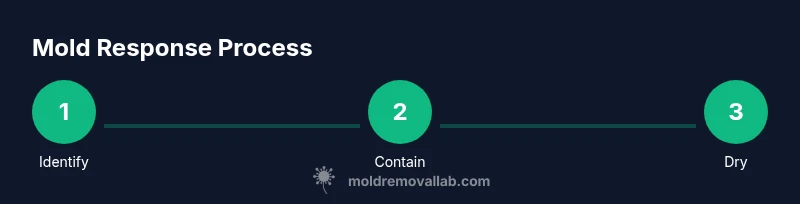
When mold appears, your first goal is to stop spread, identify moisture sources, and protect yourself. Contain the area, wear PPE, and start with small cleanups if the growth is limited. If growth covers more than a few square feet or you have health concerns, contact a licensed professional. This guide covers safety, containment, moisture control, cleaning methods, and when to escalate.
What it means when mold appears
Mold appears in response to persistent moisture and a food source—think damp walls, leaky pipes, or high humidity. When mold appears, it is a signal that your indoor environment has a moisture imbalance that needs attention. Not all mold spores cause disease, but certain species can trigger allergies, respiratory irritation, or worsened asthma, especially for sensitive individuals. The Mold Removal Lab team emphasizes that early detection and a controlled response reduce long-term damage and health risks. Signs include visible colonies, musty odors, and discoloration on walls, ceilings, or hidden areas like under sinks and in basements. In most homes, addressing moisture first and reducing humidity is the foundation of successful remediation. Remember, safety matters: wear protective gear and ventilate the area while you assess the situation.
What it means when mold appears
Mold appears in response to persistent moisture and a food source—think damp walls, leaky pipes, or high humidity. When mold appears, it is a signal that your indoor environment has a moisture imbalance that needs attention. Not all mold spores cause disease, but certain species can trigger allergies, respiratory irritation, or worsened asthma, especially for sensitive individuals. The Mold Removal Lab team emphasizes that early detection and a controlled response reduce long-term damage and health risks. Signs include visible colonies, musty odors, and discoloration on walls, ceilings, or hidden areas like under sinks and in basements. In most homes, addressing moisture first and reducing humidity is the foundation of successful remediation. Remember, safety matters: wear protective gear and ventilate the area while you assess the situation.
Health considerations and who is at risk
Exposure to mold can affect people differently. Some experience nasal congestion, coughing, or throat irritation, while others may develop wheezing or skin reactions. Individuals with asthma, allergies, compromised immunity, or chronic lung conditions are more susceptible to adverse effects. Pregnant people and small children may also be more sensitive. If you notice headaches, persistent coughing, or worsened asthma after exposure, limit further contact and seek medical guidance. For most healthy adults, minimizing exposure and addressing moisture can reduce symptoms, but ongoing growth warrants professional assessment, especially if mold recurs after cleaning.
Immediate safety steps you can take
Before touching any mold, put on an N95 respirator, gloves, and eye protection. Ventilate the area if possible, but avoid cross-contamination to other rooms by sealing doors with plastic sheeting. Do not mix cleaning agents; start with soap and water for small, nonporous surfaces, and discard contaminated materials in sealed bags. If the growth is extensive or you have health concerns, stop and contact a licensed professional promptly. The goal is containment, reducing moisture, and preventing spores from becoming airborne.
DIY cleaning vs professional remediation: what to know
Small, isolated patches on nonporous surfaces (like glass or metal) can sometimes be cleaned safely with soap, water, and a scrub brush. Porous materials (drywall, insulation, wood) that have absorbed moisture are often not salvageable and may require removal and disposal. For larger areas (generally more than 10 square feet) or mold growth in HVAC systems, professional remediation is recommended. Professionals have specialized containment methods, air filtration, and the tools to address hidden moisture sources, preventing recontamination. Mold Removal Lab advises that you document growth, track moisture sources, and plan for a thorough drying phase to prevent regrowth.
Short- and long-term prevention strategies
Containment and rapid moisture control are keys to preventing mold recurrence. Improve ventilation, fix leaks promptly, and maintain indoor humidity between 30% and 50% where feasible. Regular inspections in bathrooms, kitchens, basements, and crawl spaces help catch problems early. Use exhaust fans, dehumidifiers in damp rooms, and mold-resistant paints on susceptible surfaces. A proactive maintenance routine reduces the chance that mold will reappear after remediation.
Authoritative sources and why we trust them
For further guidance, consult established health and environmental sources that discuss mold, moisture, and safe remediation practices. Authoritative information helps homeowners navigate fixes with confidence.
- https://www.cdc.gov/mold/dampness_m.html
- https://www.epa.gov/mold
- https://www.osha.gov/mold
Tools & Materials
- N95 respirator or higher(Fit-tested if possible; replace if damaged)
- Protective gloves(Nitrile recommended; avoid latex if allergy)
- Goggles or face shield(Splash protection during cleaning)
- Disposable coveralls or long sleeves(Optional for larger jobs to limit contamination)
- Soap or mild detergent(Use on nonporous surfaces first)
- White vinegar or baking soda (optional)(Mests alternative cleaning aids)
- Spray bottle, microfiber cloths, scrub brush(Keep tools dedicated to mold work)
- Plastic sheeting and tape(To contain the work area)
- Trash bags rated for heavy use(Seal and remove contaminated materials)
- Dehumidifier or fans(Aid drying after cleanup)
- Moisture meter (optional)(Helps verify drying progress)
- Lamp or flashlight(Better visibility in dim areas)
Steps
Estimated time: 6-12 hours
- 1
Assess the scope
Inspect the affected area to determine extent. Note whether mold growth is visible in hidden spaces or only on surfaces. Document with photos for reference and to plan containment.
Tip: Start in a single room to avoid cross-contamination. - 2
Contain the area
Close doors and seal off the space with plastic sheeting. Protect adjacent rooms from airborne spores by creating a negative or at least reduced pressure around the work zone.
Tip: Keep the containment simple for small jobs. - 3
Protect yourself
Put on the PPE before you touch any moldy material. Ensure a proper seal on the respirator and avoid touching face while cleaning.
Tip: Check PPE fit before starting. - 4
Address moisture sources
Repair leaks or damp conditions in or around the affected area. Without controlling moisture, mold is likely to return.
Tip: Fix leaks promptly to prevent recurrence. - 5
Clean nonporous surfaces
For metal, glass, and plastic surfaces, scrub with soap and water. Dry thoroughly to inhibit regrowth.
Tip: Rinse and dry completely; moisture is your enemy. - 6
Assess porous materials
Porous materials like drywall or insulation that have soaked moisture typically must be removed and disposed of to stop regrowth.
Tip: Do not attempt to salvage saturated porous materials. - 7
Dry the area
Use dehumidifiers and fans to reduce humidity and dry the area completely. This helps prevent re-mold growth after cleanup.
Tip: Aim for humidity below 50%. - 8
Decide on further action
If the growth covers more than 10 square feet or recurs after cleaning, call a licensed mold remediation professional.
Tip: Professional remediation may be required for HVAC systems.
FAQ
What counts as mold appearance in a home?
Visible growth, musty odor, or damp signs indicate mold presence. Treat any suspected growth seriously and assess moisture sources.
Visible growth or a musty smell means mold is present. Address moisture and consider professional help for larger areas.
Is all mold dangerous to health?
Many molds are harmless in small amounts, but some species can trigger allergies or asthma. If you have health concerns, limit exposure and seek guidance.
Some molds can affect health, especially for sensitive individuals. Limit exposure and seek advice if symptoms occur.
Can I clean mold myself, or should I hire a pro?
Small areas on nonporous surfaces can be cleaned safely with soap and water. Larger or porous areas, or growth behind walls, usually require professionals.
You can clean small nonporous patches yourself. For larger or porous areas, call a professional.
When is professional remediation necessary?
If mold covers more than 10 square feet, affects HVAC, or recurs after cleaning, professional remediation is recommended.
Call a pro if it’s a large area or keeps coming back.
How long does remediation typically take?
Time depends on extent; small jobs may finish in a day, while larger ones can take several days. A professional assessment can provide a timeline.
It varies; small jobs can be done in a day, bigger ones longer.
Watch Video
The Essentials
- Identify moisture sources first to stop mold growth.
- Contain and protect the work area to prevent spread.
- Differentiate between DIY cleanup and professional remediation.
- Dry thoroughly to prevent regrowth, then monitor humidity.
- Refer to authoritative sources for safety guidelines.