What Type of Mask Do You Need for Mold: A Practical Guide
Discover the correct mask options for mold exposure, from N95 to P100 respirators. Learn fit tips, how exposure levels affect protection, and how to safely clean and protect your home.


Definition: When facing mold, the right mask is a properly fitted respirator. For routine cleaning in small areas, a NIOSH-approved N95 can reduce inhalation risk. For higher exposure or visible mold growth, upgrade to a P100 or a half/full-face respirator with appropriate organic vapor cartridges for stronger protection.
What Type of Mask Do You Need for Mold
What type of mask do you need for mold is a common question homeowners ask during cleanup. The short answer is that protection depends on exposure level, area size, and the type of mold present. What counts as a small, low-risk cleanup in a single bathroom differs greatly from a damp basement with decades of moisture damage. According to Mold Removal Lab, choosing the right respirator is essential to reduce inhalation of mold spores and related irritants. In most residential scenarios, starting with a properly fitted respirator can dramatically lower risk, but you must match the mask to the work and to your own comfort. Below, we walk through practical decisions, plus fitting and usage tips to help you stay safe as you remediate mold growth in your home.
Why Exposure Level Matters
Exposure level drives the mask choice. Low-level exposure in a contained area with limited growth may be managed with a basic respirator. Higher exposure, porous materials with visible growth, or large contaminated zones require stronger protection. Mold can release a mix of spores and fragments that irritate the eyes, nose, and lungs, and some species may pose more significant health risks. The Mold Removal Lab team emphasizes that extended exposure or heavy contamination warrants higher filtration efficiency and a secure face seal. Always err on the side of stronger protection if you’re unsure about the level of contamination.
How to Assess Your Situation
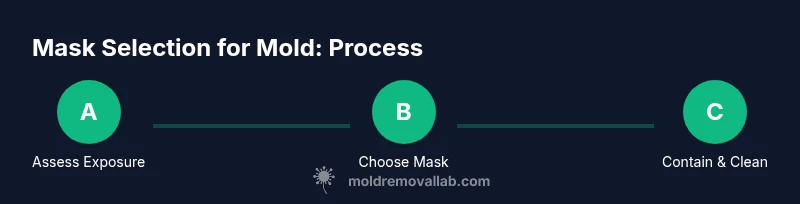
Start by surveying the space: is the mold confined to a small patch, or is it widespread across walls, ceilings, or insulation? Is the humidity high, and are there odor clues like a musty smell? If you have allergies, asthma, or a compromised immune system, you should assume higher risk and use stronger protection. A practical approach is to treat any visible growth as a contamination zone and plan for protective gear, containment, and careful cleanup. Mold Removal Lab notes that even small areas can release spores into the air during disruption, so proceed with caution.
Respirator Options at a Glance
There are several respirator categories commonly used for mold work: disposable N95s for light tasks, elastomeric half-face or full-face respirators with P100 filters for higher protection, and specialized cartridges for organic vapors. NIOSH classifications provide a helpful guide: N95s filter at least 95% of airborne particles, while P100 filters reach 99.97% efficiency and are preferred for mold remediation. In spaces with strong odors or solvents, consider organic vapor cartridges in combination with particulate filters. Always ensure a proper fit and seal to achieve the stated protection level.
Practical Takeaway
When you ask what type of mask do you need for mold, start with the exposure level, use a respirator with the right filter, and ensure a snug seal. If in doubt, choose a higher protection level and upgrade to a half-face or full-face respirator with P100 filters. The Mold Removal Lab team reminds homeowners that proper PPE is a first line of defense in mold remediation, not a substitute for addressing moisture and humidity.
Quick Fit Check Before You Start
Always perform a fit check when you don a new respirator. Put on the mask, cover the filter ports with your hands, and inhale. If you feel air leaks around the seal, readjust the straps and mask position until the breathing is slightly negative and the face feels snug. A good fit is more important than the mask type alone, because gaps can let spores bypass filtration.
Safety First: Don’t Skip Containment
Even the best mask won’t protect you from airborne spores if you’re disturbing mold without containment. Use plastic sheeting to isolate the work area, seal door gaps, and minimize air exchange with the rest of the home. If possible, work under negative pressure and use a HEPA exhaust to capture spores that become airborne during cleaning.
Brand Insight: What Homeowners Should Do Next
For homeowners, the safest approach is to start with a high-quality respirator and rigorous containment, then address moisture sources that fueled the mold. The Mold Removal Lab team recommends selecting gear that fits well, is rated for mold, and is comfortable for longer tasks. If you encounter extensive contamination or you have health concerns, consult a professional remediation service.
Conclusion of This Section
By understanding what type of mask you need for mold and combining it with proper containment and moisture control, you can reduce exposure and protect your family. Always choose the highest practical protection, ensure a good seal, and follow up with moisture management to prevent future mold growth.
Tools & Materials
- NIOSH-approved respirator (N95 or P100)(P100 or elastomeric half-face/full-face recommended for higher exposure; ensure proper fit testing)
- Organic vapor cartridges (if using full-face or combination cartridges)(Use with appropriate particulate filters when odors/solvents are present)
- Goggles or safety glasses(Eye protection is essential to prevent exposure from any splashes or airborne spores)
- Disposable coveralls or long sleeves/pants(Protect skin from spores and contamination; choose breathable fabric)
- Nitrile gloves(Double-gloving is optional but can help with disposal; avoid latex if sensitive)
- Sealant tape and plastic sheeting(Create containment around the work area to minimize cross-contamination)
- HEPA vacuum cleaner with sealed system(Use for clean-up in combination with wet methods to avoid aerosolization)
- Trash bags (double-bag if contaminated material)(Sealed disposal to prevent spread when removing contaminated materials)
Steps
Estimated time: 60-90 minutes
- 1
Assess the area
Survey the space to determine the extent of mold growth and moisture sources. Identify materials that are severely damaged and may require removal. This helps tailor PPE choices and containment needs.
Tip: Document affected areas with photos to guide the remediation plan. - 2
Choose the right respirator
Select a respirator based on exposure level. For light tasks, an N95 may suffice; for larger areas or visible growth, a P100 or full-face respirator is preferable. Ensure the mask is rated for mold and fits your face.
Tip: Always perform a fit test before starting work. - 3
Don PPE correctly
Put on the respirator, seal, goggles, and protective clothing. Verify the seal and comfort before you begin. Avoid touching the mask’s filter area while putting it on.
Tip: Keep long hair away from the face to maintain a seal. - 4
Set up containment
Seal doors with plastic sheeting and use a HEPA-filtered exhaust to create negative pressure. This reduces the spread of spores during cleanup.
Tip: Use a damp cleaning method to minimize airborne particles when possible. - 5
Clean and remove mold safely
Wipe or scrub non-porous surfaces with an appropriate cleaner. For porous materials heavily contaminated, consider removal and sealed disposal. Never blast with dry air.
Tip: Dispose of contaminated materials in sealed bags as soon as possible. - 6
Decontaminate PPE and area
After work, remove PPE carefully to avoid self-contamination, then clean and launder reusable gear. Vacuum the area with a HEPA vacuum and re-seal the containment zone for final checks.
Tip: Never reuse disposable PPE; replace with new gear for future work. - 7
Moisture control
Address the moisture source—leaks, condensation, humidity. Use dehumidifiers and fix plumbing as needed to prevent recurrence of mold.
Tip: Aim for indoor humidity below 50% to inhibit mold growth. - 8
Final assessment
Inspect the cleaned area for residual mold or odors. If signs persist, re-check containment and consider professional testing or remediation.
Tip: If symptoms persist (cough, wheeze, eye irritation), pause work and consult a professional.
FAQ
What is the best mask for mold exposure?
For light, contained tasks, a NIOSH-approved N95 may be sufficient. For larger areas or visible growth, use a P100 or a full-face respirator with appropriate filters to maximize protection. Always ensure a good seal.
For light work, an N95 can be enough, but for bigger mold exposure, go with a P100 or full-face respirator to get better protection. Make sure the mask fits tightly.
Can I reuse a disposable mold mask after cleaning?
Disposable masks are designed for single-use. Reusing them can reduce effectiveness and increase exposure risk. If used extensively, replace with a new one and consider upgrading to a reusable respirator.
Disposable masks are meant to be single-use. If you've used them in mold-heavy work, replace them and consider a reusable respirator for ongoing needs.
Do I need a full-face respirator for mold cleanup?
A full-face respirator provides eye protection and better seal, which may be beneficial in porous, high-exposure scenarios. For small, contained jobs, a well-fitting half-face with P100 filters can also be effective.
A full-face respirator helps protect eyes and lungs in heavy contamination, but a good half-face with P100 filters can work for smaller jobs.
How do I test a respirator's fit?
Perform a user seal check each time you don the mask. Listen for air leaks and adjust the straps and nosepiece until you can inhale and feel the mask pull slightly toward your face.
Do a seal check every time you wear it. If you feel gaps, adjust the straps until you can't pull air in around the seal.
What safety steps should accompany mask use?
Contain the work area, use HEPA filtration, and minimize air movement that can spread spores. Moisture control is critical to prevent future mold growth.
Contain the area with plastic, use HEPA filtration, and keep humidity low to stop mold from returning.
Watch Video
The Essentials
- Choose respirators by exposure level and fit properly.
- Containment reduces airborne mold during cleanup.
- Moisture control is essential to prevent recurrence.
- Wear full PPE and dispose of contaminated materials safely.
- When in doubt, seek professional remediation.