Mold Exposure Treatments: A Practical Home Guide
A comprehensive, homeowner-friendly guide to mold exposure treatments, covering immediate steps, moisture control, cleaning strategies, air quality, and prevention to keep your family safe.


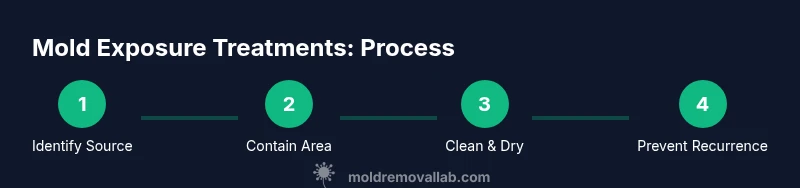
To reduce mold exposure at home, locate and contain the mold source, minimize your contact with it using PPE, and implement a moisture-control remediation plan. Essential steps include isolating the area, wearing protective gear, and deciding whether you can safely clean small areas or need professional remediation for larger zones. Always monitor for ongoing moisture and recheck after remediation.
Understanding Mold Exposure Treatments
Mold exposure treatments focus on reducing the amount of mold spores people breathe in and limiting the conditions that allow mold to grow in the first place. For homeowners and renters, the core principles are source removal, moisture control, and improving indoor air quality. The health risks associated with mold exposure vary by individual, but persistent exposure can irritate eyes, skin, and the respiratory system, especially for children, older adults, and people with allergies or asthma. The Mold Removal Lab Team emphasizes that effective treatment starts with a clear plan that addresses both immediate hazards and the underlying moisture problem. In practice, this means (a) locating all mold growth, (b) containing the area to stop spread, and (c) choosing an appropriate cleanup strategy based on the materials affected and the size of the contamination. Treatments may involve cleaning and disinfection for non-porous surfaces, removal and disposal of porous materials, and structural drying to restore normal humidity levels. If growth covers a large area, or if there is hidden moisture behind walls, professionals should be consulted. While DIY cleanup is possible for small, isolated spots, larger problems require careful planning and professional oversight to ensure safety and effectiveness.
According to Mold Removal Lab, addressing moisture and proper containment are pivotal, and the team advocates clear documentation of conditions before any cleanup begins. This approach helps homeowners and renters track progress and avoid re-exposure after remediation. The goal is not only to remove visible growth but to reduce future risk by preventing recurrence through ongoing moisture control and air-quality improvements.
Immediate steps you can take today
Start with quick containment and personal protection. Seal the area with plastic sheeting, close doors, and use tape to create a temporary barrier so spores don’t spread. Put on an N95 respirator, nitrile gloves, eye protection, and a disposable suit if available. Ventilate the space with fans placed to exhaust air to the outside, not into other rooms. Do not disturb mold growth more than necessary, as this can release spores into the air. For cleaning, use a mild detergent solution on nonporous surfaces and avoid mixing cleaners that can release toxic fumes. After cleanup, dry the area thoroughly using dehumidifiers and fans aimed at the damp zones. Finally, monitor for a return of moisture and mold activity over the next few days to weeks.
Assessing the scope: DIY vs professional remediation
Not all mold problems require professional remediation, but larger growth, contamination of porous materials, or growth behind walls typically warrants expert help. DIY cleanup is generally appropriate for small, well-contained areas (for example, a single wall spot no larger than a few square feet) with nonporous materials and solid containment. For larger areas, or if you have health concerns (asthma, allergies, or immune compromise), contact a licensed remediator. The decision should consider safety, the extent of mold, and the potential for hidden moisture behind surfaces. Proper assessment includes identifying moisture sources, documenting the extent of growth, and confirming that the space can be dried to safe humidity levels after cleanup.
Controlling moisture: the root cause
Mold growth thrives where moisture persists. The top priority in mold exposure treatments is eliminating that moisture source. Fix leaks promptly, repair roof or plumbing issues, and improve drainage away from the building. Use a hygrometer or moisture meter to identify damp zones and set a target relative humidity under 50% in living areas. Deploy dehumidifiers in damp rooms and ensure good ventilation in kitchens, bathrooms, and laundry areas. Regularly inspect areas prone to condensation, such as basements and crawl spaces, and address any moisture intrusion quickly. By controlling humidity, you reduce the likelihood of regrowth and shorten the remediation timeline.
Cleaning and disinfection strategies
Cleaning choices depend on surface type. Nonporous surfaces (glass, metal, sealed wood) can be cleaned with a mild detergent solution and wiped dry. For disinfecting, use products appropriate for mold cleanup on nonporous materials; avoid mixing cleaners that can create hazardous fumes. Porous materials (drywall, insulation, carpet) with visible growth are typically removed and discarded to prevent regrowth. After cleaning, sanitize surfaces lightly and recheck for odor or staining. Always wear PPE and follow product label directions. If growth reappears after cleaning, consider professional remediation to address hidden moisture and substrate damage.
Air quality and indoor environment improvements
Even after visible mold is removed, air quality matters. Use HEPA-filtered vacuums for cleanup and consider portable air purifiers with true HEPA filters in affected rooms. Improve ventilation where possible, especially during and after remediation. Maintain indoor humidity below 50% with dehumidification and ensure bathrooms, kitchens, and laundry rooms vent outdoors. Regularly clean air filters and inspect HVAC systems for mold growth. These steps reduce spore circulation and help keep the space healthier for occupants.
Protecting vulnerable occupants during remediation
If children, older adults, or individuals with asthma or allergies live in the home, take extra precautions during remediation. Limit exposure by avoiding the cleanup area when possible, using enclosed containment, and maintaining negative airflow where appropriate. Use sealed bags and proper disposal methods for contaminated materials. Ensure that pets are kept away from the work zone. Communicate a remediation plan with household members and establish a post-remediation clearance date.
Aftercare: preventing recurrence and monitoring
Remediation is not the end of mold control. After cleanup, implement a prevention plan that includes ongoing moisture management, regular inspections for leaks or condensation, and prompt action when humidity rises. Maintain clean surfaces, repair gaps in envelopes (windows, doors), and address any visible mold promptly to avoid regrowth. Consider periodic professional inspections if mold was extensive or if environmental conditions (humidity, temperature) are challenging to control. Keeping moisture under control is the most reliable mold exposure treatment over time.
Tools & Materials
- N95 respirator mask(NIOSH-approved or equivalent)
- Protective gloves(Nitrile recommended)
- Safety goggles or face shield(Protect eyes from splashes and spores)
- Coveralls or long-sleeve clothing(Disposable preferred)
- Plastic sheeting (6–8 mil)(Create containment barriers)
- Duct or painter's tape(Seal containment and cover seams)
- HEPA vacuum cleaner(HEPA-filtered for debris and spores)
- Mild detergent and water(Surface cleaning solution)
- Hydrogen peroxide or approved mold cleaner(Disinfection on nonporous surfaces)
- Dehumidifier or access to drying equipment(Reduce humidity to <50%)
- Plastic waste bags(Seal and dispose contaminated materials)
- Moisture meter or hygrometer(Optional for ongoing monitoring)
Steps
Estimated time: Estimated total time: 3-6 hours
- 1
Identify the mold source and scope
Survey visible growth, check damp areas, and document with photos. Understanding the extent helps you plan containment and cleanup without spreading spores to other rooms.
Tip: Take clear photos before you disturb anything to have a baseline. - 2
Contain the work area
Seal off the affected zone with plastic sheeting and tape. Close doors and seal any vents to prevent cross-contamination during cleanup.
Tip: Create negative air flow if possible to keep spores from migrating. - 3
Don protective gear
Put on an N95 mask, gloves, eye protection, and disposable coveralls. Proper PPE reduces exposure risk during cleanup.
Tip: Ensure a snug fit on the mask and replace gloves if contaminated. - 4
Remove damaged porous materials
Carefully take out drywall, insulation, or carpet with mold growth and dispose of in sealed bags. Avoid breaking up growth further.
Tip: Double-bag waste and avoid compressing materials to minimize spore release. - 5
Clean salvageable surfaces
Clean nonporous surfaces with a mild detergent. Follow up with an approved disinfectant suitable for the material.
Tip: Use separate tools for cleaning to prevent cross-contamination. - 6
Dry the area thoroughly
Run dehumidifiers and fans directed at the affected zone to reduce moisture. Drying usually takes 24–72 hours depending on conditions.
Tip: Check humidity levels and ensure no damp spots remain. - 7
Address moisture sources
Repair leaks, improve drainage, and seal gaps to prevent recurrence. Moisture control is essential for long-term success.
Tip: Fix problems at the source rather than just cleaning the signs. - 8
Plan for clearance and monitoring
After drying, re-evaluate for any remaining mold activity and document conditions. Schedule follow-up checks to ensure the area remains dry.
Tip: Keep records of inspections and remediation steps for future reference.
FAQ
What are the signs that mold exposure is affecting my health?
Common signs include itchy eyes, coughing, congestion, and wheezing, especially in damp environments. Seek medical advice if symptoms persist or worsen, and inform your healthcare provider about potential mold exposure.
Watch for coughing, nasal symptoms, and eye irritation, especially after spending time in damp spaces. If symptoms persist, contact a clinician.
When should I contact a professional remediator?
Contact a professional if mold covers a large area, includes porous materials, or is present behind walls. If you have health concerns or suspect hidden moisture, a licensed remediator is advised.
Call a professional if the growth is large or behind walls, or if health symptoms are present.
Is bleach effective for mold cleanup?
Bleach can kill mold on nonporous surfaces but may not reach subsurface growth in porous materials. Use products appropriate for the surface and follow label directions; for porous materials, removal is often necessary.
Bleach isn’t always the fix—porous materials may need removal and safer cleaners. Follow product guidelines.
Can I prevent mold growth after treatment?
Yes. Address moisture sources, maintain humidity below 50%, and perform regular inspections. Promptly fix leaks and ventilate damp areas to cut down on mold regrowth.
Keep moisture under control and inspect regularly to prevent return.
How long does mold exposure treatment take?
Duration varies with the area size and moisture severity. Small, contained spots may be cleaned in a few hours, while larger or more complex jobs may take days with professional involvement.
It depends on the size and moisture; small jobs are shorter, larger ones longer.
Are there risks for children and pets during remediation?
Yes. Limit exposure by restricting access to the cleanup area and ensuring good ventilation. Keep children and pets away from contaminated zones until containment and cleanup are complete.
Keep kids and pets away from the work zone until cleanup is done.
Watch Video
The Essentials
- Identify moisture sources before cleanup.
- Use proper PPE and containment for safety.
- DIY for small, contained areas; hire pros for large or complex jobs.
- Maintain moisture control to prevent recurrence.