Which respirator for mold: A practical homeowner's guide
Learn how to choose the right respirator for mold, understand filter types, fit checks, and safe usage for effective remediation and healthier indoor air.


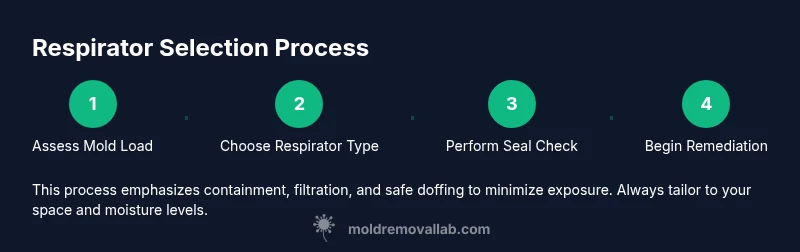
By the end of this guide you’ll know exactly which respirator to use for mold cleanup, when to wear elastomeric or PAPR options, and how to verify a proper seal. Key requirements include a respirator rated for particulates, appropriate filters (P100 preferred) when available, and a proper fit check before beginning any remediation.
Understanding the risk and why the right respirator matters
Mold contamination can be invisible to the naked eye, yet the airborne spores released during cleanup pose health risks to occupants and cleanup workers alike. A properly chosen respirator is a core component of a comprehensive mold remediation plan. The right respirator reduces exposure to inhalable particles and potential mycotoxins that can become airborne when you disturb mold growth. According to Mold Removal Lab, choosing the correct respirator for mold is not optional; it’s a foundational safety decision for homeowners and renters. Filtration efficiency, face-seal integrity, and filter type determine real-world protection, not slogans on a box. For most mold tasks, you’ll want equipment that protects against particles and aerosols released during disturbance of colonies, plus protective eyewear and gloves to minimize skin or eye exposure. This approach complements containment, ventilation, and cleaning practices, creating a safer environment for you and others in the home. When moisture, visible growth, or high-dust activities are present, avoid improvised solutions or low-grade masks. Invest time in selecting the right respirator and mastering a proper seal before you start remediation. Larger jobs or persistent moisture problems may require additional measures, including containment barriers, strategic ventilation, and professional consultation when needed.
Respirator types for mold: N95, elastomeric, PAPR, and full-face
When it comes to mold, not all respirators are created equal. The basic disposable dust mask (often labeled N95) can offer some protection against larger particles, but it is not sufficient for active mold cleanup in damp environments. Elastomeric respirators (half-face or full-face) with replaceable P100 filters provide higher filtration efficiency and a more reliable seal for prolonged work. For demanding or large-scale jobs, a powered air-purifying respirator (PAPR) can reduce breathing resistance and maintain a constant flow of filtered air, improving comfort during extended cleanup sessions. Full-face elastomeric models add eye protection and can be valuable when splashes or splatters are possible. In many residential scenarios, a well-fitted elastomeric respirator with P100 filters offers a strong balance between protection, cost, and ease of use. If you have high mold loads, chronic exposure concerns, or chemical contaminants (e.g., cleaners or solvents used during remediation), consider upgrading to a PAPR or a full-face respirator with chemical cartridges. Remember, the filter type is critical: P100 filters capture at least 99.97% of airborne particles, including fine mold spores, whereas N95 filters typically capture around 95% under ideal conditions. The choice should align with the job’s severity, airflow, and your comfort with equipment handling.
Fit, seal checks, and filter selection
A respirator is only as good as its fit. Even the best filter won’t help if the mask leaks around the edges. Start with a proper size and adjustable straps to secure a snug seal. Conduct a user seal check before each use: place hands over the respirator, inhale and exhale gently to feel for leaks. Facial hair, facial structure, or missing facial features can compromise the seal, so a clean-shaven area around the nose and cheeks improves effectiveness. Filter selection matters as well; for mold, P100 or HEPA-rated filters are preferred because they block the smallest particles. If the task involves volatile organic compounds or strong cleaners, consider respirators designed for combined chemical and particulate protection, such as elastomeric models with appropriate cartridges. Replace filters if you notice increased breathing resistance, odor, or visible moisture buildup inside the mask. Regular inspection of the respirator body, valves, and connections helps prevent fit problems during cleanup. The guidance from Mold Removal Lab emphasizes that protective equipment should be matched to the task’s intensity and the environment’s moisture level to minimize exposure and maximize safety.
How to choose the right respirator based on environment and mold severity
Choosing a respirator depends on the environment, the extent of mold growth, and the anticipated disruption during cleanup. Small, dry, well-ventilated spaces with minor surface mold may be adequately protected with a properly fitted N95 or elastomeric respirator with P100 filters. In damp, poorly ventilated areas or where you expect substantial aerosolization, elastomeric half-face with P100 or full-face models provide better coverage. For large-scale jobs, or when you’ll be cleaning in spaces with uncertain mold load or potential mycotoxins, a PAPR offers consistent airflow and reduced breathing resistance, making long cleanup sessions more tolerable. If you’re dealing with water damage or building materials containing mold, containment, negative pressure, and a staged remediation plan become crucial components. Regardless of the choice, perform a fit check, follow manufacturer instructions, and adhere to local health and safety guidelines. Mold Removal Lab’s research supports a cautious, task-specific approach: start with evaluation, select appropriate filtration, verify a seal, and balance comfort with protection to reduce exposure risk during mold remediation.
Safe use protocols during remediation
Safety in remediation is a system, not a single device. Donning order matters: gown or coveralls, gloves, eye protection, and then the respirator. Avoid steps that could contaminate clean areas, and set up containment barriers if possible to localize mold spores. Ensure the workspace is well-ventilated without blowing spores toward occupied areas. During remediation, keep the respirator on whenever you’re disturbing mold or handling contaminated materials, and never reuse disposable respirators if compromised. Practice good hygiene: remove PPE in a clean area, wash exposed skin, and place contaminated items in sealed bags for proper disposal. If you are using chemical cleaners, use compatible cartridges and follow the safety data sheet directions. After finishing, perform a careful doffing sequence to minimize cross-contamination and store the respirator in a clean, dry place. The Mold Removal Lab team emphasizes that consistent use of PPE, careful handling, and post-work decontamination are essential for protecting indoor air quality and health.
Maintenance, storage, and disposal of respirators
Proper maintenance extends the life of your respirator and preserves performance. Elastomeric respirators require regular cleaning with mild soap and water, thorough drying, and periodic inspection of straps, facepiece, and valves. Do not submerge the filter in water; replace affected filters rather than attempting to dry them. Store clean respirators in a dedicated bag or case away from heat and direct sunlight to prevent degradation of seals and materials. Replace filters according to manufacturer guidance and usage conditions—more frequent changes may be needed in dusty or moldy environments. Disposable masks are intended for short-term use and should be discarded after remediation or when they become damp or soiled. Maintain an inventory of spare filters and cartridges, and label storage to prevent misplacement. Proper disposal of contaminated PPE follows local regulations; seal used filters and contaminated items in a bag before placing them in regular trash, or follow hazardous waste guidelines if required. Keeping records of when you replaced filters or performed maintenance helps ensure continued protection across projects and reduces long-term exposure risk.
Common mistakes and practical tips for mold cleanup
- Do not skip fit testing or seal checks; a poor seal undermines filtration. - Stop work if you cannot achieve a comfortable seal or if the environment is too hazardous. - Don’t rely on a single PPE item; combine respirators with protective clothing, gloves, and eye protection. - Avoid using high-efficiency filtration in dusty conditions without proper airflow and containment. - Store spare filters in a clean, dry place away from contaminants. - Plan for decontamination and disposal before you start to prevent cross-contamination. - Be mindful of beards or facial hair that interfere with the seal; consider shaving or alternative PPE options. - Maintain ventilation and containment to limit mold spread; keep occupants out of affected areas when possible. - Inspect equipment after each use to ensure there are no cracks, fogging, or compromised seals. - When in doubt, consult a professional mold remediation service or public health guidance for your local area.
Tools & Materials
- Elastomeric respirator (half-face or full-face)(Replaceable P100 or HEPA filters; ensure a comfortable seal)
- P100 particulate filters(Choose compatible model; replace if clogged or damaged)
- Powered air-purifying respirator (PAPR)(Optional for large or high-exposure jobs to reduce breathing effort)
- Nitrile gloves(Pair; latex-free to avoid allergies)
- Goggles or ANSI Z87.1 safety glasses(Protect eyes from splashes and particulate matter)
- Protective coveralls or disposable suit(Long sleeves and ankles; choose snug cuffs to prevent gaps)
- Face shield (optional with elastomeric)(Additional splash protection when using cleaners)
- Sealant or tape for containment(Use as needed to minimize cross-contamination)
- Decontamination bags for disposal(Seal contaminated PPE before disposal)
- Respirator cleaning supplies(Mild soap or specialized cleaner; avoid solvents)
Steps
Estimated time: 2-4 hours per room, depending on size and extent of mold
- 1
Assess risk and scope
Conduct a rapid assessment of mold extent, moisture sources, and room size. Decide whether containment and negative pressure are needed before starting any cleanup. This step determines the respirator type, filter choices, and PPE depth for the job.
Tip: Document mold areas and moisture levels to tailor PPE and ventilation needs. - 2
Select respirator type
Choose between N95, elastomeric, P100, or PAPR based on mold load and job duration. For active remediation in damp spaces, elastomeric with P100 or a PAPR is often preferred.
Tip: If you’re unsure, start with elastomeric + P100 and upgrade to PAPR if you experience fatigue or high spore loads. - 3
Gather PPE and workspace setup
Assemble gloves, eye protection, gown, respirator, and filters. Set up containment if available and plan cleaner areas away from occupied spaces. Ensure the work area is clear of unnecessary items and has a safe exit route.
Tip: Pre-place trash bags and disposal containers to minimize movement during cleanup. - 4
Perform seal checks
Put on the respirator and perform a user seal check per the manufacturer’s instructions. Ensure you feel no air leaks around the nose, cheeks, and chin. This step is essential before you proceed with any mold disturbance.
Tip: If you cannot achieve a seal due to facial features or hair, adjust the model or switch to a different respirator type. - 5
Begin remediation with proper filtration
Start removing mold-infested materials and cleaning surfaces using damp-wipe methods to minimize aerosolization. Use HEPA-vacuum or equivalent where appropriate; keep filters clean and replace when performance drops.
Tip: Work systematically from clean to dirty areas to prevent cross-contamination. - 6
Ventilate and contain
Maintain airflow to reduce airborne spores while preventing the spread to occupied spaces. Use containment barriers where possible and avoid blowing air from contaminated zones into other rooms.
Tip: Keep doors closed and use negative pressure in the work area if feasible. - 7
Doff and decontaminate
Follow a strict doffing sequence to prevent spreading spores. Remove PPE in a clean area, wash exposed skin, and place contaminated items in sealed bags for disposal.
Tip: Have a dedicated space for doffing and cleaning supplies to minimize cross-contamination. - 8
Post-work storage and follow-up
Store clean respirators in a dry, clean area. Schedule follow-up inspections for moisture sources and mold regrowth. Document filter changes and maintenance for future reference.
Tip: Keep air-quality checks or post-remediation testing in mind if symptoms persist.
FAQ
What is the best respirator for mold exposure?
For most home mold cleanup, a properly fitted elastomeric respirator with P100 filters offers strong protection. For large or frequent jobs, a PAPR may provide more comfort and safety. Always perform a seal check and follow safety guidelines.
For most home mold cleanup, use a well-fitted elastomeric respirator with P100 filters. Consider a PAPR for large jobs; always seal-check and follow safety rules.
Do I need a full-face respirator for mold cleanup?
A full-face respirator provides eye protection and enhanced coverage in high-exposure scenarios. It’s not always required for small, dry jobs, but it’s advisable when mold is extensive, moisture is present, or you anticipate splashes from cleaners.
A full-face respirator gives added eye protection and is recommended for extensive mold or when cleaners could splash.
Can I use a disposable dust mask for mold cleanup?
A basic disposable mask is generally insufficient for active mold remediation. It may offer limited protection against larger particles, but to reduce exposure to spores and mycotoxins, use a certified respirator with appropriate filters.
A disposable dust mask isn’t enough for active mold cleanup; use a certified respirator with proper filters.
How often should I replace respirator filters during a mold project?
Replace filters when breathing resistance increases, if you notice reduced airflow, or if the filters become damp or visibly dirty. Salient guidelines vary by product, so follow the manufacturer’s recommendations and inspect filters regularly.
Change filters if breathing gets harder or filters look damp or dirty; follow the manufacturer's guidance.
Will beards prevent a good respirator seal?
Beards or facial hair can interfere with achieving a proper seal. If you have facial hair, you may need a different model, a full-face respirator, or barbering the area to ensure a tight seal.
Beards can prevent a proper seal; consider a different model or trimming the area for a tight seal.
Is a PAPR worth it for large mold jobs?
For large or lengthy mold remediation projects, a PAPR can reduce breathing resistance and increase comfort while maintaining protection. It is not strictly required but is a practical option for challenging environments.
A PAPR can make long cleanup more comfortable and maintain protection, especially in big jobs.
Watch Video
The Essentials
- Choose filtration level based on mold load and environment
- Always perform a seal check before starting cleanup
- Containment and ventilation reduce cross-contamination
- Proper doffing prevents secondary exposure
- Maintain and replace filters as recommended