Do You Need to Wear a Mask When Cleaning Mold: A Practical PPE Guide
Explore whether you need a mask, the right PPE, and step-by-step safety practices to clean mold effectively. Expert guidance from Mold Removal Lab for homeowners and renters.


Yes. When cleaning mold, wearing a mask (at minimum an N95 respirator) is recommended to reduce inhalation of spores and irritants. For larger or active infestations, upgrade to a respirator with higher filtration and a secure seal. Always ensure good ventilation and avoid stirring up dust. PPE is the first line of defense in mold cleanup, per Mold Removal Lab.
Do you need to wear a mask when cleaning mold?
The question, do you need to wear a mask when cleaning mold, is a common one among homeowners. The short answer is yes—at minimum, wear a mask designed to filter mold spores. A properly fitted N95 respirator is a practical starting point, especially for small patches or lightly damp surfaces. For larger infestations or when the mold is actively releasing spores, upgrade to a respirator with higher filtration and a secure seal. The goal is to limit inhalation of particulates and irritants that can trigger coughing, headaches, or asthma-like symptoms.
Exposure to mold isn’t just a nuisance; it can affect indoor air quality and long-term health. The Mold Removal Lab team emphasizes that PPE is the first line of defense and should be paired with containment and good ventilation. If you’re cleaning in a space with ongoing moisture problems, consider temporary containment and sealing off the area to prevent spores from drifting to other rooms. This approach reduces the need to rely on air fresheners or bleach as a total solution; PPE and proper workflow matter more than quick fixes.
PPE basics for mold cleanup
Personal protective equipment protects you from mold spores and irritants during cleanup. Start with a respirator rated for particulates at least as capable as an N95. Ensure a snug fit and perform a quick seal check before starting. Eye protection is essential to shield against splashes, while protective gloves guard your skin. Use disposable coveralls or a washable barrier to keep clothing clean, and have a HEPA vacuum and microfiber cloths ready to minimize dust. Include plastic sheeting to create containment and sturdy trash bags for disposal. Remember: PPE is only effective when combined with proper cleaning techniques and area containment.
In addition to the basics, observe good hygiene: don’t touch your face while cleaning, remove PPE before re-entering clean spaces, and wash hands thoroughly after handling contaminated materials. If moisture problems persist, address them to prevent mold recurrences. According to Mold Removal Lab, the correct PPE setup reduces exposure risk significantly and should be paired with a plan for moisture control.
Mask types explained: N95, P100, and more
Mold exposure is not the same as ordinary dust, so the mask choice matters. At minimum, choose an N95 respirator that fits well and has a proper seal. For more contaminated environments, a P100 respirator offers higher filtration and longer filter life, which is beneficial if cleaning large patches or damp-walled spaces. Avoid surgical masks alone for mold work, as they are not designed to filter fine spores. If you wear half-face or full-face respirators, ensure compatible eye protection and comfortable straps that stay in place during movement. Remember that respirators are only effective if worn correctly, so training and fit checks are crucial.
Wastewater and moisture-laden air can carry spores farther than you think, so higher filtration can be a wise precaution in modest to severe cases. The important principle is: pick a respirator with the right filtration level, maintain a good seal, and replace filters when they become damp or clogged.
Practical cleanup workflow to minimize exposure
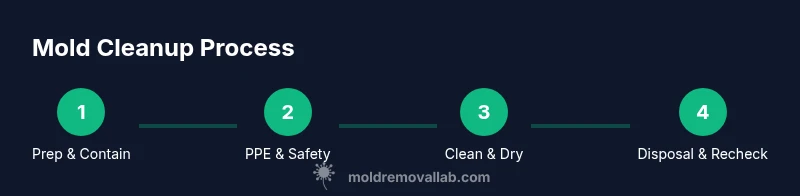
A deliberate workflow helps minimize exposure during mold cleanup. Start by isolating the work area with plastic sheeting and sealing door gaps to prevent spores from migrating to other rooms. Don PPE and verify a snug fit before touching contaminated surfaces. Work from the least contaminated areas toward more affected zones, and dampen surfaces to keep mold spores from becoming airborne when you scrub. Use a detergent solution and a non-abrasive brush to lift spores without damaging porous materials. Rinse with clean water and wipe dry with microfiber cloths. When possible, use a HEPA vacuum to capture residual dust after cleaning. Do not mix cleaners with ammonia or bleach, as dangerous gases can form in the air.
Finally, inspect for remaining moisture and air-dry the area with dehumidifiers or fans oriented to exhaust air outside the house. A controlled, methodical approach reduces the risk of recontamination and helps keep indoor air healthier.
Ventilation and containment strategies
Ventilation is a double-edged sword in mold cleanup: you want fresh air to dilute spores, but you don’t want to push spores to other rooms. Use exterior exhaust fans or a properly sized HEPA air cleaner in the cleanup space to remove airborne particles. Keep interior doors closed and rely on a dedicated exhaust path that directs air outside. Avoid using portable fans that blow air throughout the home unless they’re attached to HEPA filtration. Containment is essential for properties with shared ducts or multiple rooms; seal off the mold area and maintain negative pressure if possible. After finishing the work, re-open the space only after passive drying has reduced surface moisture to safe levels.
These steps complement PPE and cleaning methods and help minimize long-term indoor air quality issues, especially in poorly ventilated homes.
Health considerations and who should avoid DIY cleanup
Mold exposure can affect people differently. Those with asthma, allergies, chronic bronchitis, or compromised immune systems may experience more pronounced symptoms and should approach cleanup with extra caution or avoid DIY work entirely. Even healthy individuals can experience irritation with prolonged exposure in poorly ventilated spaces. If you notice coughing, wheezing, headaches, or eye irritation during cleanup, stop and reassess your approach. In cases of extensive growth, visible water damage, or mold in heat-producing appliances, professional remediation is often the safest option. Health professionals advise that persistent symptoms warrant medical evaluation and a professional inspection to determine the extent of contamination and necessary steps.
In all scenarios, avoid creating dust clouds; keep surfaces damp, and limit the time spent in contaminated areas. The Mold Removal Lab guidance supports seeking an expert assessment when moisture problems persist or growth is extensive.
DIY vs professional remediation: making the call
When deciding between DIY cleanup and hiring a professional, consider the size of the affected area, the extent of growth, and the presence of sensitive occupants. DIY is reasonable for small, isolated patches with controlled moisture, provided you follow PPE, containment, and cleanup steps carefully. For larger infestations, hidden mold behind walls, or complex moisture problems, a licensed remediation contractor offers specialized equipment, containment, and post-remediation verification. Remember that professional mold remediation may include mold testing, structural evaluation, and moisture control recommendations. The Mold Removal Lab team emphasizes that the best approach depends on the risk, not just the cost.
If you’re unsure, schedule a consultation with a local licensed professional to discuss scope, timelines, and safety considerations. A cautious, informed approach protects health and minimizes the chance of recontamination.
Aftercare: drying, containment, and prevention
Post-cleanup care focuses on preventing mold recurrence by addressing moisture and improving ventilation. Dry the cleaned area thoroughly using dehumidifiers and fans that exhaust outside, and monitor humidity with a hygrometer or smart device. Repair leaks or drainage problems promptly and fix any insulation that has become damp. Regularly inspect areas prone to moisture—basements, bathrooms, kitchens, and laundry rooms—and address issues promptly to maintain healthy indoor air quality. Keep long-term prevention in mind: improve ventilation, promptly fix leaks, and consider ventilation upgrades or mold-resistant materials in high-moisture zones. The goal is to keep moisture low enough to deter mold growth without ongoing cleanup bursts.
Common mistakes to avoid during mold cleanup
Avoid common pitfalls that undermine safety and results. Don’t rely on a mask alone to solve mold problems; PPE must be paired with containment and moisture control. Never use a regular household vacuum without a HEPA filter to clean up mold spores, as this can disperse particles. Don’t oversaturate surfaces with cleaning agents or bleach on porous materials, which can push spores deeper and prolong the problem. Skipping moisture assessment or delaying repairs after cleanup increases the likelihood of regrowth. Finally, avoid cleaning mold if you’re feeling unwell or if the area is large; seek professional remediation for a safe, thorough job.
Tools & Materials
- N95 respirator (fit-tested)(Ensure a snug seal; replace if damp or dirty)
- P100 respirator (optional)(Higher filtration for dusty or extensive mold)
- Safety goggles or protective eyewear(Indirect venting preferred; seal around eyes)
- Disposable coveralls(Choose a disposable barrier or washable suit)
- Nitrile gloves(Double-glove if handling wet materials)
- HEPA vacuum(Use only with HEPA-rated filters)
- Detergent or mold cleaner(Mild detergent is often sufficient)
- Plastic sheeting and painter's tape(Create containment and seal off area)
- Disposable trash bags(Seal bags for disposal of contaminated materials)
- Spray bottle with water(Light mist to suppress dust)
Steps
Estimated time: Estimated total time: 2-6 hours
- 1
Prepare area and containment
Seal off the mold area with plastic sheeting, close doors, and turn off or isolate central ventilation to limit spread. Establish a clear exit path to minimize tracking mold to other spaces.
Tip: Double-check seals and ensure plastic overlaps to form a solid barrier - 2
Don PPE and perform a fit check
Put on the respirator, goggles, gloves, and coveralls. Do a quick seal check by inhaling and exhaling to ensure no air leaks.
Tip: If you feel gaps, adjust straps and nosepiece until the seal is snug - 3
Dampen surfaces before cleaning
Lightly mist moldy surfaces with water to reduce dust and spore release. Avoid soaking porous materials which can spread moisture problems.
Tip: Keep moisture under control to limit spore release - 4
Clean and scrub surfaces
Use a detergent solution and non-abrasive brush to lift spores from non-porous and semi-porous surfaces. Rinse with clean water and wipe dry with microfiber cloths.
Tip: Work from least to most contaminated areas - 5
Handle contaminated materials
Place porous materials (drywall, insulation) into sealed bags for disposal. Do not reuse them once contaminated.
Tip: Place disposal bags in a secondary bag to prevent leaks - 6
Dry the area thoroughly
Use dehumidifiers and fans directed to exhaust outside to reduce humidity and prevent regrowth.
Tip: Aim for indoor humidity below 50% if possible - 7
Dispose of tools and PPE safely
Wipe down hard tools with disinfectant; discard disposable PPE after use if heavily contaminated.
Tip: Do not wear contaminated PPE into clean areas - 8
Inspect and plan moisture control
Check for lingering moisture sources and plan repairs to prevent recurrence. Schedule follow-up inspections as needed.
Tip: Document moisture sources and repair timeline
FAQ
Do I really need to wear a mask when cleaning mold?
Yes. A mask or respirator helps protect you from inhaling mold spores. For small jobs an N95 is typical; larger or more active growth may require a higher-grade respirator. PPE should be used with containment and ventilation.
Yes, a respirator or mask is important for any mold cleanup, with higher protection for larger jobs.
What type of mask is best for mold cleanup?
At minimum, an N95 respirator that fits well. For heavy contamination, consider a P100 respirator. Do not rely on surgical masks alone; they do not filter fine spores.
A properly fitted N95 is the starting point, with P100 for bigger jobs.
Can I use bleach to kill mold?
Bleach is not a universal fix, especially on porous materials. It may not fully remove mold and can create fumes. Detergents and proper cleaning methods are often more effective for most surfaces.
Bleach isn’t a catch‑all solution; use detergents and proper technique instead.
When should I call a professional mold remediation service?
If growth is extensive, hidden behind walls, or moisture problems persist after initial cleanup, professional remediation is advised. Pros have specialized containment, equipment, and post‑remediation checks.
Call a pro when the mold is large, hidden, or moisture remains.
What signs indicate health risks from mold exposure?
Persistent coughing, wheezing, nasal congestion, eye irritation, or headaches after exposure can signal health risk. If symptoms occur, stop and reassess cleanup or seek medical guidance.
Watch for coughs, wheezing, or eye irritation after exposure.
What other PPE should I wear beyond a mask?
Goggles, gloves, protective clothing, and proper ventilation are essential beyond the mask. PPE protects skin, eyes, and clothing from spores and moisture.
Wear goggles, gloves, and protective clothing, plus ventilation.
Watch Video
The Essentials
- Wear PPE before touching mold and keep it on until outside the contaminated area.
- Containment and moisture control are as important as cleaning itself.
- Avoid using bleach on porous materials and never create dust clouds.
- Drying thoroughly stops mold from re growing and spreading.
- Know when to call a professional for extensive or hidden mold.