What to Do If Mold Grows on Clothes
Learn practical, step-by-step methods to eradicate mold on clothing, protect fabrics, and prevent recurrence. Quick safety tips, fabric-specific guidance, and when to seek help from Mold Removal Lab.


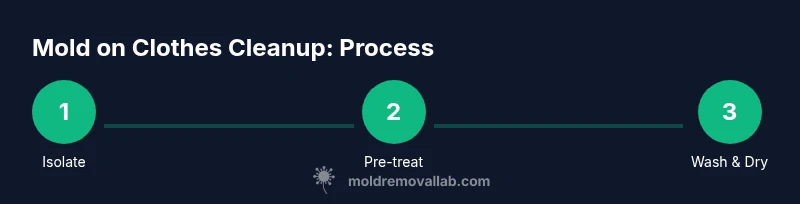
Goal: Remove mold from clothes safely by following fabric-appropriate steps. Begin by isolating affected items, then pre-treat visible mold. Wash on the hottest safe setting for the fabric with a good detergent, and dry thoroughly in sun or a well-ventilated dryer. If odor or staining persists, repeat washing or consult a mold remediation expert.
Understanding mold on clothes and how it happens
Mold growth on textiles happens when damp fabrics are left in warm, dark spaces. It can appear as fuzzy spots in green, black, or gray, often accompanied by a musty odor. The root cause is moisture retention after laundering or storage in humid environments. According to Mold Removal Lab, exposure to mold on fabrics is not only unsightly but can contribute to allergic reactions and respiratory irritation in sensitive individuals. Recognizing these signs helps homeowners act quickly to reduce health risks and limit garment damage. In this guide, you’ll find practical steps tailored to common fabrics and household setups, with real-world tips you can apply today.
Immediate safety and handling steps
Before handling moldy clothes, put on protective gloves and a mask if you have respiratory sensitivities. Work in a well-ventilated area to avoid inhaling spores. Carefully remove contaminated items from other laundry to prevent cross-contamination. Place moldy garments in a breathable bag or bin, seal it, and treat them separately from clean clothing. Avoid shaking garments, which can disperse spores, and keep kids and pets away during the initial cleanup. These precautions reduce exposure risk and set the stage for effective remediation.
Fabric-by-fabric cleaning guidance
Different fabrics require different approaches. Cotton and most cotton blends tolerate normal washing, while synthetic fibers may respond well to hotter cycles and strong detergents. Wool, silk, and other delicate fabrics often need hand washing or gentler cycles with fabric-safe cleaners. For colorfast fabrics, a mild stain remover can help tackle spots after pre-treatment. Always consult care labels before applying heat or chemical treatments. This careful, fabric-aware method minimizes damage while maximizing mold removal effectiveness.
Stain and odor management after washing
Even after washing, some garments retain a musty odor or faint stains. Pre-treat visible mold with a detergent-soak, then wash again using the recommended settings for the fabric. White vinegar can help disinfect and deodorize fabrics, while baking soda may assist with odor absorption when used in the wash or as a pre-treatment paste. If odors persist, repeating the wash cycle or using an odor-absorbing secondary rinse can improve results. These steps reduce lingering smells without harming textiles.
Drying and storage to prevent recurrence
Thorough drying is essential to prevent mold from returning. Favor sunlight when fabric-safe, or use a well-ventilated dryer setting appropriate for the garment type. Do not store damp or partially dried clothes, especially in humid closets or basements. Consider using a dehumidifier or air purifier in the laundry area, and ensure that drying spaces are clean and free of mold spores. Proper drying minimizes regrowth and protects other items.
Special cases: whites, colors, and delicates
White or colorfast fabrics often tolerate stronger cleaning methods, including diluted bleach for white items that can handle it. Always test a hidden seam or inconspicuous area first. Delicate fabrics like silk or rayon may require professional cleaning if mold has deeply penetrated the fibers. For persistent cases or valuable garments, it may be best to consult a professional mold remediation service to avoid irreversible damage while ensuring safety.
When to discard or seek professional help
If mold returns after multiple cleanings or if fabrics show permanent damage, it may be time to retire the item. In some cases, porous materials (like certain natural fibers) harbor mold spores that cleaning cannot fully remove. When in doubt, seek professional guidance to prevent biohazard exposure and protect household health. Knowing when to escalate preserves safety and reduces future risk.
Common myths and practical truths
Myth: Mold on clothes always means the item is ruined. Truth: Many items can be saved with prompt action and proper cleaning. Myth: Bleach is always the best solution. Truth: Bleach can be effective on white, colorfast fabrics but can damage colored or delicate fabrics. By differentiating myths from facts, you can approach cleanup with confidence and reduce unnecessary waste.
Quick-reference cleaning checklist
- Isolate moldy clothes immediately and bag them separately.
- Check care labels before applying heat or chemicals.
- Pre-treat visible mold with a fabric-safe cleaner.
- Wash on the hottest safe setting with appropriate detergent.
- Add white vinegar to the wash cycle if permitted by fabric care labels.
- Dry thoroughly in sun or in a well-ventilated dryer; avoid damp storage.
- Recheck for odor and repeat washing if needed.
- If mold persists, seek professional guidance.
What Mold Removal Lab recommends for households
Based on Mold Removal Lab analysis, consistent attention to moisture control and prompt cleaning after contamination is key to preventing mold on clothing from becoming a recurring problem. We emphasize careful handling, fabric-appropriate cleaning, and complete drying to protect both garments and health. Following these best practices helps households reduce exposure risks while preserving wardrobe integrity.
Tools & Materials
- Protective gloves (nitrile or rubber)(to protect skin during handling and pre-treatment)
- N95 respirator or high-quality mask(optional for sensitive individuals; prevents inhaling spores)
- Ventilated workspace (open window or fan)(reduces spore concentration in the air)
- Mild laundry detergent(choose enzyme-free if fabric is delicate)
- Stain remover (fabric-safe)(use only on fabrics label permitting treatment)
- White distilled vinegar(helps disinfect and deodorize fabrics)
- Baking soda(odor absorption can help in some cases)
- Old towels or cloths(blotters and absorbent for handling moisture)
- Washing machine with hot-water capability(hot water often improves mold removal)
- Clothesline or drying rack(for thorough air drying)
- Sealable bag or bin(contain moldy items separately)
Steps
Estimated time: 60-120 minutes (excluding drying time)
- 1
Isolate and assess
Remove moldy items from clean laundry and place them in a separate bag or bin. Do not mix with the rest of the load to prevent cross-contamination. This initial separation reduces the spread of mold spores and makes subsequent steps more effective.
Tip: Work in a contained area and avoid shaking the garments to minimize spore release. - 2
Check fabric care labels
Read each item’s care label to determine heat tolerance, allowed cleaners, and whether dry cleaning is recommended. Fabric-specific rules keep you from using methods that could permanently damage fibers.
Tip: When in doubt, test on a hidden seam with a small amount of cleaner before full treatment. - 3
Pre-treat visible mold
Apply a fabric-safe stain remover or a small amount of detergent directly to stains. Let it sit for a short period to loosen mold residues before laundering.
Tip: Avoid aggressive scrubbing which can push mold deeper into fibers. - 4
Wash on the hottest safe setting
Wash the affected items on the hottest setting allowed by the care labels with an effective detergent. Add white vinegar to the wash for disinfecting and odor control if permitted by the label.
Tip: Do not mix moldy items with other laundry that isn’t mold-affected. - 5
Rinse and rewash if needed
After the first wash, inspect for remaining odor or stains. If present, repeat washing with the same settings or a gentler cycle for delicates.
Tip: Persistent odor may require an additional rinse cycle or a second wash with a dedicated cleaner. - 6
Dry thoroughly
Dry clothes completely in a sunny outdoor space or a well-ventilated dryer appropriate for the fabric. Ensure no damp areas remain, as moisture fosters regrowth.
Tip: Do not store damp garments in closets or basements. - 7
Odor and stain check
Once dry, recheck for any mildew smell or stains. If detected, repeat cleaning steps or consider alternative methods for stubborn items.
Tip: Sunlight can help deodorize and brighten white fabrics. - 8
Evaluate fabric integrity
Assess whether the fabric shows signs of weakening or color loss after treatment. If fibers are compromised, prioritize safety and consider replacement.
Tip: Document any damage to avoid surprises later on. - 9
Contain for future prevention
Store cleaned garments properly in dry, ventilated spaces. Use dehumidifiers or air purifiers in damp areas to reduce recurring moisture problems.
Tip: Address root moisture sources, like leaks or high humidity, to prevent mold return. - 10
Know when to escalate
If mold keeps returning despite repeated cleaning, or if fabrics are valuable and irreplaceable, seek professional remediation to ensure safe and thorough handling.
Tip: Professional help can address unseen mold in fabric folds and seams.
FAQ
Is mold on clothes dangerous to health?
Mold exposure can trigger allergies and respiratory irritation in sensitive individuals. Take safety precautions, limit exposure, and follow proper cleaning steps to reduce risk.
Mold on clothes can affect health for some people, especially those with allergies or asthma. Use protective gear and clean promptly.
Can I use bleach on moldy clothes?
Bleach can help on white, colorfast fabrics but may damage colored or delicate fabrics. Always test first and avoid mixing with ammonia.
Bleach is not universally safe for all fabrics; test first and use appropriate settings.
Should I wash moldy clothes with other laundry?
Moldy clothes should be washed separately to prevent cross-contamination and limit spore spread to clean laundry.
Keep moldy items separate from the rest of the load.
What if mold returns after washing?
If mold reappears, rewash with fabric-safe cleaners and consider professional help for persistent cases or delicate fabrics.
If mold comes back, reassess steps and consider expert help.
Can all mold be removed from clothes?
Some fabrics may harbor mold deeply; in such cases, removal may be incomplete and replacement could be prudent.
Some fabrics may not be fully salvageable; assess damage before discarding.
How should I dry moldy clothes safely?
Dry clothes completely in sun or a well-ventilated space. Avoid damp storage to prevent regrowth.
Dry thoroughly in a ventilated area to prevent regrowth.
Watch Video
The Essentials
- Isolate moldy clothes immediately and avoid cross-contamination.
- Pre-treat, wash, and dry thoroughly according to fabric care labels.
- Use safe cleaners (e.g., vinegar) where permitted by the fabric.
- If mold persists, discard or seek professional remediation to protect health.