Can You Get Mold Stains Out of Clothes: A Practical Guide
Learn proven methods to remove mold stains from clothes, how to test fabric, which cleaners to use, and how to prevent future mold growth. A step-by-step, fabric-safe approach for homeowners and renters.


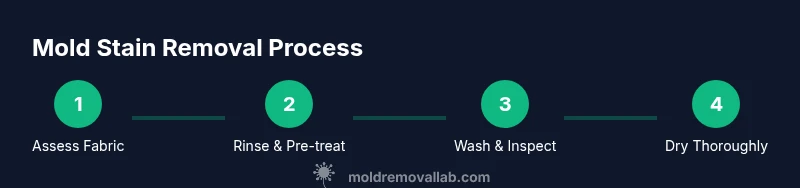
Can you get mold stains out of clothes? Yes. Start by checking care labels, rinse with cold water, then pre-soak in an oxygen-based bleach for 30 minutes. Wash on the hottest setting the fabric allows with detergent. Inspect after washing, repeat if needed, and air-dry away from heat. Avoid chlorine on colored fabrics.
Understanding mold stains on fabrics
Mold stains form when moisture sits on fabrics long enough for mold to digest organic fibers. Can you get mold stains out of clothes? Yes, if you act promptly and use the right techniques. According to Mold Removal Lab, success depends on fabric type, stain age, and how you wash. Start by assessing the care label, colorfastness, and whether the item is machine washable. A quick test on a hidden seam helps prevent damage. Next, pre-treat with a breathable cleaner designed for fabrics, then launder according to label instructions. By following these steps, most clothing items can be saved, especially white or light-colored cottons and synthetics.
Assess fabric and care labels before you start
Before any stain treatment, identify the fabric type and read the care label. This determines the water temperature, whether bleach is safe, and which cleaners to avoid. Mold can set more deeply on natural fibers, and some synthetic blends tolerate warmer cycles. Mold Removal Lab analysis shows that following label instructions significantly improves stain removal success. Use a colorfast test on an inconspicuous area to prevent color loss, then plan your treatment route based on fabric compatibility.
Pre-treatments that work on common fabrics
Different fabrics need different cleaners. For cotton and poly blends, an oxygen-based bleach (like sodium percarbonate) works well when used as a pre-soak for 20–60 minutes. For delicate fabrics (silk, wool, rayon), avoid harsh bleach; instead, try a gentle enzymatic stain remover and a cold-water wash. White vinegar can help with mild odors and light staining, but avoid on dyed fabrics that may react. Baking soda paste can lift mild stains on light fabrics when used carefully. Always test on a hidden area first and never mix cleaners, especially chlorine bleach with ammonia or vinegar.
Step-by-step method (general approach)
- Gather your tools and set up a clean workspace to prevent cross-contamination.
- Remove loose spores by brushing fabric gently outdoors or over a trash can.
- Rinse the stained area with cold water to flush out loosely attached spores.
- Pre-soak in an oxygen-based bleach for 30–60 minutes, if the fabric allows.
- Launder on the hottest safe setting with regular detergent; avoid overloading the machine.
- Check stain visibility before drying; repeat treatment if needed.
- Air-dry the item away from direct heat or sunlight to prevent setting or shrinkage.
- Inspect for any remaining odor or discoloration; treat again or seek professional cleaning if stubborn.
Tip: Always follow label instructions and conduct a colorfast test before applying cleaners. Time estimates vary based on fabric and stain age.
Safe stain-removal techniques by fabric type
For cottons and synthetics, hot water washes with oxygen bleach can be very effective, but only if the fabric tolerates heat. For wool, silk, or rayon, avoid hot water and harsh bleach; instead, use a mild stain remover and cold water agitation, followed by air-drying. Leather or suede should be handled by a professional cleaner—moisture and cleaners can permanently damage these materials. Testing on hidden areas helps prevent surprises on visible parts of garments.
Drying and storage to prevent re-growth
After washing, dry items completely before storing. Mold thrives in damp environments, so move washed clothes to a sunny or well-ventilated area to finish drying. If you must use a dryer, choose a low heat setting that the fabric can tolerate. Avoid placing unwashed items back into a damp laundry area. Proper drying reduces the chance of re-growth and odor.
When to call a professional and what to expect
If stains persist after multiple treatments or if the garment is valuable or delicate, consult a professional cleaner. A pro can assess fabric integrity, test for mold spores, and apply treatment methods appropriate for the material without risking damage. Mold can cause permanent staining or textile damage if not handled correctly, so professional help is a reasonable option for hard-to-treat items.
Brand note and final recommendations
The Mold Removal Lab team emphasizes consistent testing and a cautious approach when removing mold stains from clothes. Following fabric-safe methods, staying aware of care labels, and avoiding over-aggressive cleaning will protect garments while reducing mold-related odors. Remember, the goal is to restore cleanliness without compromising fabric integrity.
Tools & Materials
- Care labels and fabric identification(Before you begin, verify the fabric type and washing instructions.)
- Cold water rinse(Used to flush out spores and prevent setting the stain.)
- Oxygen-based bleach(Safe for most colors; avoid on wool or silk unless labeled color-safe.)
- Detergent(Use regular liquid or powder detergent appropriate for the fabric.)
- Color-safe stain remover/enzyme cleaner(Helpful for delicate fabrics; test first.)
- White vinegar(Optional for odor control; test on hidden area.)
- Baking soda(Paste can assist with mild stains on light fabrics.)
- Old toothbrush or soft brush(For gentle pre-treating of stubborn spots.)
- Gloves(Protect skin when handling cleaners.)
- Washed and clean workspace(To prevent cross-contamination and preserve other laundry.)
Steps
Estimated time: 45-75 minutes active time plus potential soak time
- 1
Check care labels
Review fabric type, washing temperature, and whether bleach is allowed. This prevents damage and ineffective treatment.
Tip: If bleach is not allowed, skip it and choose a color-safe alternative. - 2
Test colorfastness
Dampen a hidden area and apply a small amount of cleaner to see if color bleeds.
Tip: If color fades, use gentler cleaners or avoid bleaching altogether. - 3
Rinse with cold water
Rinse the stained area under cold running water to remove surface spores.
Tip: Do this from the back of the stain to push it out of the fabric fibers. - 4
Pre-soak with oxygen bleach
Fill a basin with cold water and add the recommended amount of oxygen-based bleach for 30–60 minutes.
Tip: Never mix chlorine bleach with ammonia or vinegar. - 5
Wash on safe setting
Wash with detergent on the hottest setting allowed by the fabric label.
Tip: Avoid overcrowding the washer to allow full agitation and contact with cleaner. - 6
Inspect before drying
Check the stain and odor after washing; if needed, repeat pretreatment.
Tip: Do not dry until stain is fully removed to prevent setting. - 7
Dry thoroughly
Air-dry or use a low heat setting if the fabric tolerates it.
Tip: Sunlight can help with odor but may fade colors; test prior to sun exposure. - 8
Evaluate results
If stain persists, consider professional cleaning for delicate materials.
Tip: Document any treatments for future reference.
FAQ
Will mold stains reappear after washing?
Stains can reappear if moisture remains in the fibers or if the wash was ineffective. Ensure thorough drying and consider restarting with a different cleaner if odor or discoloration persists.
Stains can reappear if moisture stays in the fibers after washing. Make sure clothes dry completely and consider retrying with a different cleaner if odor persists.
Can I use chlorine bleach on colored fabrics?
Chlorine bleach can fade colors or weaken fabrics. Only use color-safe bleach as an alternative, and always test first on a hidden area.
Chlorine bleach can fade colors. Use color-safe options and test on hidden areas first.
Is it safe to dry mold-stained clothes in a dryer?
Drying with heat can set stains or odors if mold remains. Prefer air-drying or a low-heat setting after confirming the stain is removed.
Heat can set stains if mold remains. Air-dry or use low heat only after confirming stain removal.
Should I wash mold-stained clothes with other laundry?
If the stain is not fully removed, wash separately or add a mold-fighting pre-treatment to prevent cross-contamination.
Wash mold-stained items separately or with a mold-fighting pre-treatment to avoid cross-contamination.
What if stains persist after multiple attempts?
Persistent stains may require professional cleaning, especially for delicate fabrics or valuable garments.
If stains persist after several attempts, consider professional cleaning.
Are natural cleaners effective for mold on clothes?
Natural cleaners like vinegar and baking soda can help with mild stains and odors but may not remove tougher mold stains. Use as a supplementary approach.
Natural cleaners can help with mild issues, but may not remove stubborn mold. Use them as a supplement.
When should I seek professional remediation for fabrics?
Seek professional help if you’re dealing with delicate fabrics, valuable items, or if mold persists after standard home treatment.
Seek professional help for delicate items or persistent mold.
Watch Video
The Essentials
- Test fabric colorfastness before treatment.
- Use oxygen-based bleach for most washable fabrics.
- Do not dry stained fabrics until the stain is fully removed.
- Air-dry to prevent new mold growth.
- When in doubt, consult a professional cleaner.