How to Remove Mold Stains from Fabric: Step-by-Step Guide
Learn safe, effective methods to remove mold stains from fabric, test colorfastness, choose cleaners, and prevent future growth with expert guidance from Mold Removal Lab.


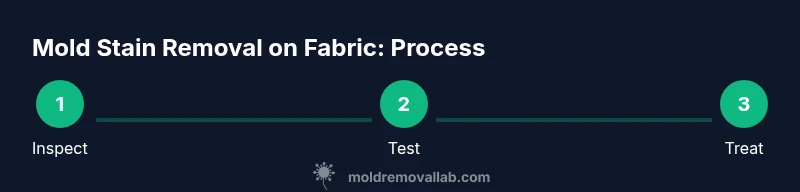
This guide shows you how to remove mold stains from fabric safely and effectively. You’ll test colorfastness, pre-treat with appropriate cleaners, apply proven solutions like vinegar or hydrogen peroxide, wash using fabric-appropriate settings, and finish with thorough drying to prevent regrowth.
Understanding why mold stains appear on fabrics
Mold stains on fabric typically indicate lingering moisture and insufficient drying after exposure to humidity or leaks. They can appear on clothing, towels, upholstery, and other textiles when warmth and moisture combine, providing a breeding ground for mold spores. According to Mold Removal Lab, quick action after moisture exposure reduces the chance of permanent staining and limits future mold growth by removing moisture sources and improving airflow in storage areas. This section explains how fabric fibers interact with mold and why some textiles stain more readily than others, setting the foundation for safe, effective remediation.
Fabric types and how they react to mold stains
Different fabrics respond differently to mold. Cotton and linen soak up moisture and can show visible staining but respond well to rinsing and washing when treated promptly. Synthetic fibers like polyester tend to resist staining but can hold onto odors. Delicates such as silk and wool require gentler methods to avoid color fading or fiber damage. Knowing your fabric type helps you choose the right cleaner, water temperature, and agitation level. Always check care labels before starting, because improper methods can worsen stains or harm fibers.
Safety first: colorfastness and skin safety
Before you start any treatment, test colorfastness on an inconspicuous area. Mix a small amount of cleaner and apply it to a hidden stitch or seam; wait 5-10 minutes to check for color transfer, fading, or fabric damage. Wear gloves to protect hands from cleaners, and work in a well-ventilated area. For those with sensitive skin or pets, consider mask protection and avoid strong fumes. If the fabric is dry-clean only or extremely delicate, skip home remedies and seek professional cleaning guidance.
Pre-treatment: choosing the right approach by fabric type
Pre-treatment strategies vary by fabric. For cottons and linens, a pre-soak in a mild detergent solution can loosen mold films. Synthetics may respond well to a vinegar-water solution. Delicates like silk require gentler pre-treatments or avoidance of harsh cleaners entirely. Always follow care labels and avoid chlorine bleach on non-colorfast fabrics. Test any new approach in a hidden area and document the result to avoid repeating damage.
Eco-friendly and store-bought cleaners: options and caution
Common household options include white distilled vinegar, baking soda pastes, and mild liquid detergents. Hydrogen peroxide can be effective on colorfast fabrics but may lighten colors on some dyes, so test first. For stubborn stains, enzyme-based stain removers or oxygen bleach (as directed on the product) can help break down mold residues without harsh chlorine. Avoid mixing cleaners, especially bleach with ammonia or acids, to prevent harmful fumes. Always rinse thoroughly after treatment.
Using vinegar, hydrogen peroxide, and baking soda: cleaning strategies
A 1:1 vinegar and water mixture is a classic first-pass for many fabric stains, offering mild antifungal properties without aggressive chemical action. For tougher stains on colorfast fabrics, diluted hydrogen peroxide (3%) can lift mold residues while brightening whites if used cautiously. A baking soda paste can help lift surface stains when applied gently and left to sit briefly before scrubbing lightly. Remember to test each method on a hidden area first and to rinse completely after treatment.
Detergent-based cleaning and washing steps
After pre-treatment, wash the item on the appropriate setting for its fabric type. Use the hottest water safe for the fabric and a color-safe or appropriate detergent to maximize mold removal. Add an extra rinse cycle to ensure all cleaners are flushed from the fibers. If the item cannot be machine washed, hand wash with adequate agitation and a thorough rinse. Do not overload the washing machine, as this reduces effective cleaning and rinsing.
Rinsing, drying, and storage to prevent regrowth
Rinse all residues until water runs clear, then squeeze out excess moisture without wringing delicate fabrics. Dry fabrics completely in a sunny, well-ventilated area or with a dryer at the appropriate temperature for the fabric. Ensure storage areas are dry and airflow is enhanced with dehumidifiers or fans. Proper drying is critical to preventing regrowth, as remaining moisture is a primary cause of recurring mold.
Spot treatment vs full garment wash: when to apply
Use spot treatment for localized stains that don’t require full washing, particularly on delicate fabrics. If fibers appear stiff, odors linger, or staining is widespread, a full wash is warranted. For heavily contaminated items, consider professional cleaning, especially if the fabric is valuable or fragile. Taking the time to assess the extent of contamination helps you avoid unnecessary damage.
Common mistakes that ruin fabrics
Mistakes include using bleach on non-colorfast fabrics, using high heat on delicate fibers, and skipping colorfastness tests. Avoid aggressive scrubbing that damages fibers and causes rough textures. Do not mix multiple cleaners, and never attempt to dry moldy fabrics in direct heat, as heat can set stains and odors. When in doubt, consult care labels or a professional cleaner.
When to seek professional help and final checklist
If stains persist after home remediation, if the fabric is precious or irreplaceable, or if mold exposure caused respiratory symptoms in your household, seek professional remediation. Use a simple final checklist: confirm care label compliance, test colorfastness, pre-treat correctly, wash using fabric-appropriate methods, and dry thoroughly before storage. Mold can be stubborn; professional services offer advanced cleaning and safety assurances.
Tools & Materials
- White distilled vinegar (5% acidity)(Dilute 1:1 with water for most fabrics)
- Hydrogen peroxide (3%)(Test first on colorfast fabrics; may lighten some dyes)
- Liquid laundry detergent (mild, color-safe if possible)(Use as a pre-treatment or wash additive)
- Baking soda(Make a paste for spot treatment)
- Oxygen bleach (non-chlorine)(Check fabric care label before use)
- Isopropyl alcohol (optional)(For stubborn odors; test on fabric first)
- Soft-bristled brush(Gently lift fibers without damaging them)
- White cloth or sponge(Dab; avoid applying colored cloths that may bleed)
- Bucket or large basin(For pre-soak and rinsing)
- Gloves and eye protection(Protect skin and eyes from cleaners)
- Ventilated area (fans or open windows)(Safety during cleaning fumes)
Steps
Estimated time: Total time: 60-120 minutes for active steps, plus drying time as needed
- 1
Inspect fabric and identify the stain
Examine the item in good light to determine the extent of mold and any dye migration. Note areas with the deepest staining and delicate sections that require gentler handling.
Tip: Document with a quick photo for reference. - 2
Test colorfastness on a hidden area
Apply a small amount of cleaner to a hidden seam or inner hem and wait 10 minutes to check for color transfer or fabric damage.
Tip: If color fades, discontinue this method on the entire item. - 3
Pre-treat based on fabric type
For cotton or linen, pre-soak in mild detergent solution. For synthetics, consider a vinegar solution. Delicates get gentler methods.
Tip: Always follow care label instructions. - 4
Apply vinegar or enzyme-based treatment
Dab a 1:1 vinegar-water solution onto the stain and let sit for 15 minutes to disrupt mold films.
Tip: Avoid over-wetting delicate fabrics. - 5
Use hydrogen peroxide if colorfast
Apply a small amount of 3% hydrogen peroxide to stubborn stains; rinse after 10 minutes. Do not use on non-colorfast fabrics.
Tip: Test first on a hidden area. - 6
Create a baking soda paste for spot lifting
Mix baking soda with water to form a paste; apply to stain, let sit 10 minutes, then brush lightly.
Tip: Rinse thoroughly to remove paste residue. - 7
Wash on appropriate setting
Wash the item using the recommended cycle and water temperature for the fabric, using a mild or color-safe detergent.
Tip: Do not overload the washing machine to ensure proper cleaning. - 8
Rinse completely and check for residual stains
Ensure all cleaner residues are removed. Inspect in good light for remaining mold marks.
Tip: If stain persists, consider repeating the treatment on a small area first. - 9
Dry thoroughly to prevent regrowth
Air-dry in sun or use a dryer on the correct setting. Avoid warm spots that can encourage mold growth.
Tip: Do not store until fully dry. - 10
Repeat if necessary
Some fabrics require multiple cycles; avoid aggressive treatments that could damage fibers.
Tip: Space out sessions to prevent fiber fatigue. - 11
Store properly to minimize future mold risk
Store textiles in dry, well-ventilated spaces with good air circulation and humidity control.
Tip: Consider dehumidifiers in damp environments. - 12
Assess when to seek professional help
If stains persist after multiple attempts or the item is valuable/fragile, consult a professional cleaner.
Tip: Professional services offer advanced methods and safety assurances.
FAQ
Is it safe to use vinegar to remove mold from all fabrics?
Vinegar can be effective on many fabrics, but it may not be suitable for delicate or colorfast fabrics. Always test colorfastness and follow care labels before proceeding.
Yes for many fabrics, but test first and follow the care label on delicate items.
Can I use bleach on mold-stained fabric?
Bleach can damage colors and fibers; use only on colorfast whites and with caution. Always test first and consider non-chlorine alternatives for colored fabrics.
Bleach is risky on colored fabrics. Test first and prefer non-chlorine options when possible.
What should I do if mold returns after washing?
If mold reappears, reassess drying conditions, storage humidity, and consider repeating a gentler cleaning cycle. Persistent mold may require specialized cleaners or professional service.
Reassess drying and storage; repeat gentle cleaning or seek professional help for persistent cases.
How long should I air-dry fabrics after treatment?
Aim for complete dryness, ideally 24 hours in a sunny, ventilated area. Humidity or damp spaces can hinder drying and promote regrowth.
Dry fabrics completely, ideally within a day in a sunny, ventilated space.
When is professional cleaning necessary?
Seek professional cleaning for valuable or fragile fabrics, large mold contamination, or if household symptoms persist after treatment.
Consider professionals for valuable fabrics or persistent mold issues.
Watch Video
The Essentials
- Test colorfastness before treating colored fabrics.
- Choose cleaners suited to fabric type to prevent damage.
- Thorough drying is essential to prevent mold regrowth.
- Avoid mixing cleaners to stay safe and effective.
- Consider professional help for delicate or persistent stains.