Can You Wash Mold Out of Clothes? A Practical Guide
Learn whether mold on clothes can be washed, plus step-by-step methods, fabric-safe tips, and when to discard. Mold Removal Lab shares practical remediation guidance for homeowners and renters.


Yes—mold on clothes can often be washed out if addressed promptly and according to fabric care labels. Use hot water, a strong detergent, and an approved mold cleaner or sanitizer. Pre-treat stains, run a thorough wash, and dry the garment completely in a well-ventilated area. Follow safety guidelines from Mold Removal Lab.
Can You Wash Mold Out of Clothes? Understanding the basics
Mold on clothing is more than a stain—it can signal mold spores lingering in a fabric. When fabric fibers stay damp, mold can embed itself and release tiny spores that cause musty odors or allergic reactions. The good news is that, in many cases, you can wash mold out of clothes with care. Prompt action matters: acting quickly after spotting mold improves your odds of full removal. According to Mold Removal Lab, mold on garments often responds to standard laundry practices when you follow fabric care labels and use the right cleaners. However, not all fabrics tolerate aggressive treatments, and some stains may require professional help.
In this guide, we’ll cover practical, step-by-step methods you can apply at home, with safety reminders and fabric-specific tips. You’ll learn how to pre-treat, wash, and dry clothes so you minimize mold regrowth and keep your wardrobe safe. We’ll also discuss when to discard items that can’t be cleaned without damaging other fabrics or introducing health risks.
Fabric safety and stain types
Mold stains aren’t all the same. Some appear as green, black, or white spots on cotton or blends; others cling to wool, silk, or synthetics. The underlying issue is moisture and organic material that mold feeds on. Before you wash, check the garment care label. If a fabric is labeled “dry clean only,” you should not machine wash it; mold on such items might require professional remediation or disposal. For many everyday fabrics, hot water with detergent helps, but heat can set some stains, and chlorine bleach can fade colors. The Mold Removal Lab team emphasizes tailoring your approach to the fabric type. White cotton or colorfast textiles tolerate stronger options such as oxygen bleach, while delicate fibers (like lace or cashmere) benefit from gentler methods. In all cases, test a hidden seam with a small amount of cleaner to ensure colorfastness.
Pre-treatments and wash methods by fabric type
Begin with a pre-treatment to break the mold bonds. Apply a liquid detergent directly to the stained area and let it sit for 10-20 minutes; if safe for the fabric, you can add a stain remover or a paste of baking soda and water. For whites or colorfast fabrics, consider a chlorine or color-safe oxygen bleach in the wash. For colored fabrics that aren’t colorfast, skip bleach and use an oxygen bleach alternative or enzyme-based stain remover. Always run a short pre-wash rinse to remove surface spores before the main wash. Remember: never mix ammonia-based cleaners with chlorine bleach, as this creates dangerous gases. After pre-treatment, place the clothing in the washing machine with enough room to move.
Step-by-step washing flow and air drying
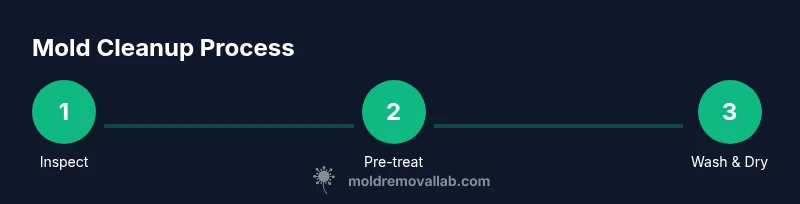
Step 1: Sort and prepare—Separate moldy items from clean laundry and put on gloves to avoid skin contact with spores. Step 2: Pre-treat—Apply detergent and optional stain remover to the affected areas, allow 10-20 minutes to penetrate. Step 3: Wash—Run the hottest water allowed by the care label with an appropriate detergent; add oxygen bleach if safe for the fabric. Step 4: Rinse and re-check—Inspect after the first wash; if mold persists, repeat the wash. Step 5: Dry thoroughly—Dry outdoors in sunlight if possible or in a high-heat dryer until completely dry; moisture encourages regrowth. Step 6: Inspect again—If any odor or stain remains, repeat or consider professional remediation.
When to discard and prevention
If the fabric is deeply stained, has persistent odor after multiple washes, or is a delicate item that cannot withstand repeated cleaning without damage, consider discarding. Mold can infiltrate fibers in ways that washing can’t fully reverse, and lingering spores may cause health concerns in sensitive individuals. To prevent recurrence, store cleaned items in a dry, well-ventilated space, fix leaks promptly, and reduce humidity in closets or laundry areas. Regularly inspecting wardrobes helps catch early signs and keeps your fabrics safer for longer.
Tools & Materials
- Mild laundry detergent(Choose a detergent suitable for the fabric and water temperature)
- Gloves(Latex or nitrile; protect skin from mold spores)
- White distilled vinegar(Natural deodorizer; test first on colorfast fabrics)
- Oxygen bleach (color-safe) or chlorine bleach(Check fabric care label; never use chlorine on colored fabrics)
- Stain remover or baking soda paste(Test on hidden area before use)
- Old toothbrush or soft brush(For targeted spot scrubbing)
- Washer with hot water setting(As allowed by care label; do not overload)
- Drying space (sunlight or high-heat dryer)(Sunlight helps in some cases; ensure fabric can tolerate heat)
Steps
Estimated time: 60-120 minutes
- 1
Inspect and sort fabrics
Review care labels and separate moldy items from clean laundry. Put on gloves to minimize skin contact with spores. This step prevents cross-contamination and protects delicate fabrics.
Tip: Always test a hidden seam for colorfastness first. - 2
Pre-treat stains
Apply detergent directly to the stained area and let sit for 10–20 minutes. If safe, add a stain remover or a baking soda paste to help break the mold bonds.
Tip: Avoid scrubbing aggressively on delicate fabrics to prevent fiber damage. - 3
Wash using appropriate settings
Wash on the hottest water allowed by the care label with the chosen detergent. Add oxygen bleach if the fabric can tolerate it; avoid mixing cleaners that create fumes.
Tip: Do not overload the washer; space helps clothes move and cleaning agents work effectively. - 4
Rinse and re-check
Inspect the first wash for visible mold or odor. If needed, run a second wash cycle with fresh water and cleaner. This reduces the chance of regrowth.
Tip: If odors persist, consider an additional rinse with vinegar in the final cycle. - 5
Dry completely
Dry outdoors in sunlight when possible, or use a high-heat dryer compatible with the fabric until completely dry. Moisture is a key factor in mold regrowth.
Tip: Do not fold or store damp items; ensure full dryness before storage. - 6
Assess and store properly
After drying, inspect for lingering odor or stains. If clear, store in a dry, well-ventilated space to minimize future mold growth.
Tip: Use moisture-absorbing aids in closets if humidity is high.
FAQ
Can all fabrics be washed to remove mold?
Most fabrics can be cleaned, but some dry-clean-only items require professional remediation or disposal. Always follow the garment care label and consider fabric sensitivity.
Most fabrics can be cleaned, but dry-clean-only items may require professional help.
Is bleach always safe to use on moldy clothes?
Bleach is safe only on whites or colorfast fabrics. It can fade colors on dyed fabrics, and never use chlorine bleach on non-colorfast materials. Prefer oxygen bleach when allowed by care labels.
Bleach should only be used on whites or colorfast fabrics; test first.
What should I do if odor remains after washing?
If odor remains, wash again with fresh water and consider adding vinegar to the rinse. Ensure the item is fully dry; lingering odor may indicate deeper growth.
Wash again and dry thoroughly; persistent odor may mean deeper growth.
Can I wash moldy clothes with other laundry?
Wash moldy clothes separately to prevent cross-contamination and spreading spores. Pre-treat items in a dedicated area if possible.
Wash moldy clothes separately to prevent spores spreading.
When should I discard moldy clothes?
Discard if fabric is deeply stained, odor persists after multiple washes, or the item cannot tolerate safe cleaning. Deep mold growth may require professional remediation.
If the smell won’t go away or the fabric is compromised, discard.
Watch Video
The Essentials
- Check care labels before washing.
- Pre-treat and wash promptly for best results.
- Dry thoroughly to prevent regrowth.
- Discard items if mold persists or fabric is unsafe.