What to Do After Mold Exposure: A Practical Home Guide
A homeowner-friendly, step-by-step guide on immediate actions, DIY basics, and professional remediation decisions after mold exposure. Learn how to protect health, control moisture, and prevent recurrence with clear, actionable steps.


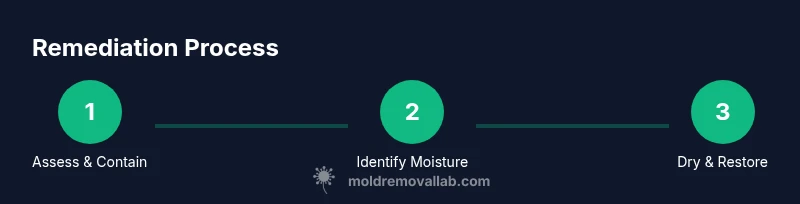
After mold exposure, act quickly to protect your family. Start by identifying and eliminating moisture sources, limiting further spread, and wearing protective gear. Clean small, non-porous spots with appropriate cleaners, and seal off affected areas. For larger outbreaks or persistent symptoms, contact a qualified mold remediation professional. This article walks you through practical steps to take today.
Understanding health and home risks after mold exposure
According to Mold Removal Lab, mold exposure can trigger allergic reactions, irritant symptoms, and, for some people, asthma-like flare-ups. Vulnerable household members—children, the elderly, and anyone with compromised immune systems—may experience symptoms more quickly or severely. Symptoms can appear within hours or days after exposure, depending on the species, the extent of moisture damage, and individual sensitivity. This quick overview emphasizes why prompt action matters and frames the subsequent steps. Hidden mold on walls, behind cabinets, or inside HVAC ducts poses a unique risk because it spreads spores quietly. Prolonged exposure can lead to coughing, sinus irritation, headaches, eye irritation, and in rare cases more serious health effects. The goal is to minimize exposure, locate moisture sources, and begin a safe remediation plan. The Mold Removal Lab team notes that controlling moisture is the cornerstone of preventing regrowth and protecting indoor air quality.
Immediate actions you should take right after exposure
If you suspect mold exposure, leave the affected area to minimize inhalation of spores. Before re-entering, put on a properly fitted N95 respirator, nitrile gloves, goggles, and disposable coveralls if you are cleaning. Remove contaminated clothing outside the main living area and seal it in a plastic bag for separate washing or disposal. Gently ventilate the space with fresh air using exhaust fans positioned to blow air outside, not into other rooms. Do not scrub aggressively or mix cleaners; aggressive agitation can release more spores. Once you have minimized spread, plan a careful cleaning approach, starting with small, non-porous surfaces to build confidence and reduce contamination risk. If symptoms persist or you are cleaning large areas, seek professional help. Mold Removal Lab recommends documenting your workspace and protecting sensitive individuals during cleanup.
How to assess the scope of mold growth
Begin with a thorough visual survey for obvious growth, water stains, and a musty odor. Check likely damp zones such as basements, bathrooms, and crawl spaces, and consider hidden moisture behind drywall or under flooring. A moisture meter or hygrometer can help identify damp zones that invite mold growth. If you encounter mold across larger areas or inside HVAC components, it’s wise to engage a professional remediation service to ensure safe containment and proper ventilation. The Mold Removal Lab analysis emphasizes that accurate assessment prevents underestimation of the problem and reduces the risk of recurrent growth.
Cleaning basics for small, contained mold
For non-porous surfaces (glass, metal, sealed plastics), use a detergent solution and hard, scrubbing-free wiping to remove visible mold, followed by a clean water rinse and thorough drying. Vinegar (5–10% acetic acid) or 3% hydrogen peroxide can be effective on some surfaces but should be applied carefully and not mixed with bleach. Porous materials like drywall or insulation that show mold growth beyond a small patch typically require removal and replacement rather than cleaning. Dispose of contaminated towels and sponges in sealed bags. After cleaning, dry the area completely—mold thrives in moisture—using dehumidifiers and/or fans placed to promote airflow away from the living space. Always isolate the work area to prevent cross-contamination.
When to DIY vs when to hire a professional remediation service
Small, well-contained mold on non-porous surfaces can often be addressed by a careful DIY approach, provided you can maintain proper safety practices and do not uncover hidden moisture. For larger outbreaks, mold growth inside porous materials, or contamination within HVAC systems, professional remediation is recommended. If you have respiratory issues, allergies, or immune compromise, consult a professional earlier rather than later. The Mold Removal Lab stance is that decisive action by trained crews reduces exposure risk and ensures thorough removal of mold and moisture sources. If in doubt, prioritize safety and seek professional guidance to avoid missteps that can worsen the situation.
Protecting vulnerable household members
Children, older adults, and individuals with asthma or immune weaknesses should avoid exposure during cleanup whenever possible. Keep pets out of the cleanup area and make medical contact if anyone experiences persistent coughing, wheezing, shortness of breath, chest tightness, or skin irritation after exposure. For people with pre-existing conditions, a healthcare professional can advise on additional precautions or temporary relocation while remediation occurs. The goal is to minimize patient exposure while ensuring the home is quickly returned to a safe environment.
Documentation and prevention to reduce recurrence
Document mold sightings with dated photos and notes about moisture sources (leaks, condensation, humidity). After remediation, address the moisture problem: repair leaks promptly, install or optimize ventilation, and use dehumidifiers to maintain indoor humidity below 50–60%. Regularly inspect for signs of moisture intrusion after rain or heavy humidity, and schedule routine maintenance on roofing, plumbing, and drainage systems. Keep receipts and contractor reports for insurance or warranty purposes. Mold-resistant paints and proper air filtration can help reduce future risk, but the single most effective step remains moisture control. The Mold Removal Lab guidance emphasizes that prevention saves time, money, and health in the long run.
Common myths about mold exposure
Myth: Any visible mold is harmless if you clean it. Reality: Even small patches require careful handling to minimize spore release, and porous materials with mold often need replacement. Myth: Bleach kills mold on porous surfaces. Reality: Bleach is often ineffective on porous materials and can create harmful fumes if mixed with cleaners. Myth: If I don’t smell it, there’s no mold. Reality: Some mold grows behind walls where odors aren’t obvious. The truth is that moisture control and proper assessment are essential to credible remediation. The Mold Removal Lab team emphasizes validating mold issues with proper inspection, not just scent or appearance.
Tools & Materials
- Personal protective equipment (PPE)(N95 respirator or better, disposable coveralls, gloves, goggles; ensure proper fit and seal)
- HEPA vacuum cleaner(Used to capture spores from hard surfaces; avoid dispersal)
- Mold cleaner solutions(Commercial mold remediation products or EPA-registered cleaners; follow label directions)
- Plastic sheeting and painter’s tape(To seal off the work area and prevent cross-contamination)
- Buckets, sponges, microfiber cloths(For cleaning and repeated wiping; color-coded if possible)
- Moisture meter or hygrometer(Helpful to monitor humidity and moisture levels)
- Dehumidifier or fans(Use to dry surfaces and reduce indoor humidity below 50–60%)
- Garbage bags(For disposing contaminated materials securely)
Steps
Estimated time: 2-6 hours depending on scope and drying time
- 1
Assess safety and don PPE
Before starting, put on a properly fitted N95 respirator, gloves, goggles, and disposable coveralls. This protects you from inhaling spores and skin contact, especially if you suspect hidden mold. If you have respiratory issues, consider higher-grade respirators and enlisting help.
Tip: Check respirator fit by performing a seal test before entering the work area. - 2
Contain the area to prevent spread
Seal off the affected room with plastic sheeting and tape to prevent spores from migrating to other rooms. Turn off shared HVAC or place portable air cleaners outside the containment to avoid pulling air through clean spaces.
Tip: Create a clear entry/exit path to minimize tracking mold through your home. - 3
Identify moisture sources and stop the leak
Find and fix leaks, condensation points, or water intrusion that allowed mold to grow. Dry the area as quickly as possible; moisture control is the most important step to prevent regrowth.
Tip: Repairing the moisture source is essential; cleaning without drying invites quick re-growth. - 4
Clean small, non-porous areas
Wipe surfaces like glass, metal, or sealed wood with detergent solution, rinse with clean water, and dry completely. For some surfaces, a vinegar or hydrogen peroxide wipe can help, but never mix cleaners.
Tip: Always test a small area first to ensure no damage and avoid strong fumes. - 5
Assess and handle porous materials
Mold in porous materials (drywall, insulation, carpeting) often requires removal and disposal rather than cleaning. If in doubt, treat suspected porous materials as contaminated and plan removal with proper disposal.
Tip: Do not reuse contaminated porous materials; bag and seal for disposal. - 6
Dry thoroughly and monitor
Use dehumidifiers and fans to ensure the space dries quickly. Keep humidity below 50–60% for several days after cleaning to deter regrowth and to allow materials to dry fully.
Tip: Frequent checks help confirm dryness and prevent hidden moisture pockets. - 7
Document remediation and plan prevention
Record the area cleaned, moisture sources addressed, and any professional services used. Schedule periodic checks after rain or heavy humidity and implement ongoing moisture-control strategies.
Tip: Keep a remediation log for future reference and insurance needs. - 8
Know when to escalate to professionals
If mold coverage is extensive, hidden, or involves your HVAC system, or if anyone in the home experiences persistent symptoms, contact a licensed mold remediation professional promptly.
Tip: When in doubt, hire a pro to ensure safe, complete removal.
FAQ
Is it safe to clean mold yourself, and when should I call a professional?
Small, clearly contained mold on non-porous surfaces can often be addressed with caution and proper PPE. If mold covers large areas, involves porous materials, or is inside HVAC components, professional remediation is advised. When in doubt, prioritize safety and seek professional guidance.
You can handle small, contained mold yourself with care, but call a professional for larger or hidden growth.
How long does mold remediation take in a typical home?
Time varies with scope. A small cleanup might take a few hours, while larger jobs or containment in multiple rooms can extend to a day or two. Drying times after cleaning may add extra days.
It depends on how much mold there is and how long it takes to dry the space.
What are the health symptoms that should prompt medical evaluation after mold exposure?
Watch for persistent coughing, wheezing, nasal congestion, throat irritation, eye irritation, or headaches that do not improve after cooling and cleaning. Seek medical advice if symptoms persist or worsen, especially for children, older adults, or immune-compromised individuals.
If you have ongoing symptoms after exposure, see a doctor.
Should I replace drywall or carpet after mold exposure?
Porous materials with mold growth or absorption typically need removal and replacement to prevent regrowth. In some cases, treated porous materials can be salvaged, but this requires professional assessment.
Often, replacement is safer for affected porous materials.
Will mold exposure come back after remediation, and how can I prevent it?
Recurrence happens if moisture isn’t controlled. Fix leaks, improve ventilation, use dehumidifiers, and regularly inspect areas prone to dampness. Ongoing maintenance is key to long-term prevention.
Fix moisture, dry thoroughly, and keep humidity in check to prevent return.
Do I need to test for mold after remediation to confirm it’s gone?
Post-remediation testing is not always required for small, well-contained jobs. If there’s persistent odor, recurring dampness, or HVAC contamination, professional testing may be warranted to validate success.
Testing isn’t always needed, but consider it if problems persist.
Watch Video
The Essentials
- Identify and control moisture immediately
- Protect yourself with proper PPE during cleanup
- Contain, clean, and dry, then monitor humidity
- Differentiate between DIY-safe tasks and needed pro remediation
- Keep vulnerable household members safe during remediation