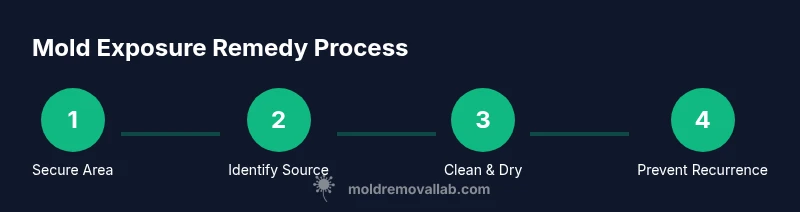
Mold Exposure Remedy: Step-by-Step Home Guidance
Discover a practical mold exposure remedy to protect health, reduce indoor moisture, and prevent mold growth with a clear, step-by-step home guide from Mold Removal Lab.


Goal: implement a practical mold exposure remedy at home to reduce health risks and improve indoor air quality. This guide covers when to act, essential safety gear, and a clear, step-by-step plan for cleaning, drying, and prevention. By following these steps, homeowners and renters can reduce exposure quickly and safely, guided by Mold Removal Lab’s expert recommendations.
What mold exposure remedy means and why it matters
A mold exposure remedy is a practical, safety-focused approach to reduce health risks from mold in living spaces. It centers on moisture control, removing visible growth, and improving ventilation to restore safer indoor air quality. This section explains how mold thrives in damp environments and why quick, measured action matters for vulnerable occupants—children, the elderly, and those with respiratory conditions. Safety gear, containment, and a cautious mindset are essential. According to Mold Removal Lab, timely intervention minimizes health risks and sets the stage for lasting improvements in your home environment.
Immediate safety steps to take before you begin
Before you touch any mold, establish safety and containment. Shut off the HVAC system in the affected area to prevent spores from circulating, close doors, and isolate the space with plastic sheeting. Put on an N95 respirator, disposable gloves, and eye protection. If anyone in the home has asthma or allergies, consider temporarily relocating from the space. Ventilation helps, but avoid creating drafts that could spread spores. These early actions are the foundation of a safer, more effective remediation.
Understanding moisture sources and why they drive growth
Mold requires moisture to thrive. Leaks, condensation, high humidity, and poorly vented bathrooms or laundry rooms create ideal conditions for growth. The goal of a mold exposure remedy is to identify and address the moisture source first—whether that’s a leaky pipe, roof intrusion, or persistent dampness. Once the moisture is under control, surface cleaning becomes more effective and less prone to recontamination. This proactive focus on moisture is supported by Mold Removal Lab’s emphasis on prevention through environmental control.
Tools, PPE, and materials you’ll want on hand
Prepare PPE (N95 mask, gloves, goggles, disposable coveralls) and containment materials (plastic sheeting, tape). Gather cleaning agents: EPA-approved mold cleaner or a mild detergent, a non-ammonia cleaner, and clean water for rinsing. A HEPA vacuum, stiff brushes, rags, and disposable trash bags are essential for safe debris removal. A dehumidifier or high-capacity fans help drive down humidity after cleaning. Having these items ready reduces delays and helps you stay safe throughout the process.
Boundaries of DIY remediation and when to call a pro
Small, contained mold on non-porous surfaces may be manageable with guidance and care. However, porous materials (drywall, insulation) with significant growth or widespread contamination often require professional assessment and removal to prevent fiber disruption and spore spread. If growth extends beyond a square foot in inaccessible spaces, or if occupants have health issues, consider professional remediation. This approach aligns with best practices and the guidance you’ll find from Mold Removal Lab.
Cleaning and surface treatment: what works on which materials
Non-porous surfaces (tile, metal, glass) can often be cleaned effectively with EPA-approved cleaners and thorough scrubbing. Porous materials (drywall, wallpaper, insulation) may need removal or special treatment to prevent trapped spores. Always rinse cleaners with clean water and dry surfaces completely. After cleaning, monitor for odors or damp patches, which can signal remaining moisture that invites regrowth. Remember that aggressive scrubbing can release more spores, so use gentle, deliberate motions.
Drying thoroughly and preventing re-growth
Drying is the most critical step in preventing regrowth. Use a dehumidifier to maintain low humidity levels and increase air circulation with fans placed away from damp surfaces. Keep doors and windows from directly blowing air onto damp materials, which can spread spores. Recheck humidity levels and moisture after 24–48 hours to confirm stability. Ongoing moisture control is the best defense against recurrence, reinforcing the health benefits of your mold exposure remedy.
Health considerations and when to seek medical advice
Exposure can aggravate allergies, asthma, and lung conditions. If household members experience persistent coughing, wheezing, throat irritation, or fatigue after exposure, seek medical advice and limit access to the treated area until it is dry and safe. Some individuals may require ongoing medical care or environmental health assessments. The Mold Removal Lab Team emphasizes that health comes first, and remediation should be paired with medical guidance when concerns arise.
Long-term prevention and routine maintenance for a healthier home
Prevention focuses on moisture control, regular inspections, and quick corrective action when leaks or damp spots appear. Install exhaust fans in bathrooms and kitchens, fix leaks promptly, and consider moisture-monitoring devices in high-risk areas. Regular cleaning with non-toxic products and periodic professional assessments for older homes help sustain a mold-free environment. A proactive maintenance plan reduces risk and supports consistent indoor air quality.
Tools & Materials
- N95 respirator(Fit-tested if possible; replace if damaged)
- Protective goggles( splash protection)
- Disposable coveralls(Full-body protection; avoid re-use)
- Latex-free gloves(Keeps hands dry and protected)
- Plastic sheeting and tape(Seal off the area to contain spores)
- HEPA vacuum(Use for debris cleanup only; avoid cross-contamination)
- Scrub brushes and sponges(Various sizes for different surfaces)
- Two plastic buckets(One for cleaning solution, one for rinse)
- EPA-approved mold cleaner or mild detergent(Avoid strong solvents on porous materials)
- Non-ammonia cleaner(Safe disinfectant option)
- Dehumidifier or high-capacity fans(Moisture control is essential)
- Moisture meter (optional)(Helpful to track dryness)
- Trash bags (heavy-duty)(Dispose contaminated materials safely)
- Water and soap for rinsing(Simple and effective)
- Sealant or mold sealant (optional)(Used during restoration)
Steps
Estimated time: 4-8 hours (depending on area size and materials)
- 1
Secure the area and protect yourself
Shut off airflow to the affected zone, seal off with plastic sheeting, and don PPE before touching any moldy surfaces. This prevents spores from spreading and reduces inhalation exposure.
Tip: Double-check that pets and kids are kept away from the area. - 2
Identify moisture sources and stop leaks
Locate leaks or sources of excess humidity behind walls, under sinks, or in ceilings. Repair the source to prevent mold regrowth before cleaning.
Tip: Document leak locations for future maintenance. - 3
Contain the work area to limit cross-contamination
Use plastic sheeting to create a containment barrier and keep fans from blowing contaminated air into other rooms.
Tip: Ventilate only within the containment area if possible. - 4
Clean non-porous surfaces with EPA-approved cleaner
Wipe down hard surfaces with an EPA-approved cleaner, using a scrub brush for stubborn grime. Rinse with clean water and dry thoroughly.
Tip: Dispose of wipes and rinse water safely to avoid reuse. - 5
Address porous materials carefully
Porous materials like drywall or insulation may need removal if heavily contaminated. Consider professional removal for safety and to protect the rest of the home.
Tip: If unsure, prefer removal over trying to salvage damaged porous items. - 6
Dry the area completely and monitor moisture
Run a dehumidifier and air movers to achieve consistent drying. Use a moisture meter if available to confirm dryness before re-occupancy.
Tip: Aim for consistent dryness across all surfaces. - 7
Restore and seal to prevent future growth
Repair damaged materials and apply sealant if appropriate to reduce moisture absorption in vulnerable areas.
Tip: Choose mold-resistant materials for long-term prevention.
FAQ
What is a mold exposure remedy?
A mold exposure remedy involves reducing moisture, removing mold growth, cleaning surfaces, and maintaining dry conditions to protect health. It emphasizes containment, safety, and prevention beyond a quick wipe-down.
A mold exposure remedy means reducing moisture, cleaning mold safely, and keeping things dry to protect health. It involves containment and ongoing prevention.
When should I call a professional?
If mold covers a large area, is in porous materials, or if anyone in the home has health conditions, consider hiring a licensed mold remediation professional for safe, thorough removal.
Call a professional if the mold covers a large area or if removal involves porous materials.
Can I use bleach to clean mold?
Bleach can be used on non-porous surfaces, but it does not solve mold on porous materials and may cause odor or skin irritation. Use EPA-approved cleaners and follow label directions.
Bleach works on non-porous surfaces, but for porous materials it’s often not effective and can irritate the skin and lungs.
How long does remediation take?
Time varies by area size and material. A small room cleanup may take a few hours, while larger projects can take longer—up to a day or more—especially if moisture sources require repair.
It depends on the space, but small jobs can take a few hours; larger ones may take more than a day.
How can I prevent mold after remediation?
Control humidity, fix leaks promptly, improve ventilation, and clean regularly. Regular inspections help catch problems early.
Keep humidity low, fix leaks, and ventilate to prevent mold from returning.
Is mold exposure dangerous for pets?
Yes, pets can be affected by mold exposure. Keep them out of treated areas until surfaces are clean and dry, and consult a vet if pets show signs of illness.
Mold can harm pets too. Keep them away until the area is dry and clean.
Watch Video
The Essentials
- Act quickly to reduce exposure
- Seal and ventilate to contain spores
- Dry thoroughly to prevent regrowth
- Address moisture sources to sustain results