What to Do About Black Mold: A Practical Guide
A practical, safety-focused guide for homeowners and renters on identifying, cleaning, and preventing black mold growth, with professional remediation guidance when needed.


If you find black mold, stop and act to minimize exposure, identify the moisture source, and decide between DIY cleanup for small patches or professional remediation for larger infestations. Start with containment, wear PPE, and ensure the area dries thoroughly after cleaning. This guide explains practical steps and safety considerations for what to do about black mold.
What is black mold and why it matters
Black mold, typically referred to as Stachybotrys chartarum, is a damp-loving fungus that can grow on cellulose-rich materials when moisture is present. Exposure can irritate the eyes, nose, and throat and may worsen asthma or allergies in sensitive individuals. For homeowners, the main concern is not just the visible spot but the moisture behind walls that feeds ongoing growth. According to Mold Removal Lab, early containment and moisture control are critical when confronting black mold in living spaces. In practical terms, you should address the water source first and plan remediation around safe, measured cleanup. This section explains the basics you need to know to decide whether you can safely proceed on your own or if you should bring in professionals.
Immediate safety steps when you discover black mold
The moment you see mold, stop disturbing the area and minimize exposure by avoiding touching it with bare hands, breathing fumes, or disturbing any spores. Put on an NIOSH-certified respirator, safety goggles, and gloves, and keep children and pets away. Close doors to the affected room, and turn off the HVAC system to stop spores from circulating through ducts. If you can safely access the source of moisture, shut it down or fix the leak to reduce ongoing growth. Open downstream ventilation to improve air flow, but avoid blowing dry air directly at the mold to prevent aerosolizing spores. Document the area with photos for reference if you will consult a pro later. Then, consider whether you need to call a licensed contractor for moisture control and structural assessment. When homeowners ask about safety and remediation, many ask what to do about black mold in walls or ceilings; the answer depends on size, location, and ongoing moisture. If the mold is small, contained to non-porous surfaces, and you can dry the area quickly, you may attempt a careful cleaning following best practices. If not, do not delay professional help, as hidden moisture and porous materials can hide extensive growth. In all cases, avoid using bleach on porous materials and never mix cleaners.
Assessing scope: DIY vs professional remediation
Before you act, you must gauge the scope. Small, isolated patches on non-porous surfaces (like tile) are more amenable to careful DIY cleaning, provided moisture sources are fixed and the area can be dried promptly. Larger infestations, growth behind walls, or moisture problems that persist require professional remediation. Mold Removal Lab analysis shows that moisture control and prompt drying are essential to prevent recurrence. A professional team will typically perform a moisture assessment, contain the area, remove affected materials if needed, and implement a post-cleaning drying plan to ensure mold does not return. The decision hinges on size, location, material porosity, and the underlying water problem.
DIY cleaning for small patches (non-porous surfaces)
For small patches on non-porous surfaces, you can clean using common household products with safety precautions. Start by wetting a cloth with a detergent solution, wipe the surface, and scrub stubborn areas with a stiff brush. Rinse with clean water and dry completely. After cleaning, apply a thin layer of protective coating or vinegar to discourage immediate regrowth and ensure the space dries thoroughly within 24–48 hours. Always ventilate the area and wear PPE during the process.
Dealing with moisture and drying: the moisture foundation
Mold growth thrives where moisture lingers. After cleaning, the critical step is thorough drying and moisture source elimination. Use a dehumidifier and fans to promote air movement, especially in closed rooms, bathrooms, basements, and crawl spaces. Fix leaks immediately and redirect any condensation away from walls and ceilings. Regularly monitor humidity levels, ideally keeping them below a level that promotes mold growth in your climate. By stabilizing moisture, you reduce the likelihood of rapid regrowth and help protect indoor air quality.
Cleaning strategies for different surfaces
Non-porous surfaces (glass, metal, tile) respond well to detergent cleaning and rapid drying. Porous materials (drywall, wood, fabric, carpet) trap mold spores and moisture, making it harder to completely remove mold and often necessitating replacement. For porous materials, focus on stopping moisture, removing severely affected sections, and sealing surrounding areas after cleaning. Use natural cleaners like white vinegar for initial treatment, and avoid aggressive chemical combos that can release fumes or discolor surfaces. If odors persist after cleaning, further assessment is warranted to identify hidden mold behind walls.
Prevention and long-term maintenance
Prevention is the best mold defense. Address leaks promptly, improve ventilation, and manage indoor humidity with dehumidifiers or air exchangers. Regular inspections after heavy rain, plumbing work, or high humidity can catch issues early. Consider sealing basements and crawl spaces, repairing roof and gutter leaks, and ensuring proper drainage away from the home. Keep areas around showers, tubs, and laundry rooms well-ventilated, drying towels promptly and cleaning frequently to minimize moisture accumulation.
When to call in professionals and what to expect
If mold covers a large area, penetrates structural materials, or moisture problems persist after DIY cleanup, seek professional remediation. A licensed mold remediation contractor will perform a thorough assessment, containment, removal of affected materials, and post-remediation verification. They may use professional-grade cleaners, HEPA filtration, and moisture-drying equipment to ensure a safe, long-lasting outcome. Documentation and a post-remediation report are common, which can be important for insurance and future home maintenance.
Tools & Materials
- NIOSH-certified respirator (P100 or equivalent)(Protects against mold spores; avoid using passive masks)
- Safety goggles(Eye protection against splashes and spores)
- Disposable coveralls or long sleeves(Minimize skin exposure and contamination spread)
- Nitrile or rubber gloves(Protect hands from cleaners and spores)
- Plastic sheeting (6 mil) and tape(Contain the work area to prevent spore spread)
- Detergent or dish soap(Basic cleaning agent for non-porous surfaces)
- White vinegar (5% or higher)(Antimicrobial cleaner for mold treatment on non-porous surfaces)
- Spray bottle and microfiber cloths(Gentle application and cleanup of surfaces)
- Stiff-bristled brush(Scrub stubborn mold from non-porous surfaces)
- Dehumidifier(Promotes drying and reduces surface moisture)
- Fans or air movers(Improve air circulation for faster drying)
- HEPA vacuum cleaner (optional but recommended)(Captures mold spores during cleanup)
- Moisture meter or hygrometer(Track humidity and drying progress)
- Replacement materials (drywall, insulation, fabrics) if heavily affected(Porous materials may need removal and replacement)
Steps
Estimated time: 4-8 hours (not including extended drying time)
- 1
Stop moisture source
Identify and fix the water source feeding the mold, such as a leaky pipe or roof. This step prevents ongoing growth and makes cleanup possible. Do not proceed until the moisture issue is under control.
Tip: Document the moisture source fix with photos for your records. - 2
Contain the area
Seal the workspace with plastic sheeting to prevent spores from spreading to adjacent rooms. Use tape at the seams and ensure doors are closed.
Tip: Keep window openings minimized to maintain controlled airflow. - 3
Put on PPE and prepare materials
Wear a respirator, goggles, and gloves. Gather detergents, vinegar, microfiber cloths, and tools before you begin cleaning.
Tip: Have a trash bag ready to dispose of contaminated materials safely. - 4
Clean the affected surface
Wipe surfaces with a detergent solution, scrub with a brush for stubborn spots, and rinse with clean water. Dry promptly after cleaning.
Tip: Do not mix cleaners that can create harmful fumes. - 5
Dry the area completely
Use a dehumidifier and fans to reduce humidity and speed up drying. Target stable humidity levels in the controlled space.
Tip: Recheck materials after 24–48 hours to confirm dryness. - 6
Inspect for hidden mold
Look behind baseboards, inside walls, and in damp spaces for signs of concealed growth. If found, treat or remove affected materials as needed.
Tip: If you see spreading, pause and reassess the area or call a professional. - 7
Document and plan next steps
Take photos before and after cleanup, save receipts, and determine whether remediation should continue with a professional. Confirm that the area remains dry before removing containment.
Tip: Keep records for insurance or future maintenance.
FAQ
Is black mold always dangerous to health?
Black mold can pose health risks, especially for people with allergies or asthma. The level of danger depends on exposure, the extent of growth, and the presence of moisture. It's important to assess exposure and proceed with safety-first remediation.
Black mold can affect health lines especially for sensitive individuals; assess exposure and follow safety-first remediation steps.
Can I clean black mold myself?
For small, clearly contained patches on non-porous surfaces, DIY cleaning is possible with proper PPE and moisture control. For larger areas or porous materials, professional remediation is usually necessary.
You can clean small, contained patches if you follow safety steps; for larger or porous areas, call a pro.
How do I know if there is hidden mold?
Hidden mold may exist behind walls or under flooring where moisture persists. Look for musty odors, damp spots, or prior water damage, and consider a professional moisture and mold assessment if you suspect hidden growth.
Hidden mold often shows as a musty odor or damp patches; a professional assessment can confirm.
Should I use bleach to kill mold?
Bleach is not always effective on porous materials and can create strong fumes. For many surfaces, detergent cleaning or vinegar is safer and effective; never mix cleaners.
Bleach isn’t always the answer, especially on porous materials; use safer cleaners and avoid mixing chemicals.
Will mold return after cleaning?
Mold can return if moisture sources aren’t fixed or if areas aren’t dried thoroughly. The key is to remove moisture, dry completely, and improve ventilation long-term.
If moisture isn’t controlled, mold can come back even after cleaning.
When should I call a professional remediation service?
If growth covers a large area, penetrates structural materials, or moisture problems persist after DIY efforts, a licensed remediation contractor is recommended to ensure safe, effective removal.
If the mold is extensive or moisture keeps returning, seek a licensed remediation professional.
Watch Video
The Essentials
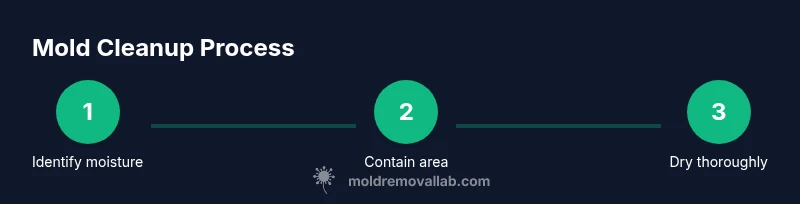
- Identify and fix the moisture source to stop ongoing growth
- Contain the area and wear proper PPE during cleanup
- Dry thoroughly to prevent recurrence
- Different surfaces require different cleaning approaches
- Know when to call a professional for extensive mold