How to Remove Black Mold: Safe, Practical Guide for Homes
Learn how to remove black mold safely with practical steps, PPE, moisture control, and prevention. This Mold Removal Lab guide explains when to DIY, cleaning methods, and how to prevent regrowth in your home.


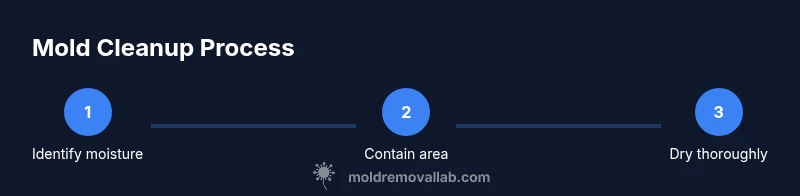
To remove black mold safely in your home, start by identifying the moisture source and isolating the area. Wear proper PPE, use approved cleaners, and dry the space thoroughly after cleaning. For small patches under 10 square feet, DIY is often sufficient; larger infestations or health concerns require a professional remediation team. Always avoid mixing cleaners and ventilate during cleanup.
What is black mold and why it's dangerous
Black mold, often referring to Stachybotrys chartarum, can produce mycotoxins that irritate the eyes, skin, and lungs, especially for children, the elderly, or people with asthma or immune issues. Not all mold that looks black is identical, and mold color can change as spores mature. The safe removal of black mold begins with confirming that you actually have mold growth and not simply dirt or mildew. According to Mold Removal Lab, the most reliable approach starts with addressing the moisture source that feeds the colony. Without moisture control, cleanup is temporary and mold can return quickly. For homeowners asking how to remove black mold, it’s critical to assess scope: small, isolated patches behind walls or under sinks may be manageable with DIY steps, while extensive growth that affects walls, ceilings, or HVAC ducts often requires professional remediation. In any case, safety, patience, and a deliberate plan are your best defense.
Assessing moisture and identifying mold growth safely
Mold thrives where moisture persists. Begin by locating leaks, condensation, or humidity sources. Use a moisture meter and inspect hidden areas behind drywall, under flooring, and inside cabinetry. The Mold Removal Lab Team emphasizes documenting moisture sources and mold extent with photos before starting cleanup. For safety, avoid tearing out materials or disturbing dusty patches without PPE. Once you know the extent, decide if DIY cleanup is appropriate or if a professional is needed for containment and larger remediation. Always ensure the area is ventilated, and consider a dehumidifier to keep relative humidity below 50%. If mold covers more than a small area or involves HVAC systems, contact a licensed remediation contractor.
PPE and safety guidelines for mold cleanup
Personal protective equipment (PPE) keeps you safe from mold spores and cleaning agents. Wear an N-95 respirator or higher, disposable gloves, and safety goggles or a face shield. Choose light-colored clothing that fully covers arms and legs to protect skin. Limit disturbance of moldy materials, seal off the work area with plastic sheeting, and avoid dry sweeping or fans that push spores into living spaces. Use a mild detergent solution or approved mold cleaners; never mix cleaners with ammonia or bleach, which can create dangerous gases. After cleaning, bag contaminated materials and dispose of them according to local guidelines. A thorough dry-out is essential; mold needs moisture-free conditions to stop regrowth. If you have asthma, allergies, or immune concerns, consult a professional before starting.
When to DIY vs when to call a professional
Small, isolated patches in non-occupied spaces with clear access may be suitable for DIY remediation, provided you follow safety protocols and properly dry the area. If mold covers large areas, penetrates porous materials (like drywall, insulation, or carpeting), or involves HVAC systems, a licensed mold remediation contractor is typically safer. Professionals can implement containment, negative air pressure, and post-cleanup verification. Remember that DIY methods might not fully remove mold from porous materials and could lead to regrowth if moisture returns. The Mold Removal Lab Team emphasizes safety and long-term results when making this decision.
Post-cleanup steps and prevention to stop regrowth
After cleaning, dry the area thoroughly using fans and dehumidifiers, then re-check for moisture or hidden mold signs. Repair leaks, insulate pipes, and improve ventilation to reduce humidity. Consider installing a humidity monitor or energy-efficient exhaust in bathrooms and kitchens. Cleaning products alone are not enough; select mold-safe cleaners and ensure porous materials are dried completely or removed if damaged. Regular inspections and prompt repairs are essential, along with maintaining indoor humidity below 50%. Mold can recur quickly in damp spaces, so ongoing vigilance is necessary to protect health.
Authoritative sources and continual learning
For further guidance, rely on established, evidence-based sources to inform your remediation plan. The following references provide official recommendations on mold, moisture control, and indoor air safety. Use these to corroborate your cleaning approach and post-remediation checks.
Practical next steps and health considerations
If you or your household members have respiratory issues, allergies, or immunocompromised status, consider seeking medical advice if mold exposure occurs. Use a professional remediation service when there is any doubt about the integrity of building materials or the safety of occupants. Doing so helps ensure not only immediate cleanup but also long-term health protection.
Tools & Materials
- N-95 respirator(Minimum PPE; replace after use and ensure proper fit)
- Chemical-resistant gloves(Long sleeves recommended; double-gloving optional for heavy cleaning)
- Safety goggles or face shield(Protect eyes from splashes and spores)
- Disposable coveralls(Optional; helps keep clothes clean in larger jobs)
- Scrub brushes and sponges(Different stiffness for porous vs non-porous surfaces)
- Buckets and detergent(Mild detergent solution for initial cleaning)
- Mold-safe cleaner (peroxide or approved product)(Do not mix with ammonia or bleach)
- Plastic sheeting and tape(Contain the work area to prevent spread of spores)
- Dehumidifier or high-CFM fans(Promotes rapid drying to prevent regrowth)
- Heavy-duty trash bags(Seal and dispose of contaminated materials safely)
Steps
Estimated time: 2-4 hours
- 1
Identify moisture sources and mold extent
Begin by locating water leaks, condensation, or high humidity that sustains the mold. Document the affected areas with photos and notes to guide containment and cleanup. Clarify whether the mold is localized or systemic to decide the appropriate remediation approach.
Tip: Take wide-angle photos from several corners to capture all affected surfaces. - 2
Prepare the work area and PPE
Put on the required PPE before touching moldy materials. Set up physical barriers with plastic sheeting to minimize spread. Remove or cover nearby belongings and ensure good ventilation without blowing spores toward living spaces.
Tip: Inspect fit and seal of your respirator before starting. - 3
Contain and isolate the contaminated zone
Seal off the space with plastic sheeting and tape, creating a controlled work zone. If possible, create negative air pressure to prevent spores from migrating. Minimize disturbance of moldy materials to reduce airborne spores.
Tip: Do not open doors or vents leading to other rooms during cleanup. - 4
Clean moldy surfaces with approved products
Wipe non-porous surfaces with a detergent solution, then apply an approved mold cleaner or dilute hydrogen peroxide as recommended. For porous materials that cannot be fully cleaned, consider removal and replacement. Never mix cleaners with ammonia or bleach.
Tip: Test a small area first to ensure no surface damage. - 5
Dry the area thoroughly
Use dehumidifiers and fans to reduce humidity and promote complete drying. Aim to keep the space below 50% RH and continue drying until no moisture is detected. Mold returns quickly in damp conditions, so this step is critical.
Tip: Check hidden cavities with a moisture meter after cleaning and drying. - 6
Inspect, monitor, and prevent future growth
After cleanup, inspect for residual mold and confirm there are no lingering moisture sources. Implement moisture control measures such as fixing leaks, improving ventilation, and using seals or insulation where needed. Schedule regular checks to prevent recurrence.
Tip: Keep a simple monthly moisture log to catch issues early.
FAQ
Is black mold dangerous to health, and should I be worried?
Yes, black mold can affect health, especially for sensitive individuals. It’s important to treat suspected infestations seriously and follow safety guidelines during cleanup.
Yes. Black mold can affect health, especially for sensitive people, so follow safety guidelines and consider professional help if in doubt.
Can I remove black mold myself?
Small, localized patches may be DIY with proper PPE and cleaning agents. Larger areas or growth inside walls or HVAC systems typically require professional remediation.
Small patches can be DIY with precautions; large infestations should be handled by a pro.
What PPE and precautions are essential for mold cleanup?
Wear an N-95 respirator or better, gloves, and eye protection. Contain the area with plastic sheeting and avoid disturbing damp materials.
Wear proper PPE and contain the area; avoid disturbing mold while cleaning.
What cleaners should I use for black mold?
Use detergent solutions or approved mold cleaners. Do not mix products with ammonia or bleach due to toxic gases.
Use approved cleaners and never mix cleaners; avoid ammonia or bleach together.
How long does mold remediation take?
Timeline depends on scope. Small jobs may complete in hours, while larger infestations can take days and require professional scheduling.
Timing varies with scope—small jobs in hours, larger ones may take days.
When should I hire a professional remediation service?
If mold covers a large area, penetrates porous materials, or involves HVAC systems, professional remediation is advised for safety and efficacy.
Hire a professional when the mold is extensive or affects building systems.
Can after-cleanup monitoring prevent regrowth?
Yes. Post-cleanup monitoring and humidity control help ensure mold does not return. Regular inspections support long-term prevention.
Post-cleanup monitoring helps prevent regrowth with humidity control.
The Essentials
- Assess moisture before cleanup.
- Use proper PPE and approved cleaners.
- Dry thoroughly to prevent regrowth.
- Know when to hire professionals.