Mold or Black Mold: Identification, Safety, and Safe Removal
Practical guidance for homeowners and renters on identifying mold or black mold, understanding health risks, and performing safe, small-area remediation with professional help when needed.


You’ll learn how to identify mold or black mold, assess related safety risks, and perform a safe, small-area remediation. This quick guide covers essential safety gear, practical cleanup steps, and when to escalate to professional help. You’ll also learn how to document moisture sources, prevent re-growth, and distinguish between DIY-friendly tasks and situations that require licensed remediation for porous or extensively damaged materials.
What is mold or black mold?
Mold is a fungal growth that thrives where moisture is present. The term black mold is commonly used to describe certain species, especially Stachybotrys chartarum, though color can vary and many species appear black or dark green. Identifying mold requires more than color; texture, growth pattern, and moisture history matter. According to Mold Removal Lab analysis, damp indoor environments with insufficient ventilation create ideal conditions for mold growth and enable spore release. In most homes, mold starts small on damp surfaces like bathroom grout or window sills, but it can spread quickly if moisture isn’t controlled. While any mold should be treated seriously, the health risk depends on exposure duration, the materials involved, and individual sensitivities. Understanding the difference between common mold and black mold helps homeowners decide whether DIY cleaning is appropriate or if a licensed remediation contractor is required. Keep in mind that porous materials (drywall, plywood, insulation) may require removal if growth is extensive, while non-porous surfaces (tile, glass, metal) are often cleanable with proper technique.
Key takeaway: mold is moisture-driven; identifying the source and addressing moisture is the foundation of safe remediation.
Health risks and safety when dealing with mold
Exposure to mold can irritate eyes, skin, and the respiratory system, and some people may experience allergic reactions or asthma-like symptoms with prolonged exposure. The health impact depends on the mold type, concentration, and a person’s sensitivities. Black mold is often associated with higher moisture and can pose greater risks for children, the elderly, and those with compromised immune systems. Even when symptoms are mild, repeated exposure can accumulate health effects over time. Practical safety steps include using PPE, ensuring good ventilation during cleanup, and avoiding disturbed mold growth that can release spores into the air. If you notice persistent symptoms after a cleaning attempt, seek medical advice and consider professional remediation. Mold can also indicate hidden moisture problems, which, if ignored, will lead to recurring growth.
How mold spreads and thrives in homes
Mold spreads primarily by airborne spores that can travel through vents, gaps, and open doorways. It thrives in environments with moisture from leaks, humidity, or condensation, and it favors warm, damp locations like bathrooms, basements, laundry rooms, and kitchens. Once established, mold can grow on a wide range of materials, from non-porous surfaces to certain porous substrates after moisture intrusion. Controlling humidity levels, fixing leaks promptly, and improving ventilation are the most effective long-term strategies. Regular inspection for hidden water damage behind walls, under sinks, and in attics helps prevent surprise outbreaks and costly repairs down the line.
Pro tip: inspect areas with prior water exposure first, as they are the most likely to harbor unseen mold.
Immediate safety steps before cleaning
Before any cleanup, ensure you understand the scope and risks. Start by turning off fans and HVAC if they circulate air into the uncontained area to prevent spreading spores. Put on a properly fitted respirator (N95 or higher for mold), protective goggles, and disposable gloves. Isolate the space with plastic sheeting to contain spores, and seal off doorways and vents if needed. Keep children and pets away during remediation. Do not disturb mold growth aggressively, as that can release more spores into the air. If the growth is extensive or on porous materials, stop and seek professional assessment. Documenting moisture sources helps prevent re-growth after remediation.
DIY remediation for small, non-porous areas
For small, surface-only mold on non-porous surfaces, a careful cleaning approach can be appropriate. Prepare a cleaning solution from a mild detergent or a 1:10 bleach-to-water mix if appropriate for the surface, and apply with a sponge or cloth, rinsing frequently. Use a disposable cloth or wipe to prevent cross-contamination, and dispose of contaminated materials in sealed bags. After cleaning, dry the area completely and re-check for any remaining growth within 24–48 hours. If mold returns or you notice dampness, escalate to professional remediation to avoid health risks and structural damage.
Note: never combine bleach with ammonia or acidic cleaners, as toxic fumes can form. Always ventilate the space during cleaning.
When to call a professional and how they assess a site
Professional mold remediation is recommended for large areas, porous materials, or growth beyond a few square feet. A licensed contractor will assess moisture sources, containment needs, and material salvageability, often using moisture meters, thermal imaging, and air sampling when appropriate. They will outline a remediation plan, including containment, cleaning methods, and disposal procedures, while protecting occupants from exposure. Professionals also address hidden moisture issues and provide guidance on preventing re-growth through moisture control and ventilation improvements.
Action item: if you are unsure about the extent of growth or if you notice health symptoms during or after cleaning, contact a professional for a thorough evaluation.
Long-term prevention and moisture control
Prevention is the best defense against mold recurrence. Maintain indoor humidity generally between 30–50%, fix leaks promptly, and improve ventilation in moisture-prone areas. Regularly check bathrooms, basements, and kitchens for condensation, staining, or musty odors, and address any moisture problems immediately. Consider using exhaust fans, dehumidifiers in damp spaces, and air-purifying devices with HEPA filtration if appropriate for your space. Documentation of moisture improvements helps with future inspections and can reduce the likelihood of future outbreaks.
Tools & Materials
- N95 respirator (fit-tested)(Protects against mold spores; ensure proper seal)
- Protective goggles or full-face shield(Eye protection against splashes and spores)
- Nitrile or latex gloves(Use disposable gloves; double-glove if heavily contaminated)
- Disposable coveralls or old clothing(Keeps personal clothing clean and prevents contamination)
- Plastic sheeting or painter's tape(Contain the work area to prevent spore spread)
- Spray bottle with water and mild detergent(Pre-clean surfaces and reduce dust)
- Bleach solution (optional, for non-porous surfaces)(1:10 bleach-to-water can kill mold on non-porous surfaces)
- Disinfectant wipes or sponges(For final wipe-down on non-porous areas)
- Trash bags (heavy-duty)(Seal and dispose of contaminated materials)
Steps
Estimated time: 60-90 minutes
- 1
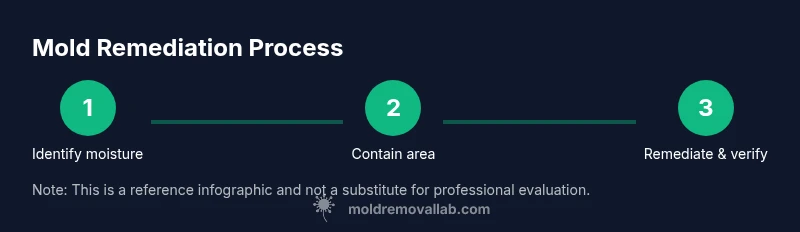
Identify moisture source and contain the area
Locate the leak or moisture source and control it. Set up plastic sheeting to isolate the contaminated area and minimize spore spread through doors, vents, and HVAC systems.
Tip: Document moisture sources to prevent re-growth after cleanup. - 2
Put on PPE and set up containment
Don PPE before approaching the mold. Establish containment by sealing off the area and ensuring others stay out during remediation.
Tip: Check PPE fit; a poor seal reduces protection. - 3
Dry the area thoroughly
Use fans and a dehumidifier to achieve thorough drying. Keep air moving but avoid blowing air directly at mold growth to limit spore dispersal.
Tip: Aim for humidity below 50% where feasible. - 4
Clean non-porous surfaces
Wipe surfaces with a detergent solution; rinse and dry completely. For non-porous materials, a bleach solution can be used if appropriate for the surface.
Tip: Rinse and dry after cleaning to prevent re-growth. - 5
Assess porous materials for salvageability
Porous materials like drywall or insulation with visible mold may require removal. Do not attempt to salvage extensively contaminated materials.
Tip: When in doubt, document and consult a pro. - 6
Sanitize and re-check after 24–48 hours
Re-inspect the area after cleaning and drying. If new growth appears, escalate remediation with professional help.
Tip: Keep a moisture log to track improvements. - 7
Repair, improve ventilation, and monitor
Fix the root cause (leaks, condensation, poor ventilation). Install or upgrade exhaust fans and consider a dehumidifier to maintain safe humidity levels.
Tip: Routine maintenance prevents recurrence.
FAQ
What is the difference between mold and black mold?
Mold refers to many species that can grow indoors; black mold is a common nickname for a dark species (often Stachybotrys chartarum). Identification should focus on humidity, growth pattern, and material affected rather than color alone. Safety concerns are higher with visible growth on porous materials, and professional assessment is recommended in uncertain cases.
Black mold is a type of mold, but the key risk is exposure and location. If you see mold on porous materials or have health concerns, treat it seriously and seek guidance.
Is black mold dangerous to health?
Exposure can irritate the eyes, skin, and lungs, especially for sensitive individuals. Prolonged exposure or heavy growth may worsen symptoms. Always minimize exposure and consider professional remediation for large areas or porous materials.
Yes, it can be risky; limit exposure and consult a professional for large or ongoing growth.
Can I remove mold myself?
Small, non-porous mold on hard surfaces can sometimes be cleaned safely with proper PPE and cleaning solutions. Porous materials, large areas, or growth behind walls should be addressed by a professional to ensure containment and complete removal.
You can handle small spots on non-porous surfaces, but big jobs should be left to pros.
What signs indicate a moisture problem?
Visible mold growth, musty odors, water stains, and condensation on surfaces signal moisture problems. Fix leaks promptly and improve ventilation to prevent mold from returning.
Look for musty smells and visible growth as signs to investigate moisture sources.
How long does remediation take?
Time varies by area size, material type, and contamination level. Small, non-porous areas may be resolved in hours, while extensive growth on porous materials can require days and professional equipment.
It depends on size and materials; smaller jobs are quicker, larger ones take more time.
Should I test for mold before cleaning?
Testing is optional for many homes. If growth is obvious or you have health concerns, a professional can test to assess indoor air quality and guide remediation decisions.
Testing isn’t always needed; a pro can test if you’re unsure.
What safety equipment do I need?
Wear an N95 or higher respirator, protective goggles, and disposable gloves. Coveralls or old clothing help contain contamination, and seal the work area to prevent spread.
Protect yourself with proper PPE and keep others away during cleanup.
Watch Video
The Essentials
- Identify moisture sources before cleaning
- Prioritize safety gear and containment
- Dry thoroughly to prevent regrowth
- Limit removal to small, non-porous areas when DIY
- Call a professional for porous materials or large-scale growth