Water Damage and Mold Removal: A Practical, Safe Guide for Homeowners
Learn safe, effective water damage and mold removal techniques for homeowners. This step-by-step guide covers safety, containment, moisture control, cleaning methods, and prevention to protect your home from future damage.


You will learn a safe, step-by-step approach to water damage and mold removal. This guide covers initial safety checks, containment, moisture control, cleaning methods, and when to call a professional. Following the process reduces health risks and helps prevent regrowth, making your home safer and drier. Mold Removal Lab supports these recommendations with practical, homeowner-focused guidance.
Understanding water damage and mold risks
Water intrusion can create conditions that mold thrives in within 24-48 hours. Water damage and mold removal require timely action to minimize health risks and structural damage. This section explains how moisture and temperature drive mold growth, how porous materials can harbor spores, and why early intervention matters for safety and long-term home integrity. We'll contrast minor dampness with active growth, and outline signs to watch for, including musty odors, visible stains, and warped materials. According to Mold Removal Lab, early recognition is key to successful remediation and to prevent recurring problems. Understanding these risks helps homeowners prioritize steps and communicate clearly with contractors.
Safety and initial assessment
Personal protective equipment (PPE) is essential. Wear an N95 respirator, goggles, and gloves; ensure ventilation but avoid spreading spores to other rooms. Before entering, cut power to affected circuits if there is standing water and never work on drywall that is severely soaked or structurally compromised. Conduct a quick assessment: Is the area safe to enter? Do you see any electrical hazards or gas lines? If you have a severe flood or visible asbestos or lead concerns, stop and call a licensed pro. According to Mold Removal Lab, if you’re unsure about hazards, stop and contact a professional.
Containment and moisture control basics
Containment minimizes cross-contamination. Use plastic sheeting to seal off the affected area, create a temporary negative pressure if possible, and avoid tracking moisture to other parts of the home. Keep humidity below 50% where feasible during work and run a dehumidifier or air mover to accelerate drying. Monitor progress with a moisture meter and document readings to determine when the area is dry enough to proceed with cleaning. Effective containment reduces the chance of mold spores migrating to clean spaces and makes subsequent work safer.
Cleaning methods for water-damaged materials
Porous materials that have absorbed water (drywall, insulation, carpet padding) are often irreversible and should be removed and replaced rather than cleaned. Non-porous surfaces (tiles, glass, metal) can typically be cleaned with detergent and water, followed by a EPA-registered disinfectant. Always work from cleaner to dirtier areas to avoid spreading mold. After cleaning, dry all surfaces completely and vacuum with a HEPA-filter vacuum if available to capture spores. Do not mix bleach with ammonia and avoid aggressive mechanical scrubbing on fragile surfaces to prevent damage. As a general rule, if there is visible mold growth beyond 10 square feet, or if the area is porous, consult a professional.
When to call a professional and how to choose one
Consider calling a professional if you encounter extensive mold growth, structural damage, sewage contamination, or if moisture remains trapped after repeated drying attempts. Ask for a licensed mold remediation contractor with experience in water-damage scenarios, request before-and-after photos of previous jobs, and verify they will provide a moisture-control plan and a post-remediation test. Be sure to obtain a written inspection report and a clear scope of work with cost estimates. The Mold Removal Lab team recommends prioritizing licensed professionals for significant or uncertain situations.
Prevention and long-term maintenance
Prevention hinges on rapid moisture control: fix leaks promptly, improve drainage away from the foundation, and ensure proper bathroom and kitchen ventilation. Use dehumidifiers in damp areas, run exhaust fans during and after showers, and seal crawl spaces or basements to reduce humidity. Regularly inspect pipes, windows, and roofs for signs of moisture intrusion, and address mold smells or stains promptly to prevent recurrence. Ongoing maintenance saves money and protects occupant health over time.
Tools & Materials
- N95 respirator mask(Fit-tested if possible)
- protective goggles(Splash protection)
- chemical resistant gloves(Long sleeves recommended)
- plastic sheeting (6 mil or heavier)(To seal off areas)
- tape (polyethylene-backed)(For seals and barriers)
- dehumidifier(Aim for RH below 50%)
- moisture meter / hygrometer(Monitor drying progress)
- HEPA-filter vacuum(If available for debris and spores)
- detergent/soap(Mild, non-ammonia base)
- EPA-registered disinfectant(Use as directed)
- bucket and sponge(For cleaning steps)
- trash bags (heavy-duty)(For contaminated materials)
Steps
Estimated time: 3-6 hours
- 1
Assess safety and scope
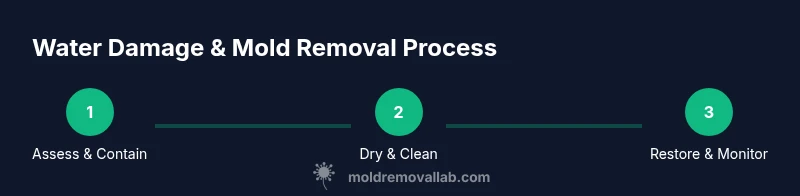
Survey the area for hazards, shut off power if water is present, and note the extent of damage. Determine whether mold growth is visible and if structural integrity is compromised. Document initial conditions with photos for reference and future comparisons.
Tip: Do not enter areas with standing water if you cannot safely deactivate power or if you suspect structural collapse. - 2
Contain the affected area
Seal the space with plastic sheeting to limit spore spread. Use tape to secure the barriers and create a negative-pressure feel if possible. Keep clean areas separate from the damp zone.
Tip: Create a dedicated entry/exit path for contaminated materials to avoid cross-contamination. - 3
Protect yourself with PPE
Put on an N95 mask, goggles, and gloves before handling any damp materials. Wear protective clothing you can launder or discard after the job. Avoid touching your face while working.
Tip: Check respirator fit and seal before starting; a poor seal reduces protection. - 4
Stop the moisture source and begin drying
Repair leaks or remove standing water where feasible. Use dehumidifiers and air movers to reduce humidity and speed up drying. Recheck moisture levels at intervals to confirm progress.
Tip: Drying should continue until surfaces read consistently below 50% RH. - 5
Clean and sanitize non-porous surfaces
Wash non-porous surfaces with detergent and water, then apply an EPA-registered disinfectant. Rinse lightly if required and dry completely. For porous items, assess whether cleaning is feasible or if disposal is necessary.
Tip: Work from the clean side to the dirty side to minimize contamination spread. - 6
Address porous materials
Porous materials like drywall, carpet padding, and insulation often cannot be effectively cleaned and should be removed and replaced. Bag and seal contaminated debris for proper disposal.
Tip: If you’re unsure whether to salvage, opt for replacement to prevent hidden mold growth. - 7
Verify decontamination and dry-out
Reassess the area for remaining moisture and visible mold. Use the moisture meter to confirm drying goals are met. Repeat cleaning if spores are still present.
Tip: Document readings and compare against initial conditions to gauge progress. - 8
Restore and monitor
Plan restoration once the area is completely dry. Implement moisture-control strategies (ventilation, proper drainage) to prevent recurrence. Schedule follow-up checks to ensure long-term success.
Tip: Set up a moisture-monitoring routine in the first weeks after cleanup.
FAQ
What should I do first after noticing water damage?
Prioritize safety: shut off power if needed, remove standing water if you can do so safely, and begin documenting the area with photos. Then assess for mold growth and plan containment.
First, ensure safety, remove standing water if safe, and start documenting the damage before beginning cleanup.
Can I remove mold myself?
For small, non-porous areas with limited growth and proper PPE, cleaning can be done carefully. Larger areas or porous materials typically require a professional to ensure complete removal and prevent regrowth.
Small, non-porous mold can be cleaned safely with PPE; bigger or porous areas should get a pro.
How long does remediation typically take?
Timeline depends on area size, materials affected, and moisture levels. A typical home project may take several hours to a few days, including drying and restoration.
Remediation can take hours to a few days, depending on extent and drying time.
What materials are most at risk for mold?
Porous materials like drywall, carpet padding, and insulation absorb moisture and are harder to clean. Non-porous surfaces are easier to sanitize.
Porous materials are more prone to mold and often need replacement.
Is bleach effective for mold removal?
Bleach can be effective on non-porous surfaces in some cases, but it does not reach into porous materials. Use other cleaners and follow safety guidelines.
Bleach can help on non-porous surfaces, but porous materials may require different approaches.
Watch Video
The Essentials
- Act quickly to limit moisture and mold growth.
- Contain and protect areas to prevent cross-contamination.
- Dry thoroughly before cleaning to avoid spreading spores.
- Replace porous materials when contaminated, not just cleaned.