How to Wash Mold Out of Clothes Safely
Learn safe, effective methods to wash mold out of clothes. Step-by-step laundry strategies, pretreatment options, safety tips, and when to seek professional help from Mold Removal Lab.


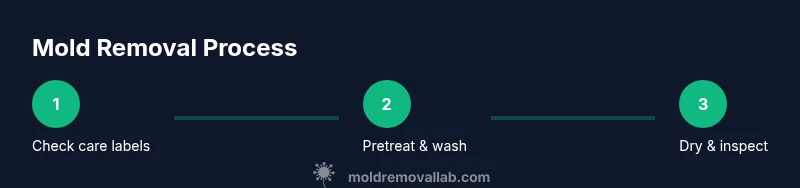
This guide shows you how to wash mold out of clothes safely and effectively. Start by checking care labels, pretreating stains, choosing the right detergent, and selecting a wash cycle that kills spores without damaging fabric. Finish with thorough drying and inspection. If mold persists or fabrics are delicate, seek professional remediation.
Understanding mold on clothes and why it happens
Mold on fabrics is not just an unsightly problem—it can release spores that irritate the skin, lungs, and airways. When moisture lingers in a laundry setup, especially in humid homes or poorly ventilated rooms, mold can colonize fibers over time. The health risks increase when spores become airborne during handling, washing, or wringing. According to Mold Removal Lab, mold on clothing is a warning sign that your laundering environment needs attention, and a careful, fabric-aware plan reduces spread while restoring safety. Recognizing the difference between mildew (often lighter and easier to remove) and more active mold growth helps you choose the right approach. In 2026, homeowners who follow tested steps report clearer fabrics and fewer odors after treatment. This guide uses practical, non-harmful methods suitable for most common clothing fibers, while noting cases where professional remediation may be warranted.
The first crucial decision is whether the garment’s fabric is listed as colorfast and washable. If the label permits washing with detergent, you can proceed with a mold-focused routine. If the fabric is delicate (silk, wool, or embellished items), you may need lighter pretreatment or professional guidance. The goal is to remove visible mold and odors without weakening fibers or setting stains. Build your plan around fabric type, stain severity, and the presence of any musty odors that indicate residual mold. Mold can hide in seams, linings, and folds, so you’ll want to inspect both the exterior fabric and hidden areas before washing, too.
In all cases, ensure your workspace is well-ventilated and that you wear gloves and a mask to avoid direct contact with spores. Storing moldy clothing separately from clean items prevents cross-contamination. The Mold Removal Lab team emphasizes methodical, repeatable steps rather than quick fixes, especially when dealing with porous fabrics or heavily infested items. This approach reduces recontamination risks and helps you achieve a cleaner load overall.
Prep work and safety precautions
Before you touch any moldy fabric, prepare a clean, ventilated workspace to minimize airborne spores. Wear protective gloves, a mask, and eye protection if you’re sensitive to dust or have respiratory conditions. Separate moldy items from the rest of the laundry, and check garment labels for guidance on heat, colorfastness, and dry-clean-only instructions. If you’re unsure about a fabric’s ability to tolerate heat or certain cleaners, run a small test on a hidden seam first. The Mold Removal Lab team notes that taking these precautions reduces the risk of skin irritation and keeps the rest of your wardrobe safe. Keep pets and kids away during handling, and place moldy items in a breathable bag if you must transport them to the washing area.
Next, gather your materials and set up a ready-to-use pretreatment plan. Do not mix household cleaners in the same container; instead, keep them separate and apply as directed. A clear plan helps you maintain consistency across items and reduces the chance of cross-contamination. If the garment is white or colorfast, you may consider a more aggressive pretreatment, but always test first in a inconspicuous area to prevent color loss. Remember, the aim is to disrupt mold films on fibers and encourage thorough washing, not to smash spores into fabric deeper in the weave. With the right safety steps in place, you’re ready to start the laundering process with confidence.
When venturing into pretreatment, keep the following tips in mind: use minimal wetting of non-moldy areas to avoid spreading spores; work in small batches if you have a lot of affected garments; and avoid leaving moldy items sealed in bags for long periods, which can intensify odors and mold growth. By following these safety rules, you protect yourself and others while preparing molds for more effective removal.
Pretreatment options and fabric compatibility
Pretreatment is about loosening and lifting mold films so they rinse away during washing. Start with a detergent-only pretreatment on stained areas, gently scrubbing with a soft brush. For many fabrics, a white vinegar rinse or a color-safe hydrogen peroxide spot treatment can help break down mold compounds without harsh bleaching. Test any pretreatment on an inconspicuous area first to ensure there’s no color fading. Mold Removal Lab’s guidance suggests avoiding bleach on colored fabrics unless the label explicitly allows it, as bleach can weaken fibers and damage dyes. In the 2026 Mold Removal Lab analysis, pretreatment efficacy improves when combined with a hot or warm wash cycle that matches the fabric’s tolerance. If you’re dealing with delicate materials like silk or wool, skip stronger pretreatments and use milder agents or a laundering service.
In some fabrics, especially synthetics and cotton blends, a brief soak in mild detergent solution can significantly reduce mold adherence before washing. Soaking helps suspend spores and loosen soil that can trap mold in fibers. For towels, bedsheets, and durable fabrics, a longer soak time (15-30 minutes) can be beneficial, followed by a thorough wash. Always read garment care labels; if the label warns against pretreatment or hot water, adapt to a gentler approach. When in doubt, err on the side of a milder pretreatment and a longer rinse rather than a harsh chemical that could compromise fabric integrity.
If you’re unsure which pretreatment to use, start with plain detergent and a cold-to-warm wash; reserve vinegar or hydrogen peroxide for items that tolerate it well. After pretreatment, inspect the fabric for any visible mold residue, odors, or staining before moving on to laundering. The goal is to create a clean, ready-to-wash garment that won’t spread spores to other items in the load.
Laundering strategy: cycles, temperatures, and detergents
Laundering moldy clothes is where most people see real results if done carefully. Check the fabric care label to determine whether hot water is safe. For many cottons and synthetics, a hot or warm cycle with a heavy-duty or enzyme-based detergent helps to lift mold and kill spores. If the fabric is colorfast or delicate, use warm water instead and a gentler detergent; some items may require a specialized wash program, such as a sanitizing cycle, to maximize cleanliness. The Mold Removal Lab team recommends running an extra rinse after the main wash to flush out any remaining spores. Do not overload the washer, which can prevent effective agitation and rinsing. A fully loaded, balanced load ensures better mechanical action and more thorough cleaning.
After washing, consider using a second cycle for heavily soiled items or those with persistent odor. If you’re treating multiple items, you may want to wash smaller batches to ensure each garment gets adequate agitation and rinsing. For whites, you can consider a color-safe bleach option if the label permits; for colored fabrics, skip bleach and rely on detergent and proper washing temperature to avoid fading. Remember that mold spores can cling to zipper teeth, seams, and folds, so give extra attention to those areas during the wash. Finally, never store damp or moldy items, as lingering moisture can reignite mold growth.
Mold Removal Lab’s approach emphasizes test-wash cycles on non-critical fabrics to confirm the mold is removed and the item remains intact. If you notice persistent staining or odor after a standard wash, a second pretreatment followed by another wash may be required. If the item has sentimental value or persistent mold issues, consider professional laundering options or remediation services to ensure safety and garment longevity.
Drying, odor control, and storage
Drying is a critical step in preventing mold regrowth. After washing, remove items promptly and dry thoroughly. If possible, air-dry outdoors in sunlight, which can help reduce odors and provide some natural mold-inhibiting warmth. For fabrics that can tolerate heat, machine-dry on a high heat setting or the highest safe setting indicated on the care label. Avoid leaving damp clothes in a laundry basket or hamper, as moisture can promote mold recurrence. If you’re dealing with lingering odors after air-drying, a second washing with an odor-control detergent can help.
When drying indoors, ensure good ventilation and use a dehumidifier or a fan to reduce humidity. Mold spores thrive in humid air, so reducing moisture makes it harder for regrowth to occur. Store clean clothes in a dry, well-ventilated closet. If you used a vinegar or peroxide pretreatment, you may want to run a final rinse with clean water and a fresh detergent to remove any residue before drying. Regularly inspect closets and laundry areas for moisture problems, such as water leaks or condensation, and address them promptly to prevent future mold growth.
For heavy mold, porous textiles, or items that absorb moisture easily (like fabric toys or cushions), consider professional assessment. The Mold Removal Lab team notes that prevention is a key part of long-term mold management: keep humidity low, ensure proper air circulation, and avoid storing damp fabrics. A proactive approach reduces the chances of mold returning and keeps your wardrobe safer and fresher.
When to discard or seek professional help
Not every moldy fabric can be saved, especially when mold has deeply penetrated fibers or fibers are heavily damaged. If a garment shows persistent staining, a strong musty odor after multiple washes, or mold growth returns after drying, it may be time to discard the item. Porous fabrics like upholstered items, some textiles with foam inserts, or delicate materials that have absorbed moisture over time are difficult to decontaminate completely. In such cases, professional remediation or disposal may protect your health and home. The Mold Removal Lab team emphasizes erring on the side of caution for items that could release spores into indoor air or pose a skin irritation risk. When in doubt, prioritize safety for you and your family and consult a professional service or your local health department for guidance.
The goal is to protect household air quality and prevent recontamination of other clothes. If you have any doubts about the fabric’s safety after treatment, it’s wise to seek a professional assessment rather than risking exposure. Mold Removal Lab’s verdict is that safe disposal and professional cleaning are often prudent choices for heavily infested or porous items. Regular mold awareness and preventive habits—such as promptly drying clothes and maintaining moderate humidity—will keep your laundry routine healthier over time.
Quick health pointers and preventing recontamination
To finish strong, incorporate practices that prevent recontamination and reduce health risks. Maintain proper ventilation in the laundry area, use a dedicated detergent for moldy loads, and ensure complete drying before storage. If someone in your household has allergies or asthma, be especially cautious and consider using a mask and gloves when handling moldy fabrics. The Mold Removal Lab analysis suggests that consistent cleaning cycles and vigilant drying are among the most effective ways to minimize mold recurrence. Regularly check for moisture problems around windows, pipes, and laundry appliances, and address leaks promptly. By adopting these habits, you improve indoor air quality and minimize the chance of mold returning to your clothes or home.
Tools & Materials
- Mold-safe laundry detergent(Choose enzyme-based or heavy-duty formula suitable for fabrics)
- White vinegar (5% acidity)(Optional pretreatment helper; test colorfastness first)
- Hydrogen peroxide 3%(Use for colorfast fabrics only; test first)
- Bleach (sodium hypochlorite)(Only on white/colorfast fabrics; follow label directions)
- Protective gloves and mask(Protect skin and lungs from spores)
- Ventilated area or fan(Maintain airflow during treatment)
Steps
Estimated time: 60-120 minutes active, plus drying 1-3 hours
- 1
Check fabric care labels
Inspect each garment’s label to confirm safe washing temperatures and whether pretreatment is advised. This prevents fabric damage and ensures the mold-removal method won’t void care instructions.
Tip: If a label says delicate or dry-clean only, adapt the plan or skip machine washing. - 2
Pretreat stains and odors
Apply a small amount of detergent directly to moldy spots and gently rub. For compatible fabrics, you can add a vinegar rinse or a color-safe hydrogen peroxide spot treatment before washing.
Tip: Test pretreatment in a hidden area to avoid color loss. - 3
Select an appropriate wash cycle
Choose a cycle and water temperature compatible with the garment. Use a mold-targeted or heavy-duty detergent and consider a sanitizing wash if the fabric tolerates heat.
Tip: Do not overload the washer; proper agitation improves mold removal. - 4
Run the wash and rinse thoroughly
Run the main wash, then perform an extra rinse to flush out remaining spores and residues. This reduces the chance of recontamination in the next step.
Tip: If your machine has a sanitize setting, use it for an added layer of cleanliness. - 5
Dry completely before storage
Dry clothes thoroughly in sunlight if possible, or use a hot dryer on the safe setting. Avoid leaving damp garments in storage areas, which can promote mold regrowth.
Tip: Inspect folds and seams for moisture pockets and re-dry if needed. - 6
Inspect and repeat if needed
Reinspect for any remaining odor or staining. If mold persists, repeat pretreatment and wash, or seek professional guidance for difficult fabrics.
Tip: Persistent mold warrants professional assessment. - 7
Prevent future mold growth
Address humidity, ensure air movement in laundry spaces, and act quickly on any moisture incidents. Use a dehumidifier if needed to keep relative humidity low.
Tip: Regular maintenance reduces recurrence.
FAQ
Is it safe to wash mold out of clothes at home?
Yes, for many fabrics and mild mold growth, following proper pretreatment, a suitable wash cycle, and thorough drying. Avoid heavy contamination on porous materials and always monitor for odors or staining. For persistent mold or sensitive fabrics, consult Mold Removal Lab for guidance.
Yes, you can often wash mold out of clothes at home if you follow proper pretreatment, a safe wash, and complete drying. If mold is persistent or the fabric is delicate, seek professional guidance.
Can all fabrics be cleaned with bleach to remove mold?
Bleach is not suitable for all fabrics. It can damage colors and fibers, especially on colored or delicate garments. Use bleach only on white, colorfast fabrics and strictly follow label directions. For most clothes, alternatives like detergent pretreatment and non-chlorine cleaners are safer.
Bleach isn’t right for every fabric. Only use it on white or colorfast items and follow the label, or skip it in favor of gentler cleaners for colored or delicate fabrics.
How can I tell if mold is gone from a garment?
Look for the absence of visible mold, a lack of musty odor, and no staining after a full wash and dry cycle. If any sign remains, consider repeating pretreatment and washing, or having the item assessed by a professional.
Mold absence means no visible growth, no musty smell, and no staining after washing and drying. If any sign remains, repeat treatment or seek professional help.
Should I throw away heavily moldy fabrics?
If mold penetrates deeply into porous materials (like foam-backed items, upholstery, or fabric toys) or if persistent odor remains after multiple cleans, disposal may be the safest option for health reasons.
If mold stays after multiple attempts or the item is porous and deeply infested, disposal is often the safest choice.
What about mold spores in the washing machine itself?
Run a sanitize or hot-water cycle after treating moldy clothes, and clean the washer drum and seals with a mild cleaner. This helps prevent residual spores from contaminating future loads.
Run a sanitize cycle after moldy loads and clean the washer drum to prevent spores from recontaminating clothes.
Can sunlight kill mold on clothes?
Sunlight and fresh air can help reduce surface mold and odors, but they are not guaranteed mold-killing methods. Combine sunlight exposure with washing and drying for best results.
Sunlight can help with odor and some surface mold, but it isn’t a guaranteed mold killer; use it with washing and drying for the best outcome.
Watch Video
The Essentials
- Check fabric care labels before washing
- Pretreat moldy areas and use safe agents
- Choose the right wash cycle and temperature
- Dry thoroughly and inspect for recontamination
- Seek professional help for persistent or difficult items