How to Get Mold Smell Out of Clothes
Learn a proven, step-by-step approach to remove mold odor from clothes. This guide covers pre-treatments, washing with safe cleaners, drying thoroughly, and prevention tips to keep fabrics fresh and odor-free.


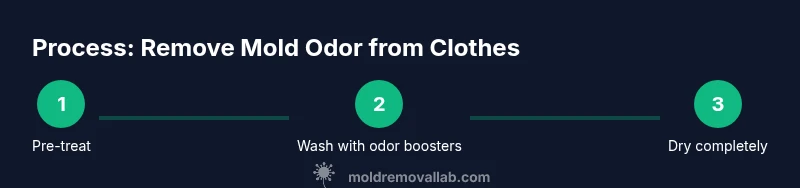
Goal: Remove mold smell from clothes with a proven laundering routine that eliminates odor-causing microbes and dries fabrics completely. Begin with a pre-soak using white vinegar, wash in hot water with odor-fighting additives, then dry thoroughly outdoors or in a sunny, well-ventilated area. If odors persist, repeat the cycle or add an enzyme-based cleaner.
Why mold odor sticks to clothing
Mold smells cling to fabrics because mold releases volatile organic compounds (VOCs) that can bond with fibers, especially when moisture remains in the weave. When you wear or store damp clothing, those VOCs stay trapped in the fabric, leading to a persistent, musty odor that can be hard to remove with a single wash. According to Mold Removal Lab, persistent moisture and heat in laundry environments favor ongoing odor formation, particularly in cotton blends and synthetics that hold onto moisture. In 2026, their analysis shows that repeated washing cycles often yield diminishing returns unless you address both the odor molecules and the moisture content in the garment. This means you should attack both the microbial source and the fiber environment for lasting results. The goal is to break the cycle by drying clothes thoroughly and using odor-fighting agents that neutralize VOCs at the molecular level, rather than merely masking the scent with fragrance.
How odors form in fabrics
odor formation in textiles starts with tiny fungal spores that settle into fibers where moisture can linger. As mold grows, it emits gases that attach to the surface and deeper layers of the fabric. Over time these gases accumulate, making the odor more entrenched and harder to remove. Heat and friction during washing can release additional VOCs, spreading the smell rather than eliminating it. A blended approach—removing moisture, boosting odor neutralization, and ensuring complete drying—helps restore freshness. Mold Removal Lab emphasizes that the odor isn’t just about smell; it reflects ongoing microbial activity that can irritate sensitive individuals and trigger allergies. By attacking both living organisms and the chemical residues they leave behind, you improve your chances of a true, long-lasting deodorization.
Pre-treatment prep and common mistakes
Before you reach for the washing machine, sort clothes by fabric type and colorfastness. Always check care labels for wash temperature limits, especially with delicate fabrics. A common mistake is skipping the pre-soak step, which allows lingering spores to resist washing. Another pitfall is using hot water on fabrics that can shrink or fade, which can set the odor deeper into the fibers if the wash cycle isn’t thorough. A third misstep is assuming a standard detergent alone will cancel the odor; mold odors often require a targeted pre-treatment and a surge of odor-neutralizing chemistry to disrupt the VOCs. Finally, avoid leaving damp items crammed in a hamper or closet—airflow matters, as does sunlight, which helps deactivate certain microbes. The approach below combines careful prep with odor-focused washing to tackle the root cause of the smell.
The core washing routine that works
To remove mold smell from clothes effectively, you’ll need a two-pronged routine: pre-soak and a hot-wash cycle using odor fighters. Start with a vinegar or baking soda pre-soak (see Tools & Materials for specifics) to loosen accumulated residues and start neutralizing VOCs. Then wash at a temperature safe for the fabric with a detergent that supports odor removal, adding an oxygen-based booster if fabrics permit. Consider an enzyme-based laundry additive for stubborn odors on natural fibers like cotton or wool. After washing, run an extra rinse cycle to remove residues thoroughly. The goal is to flush odors from all layers of the fabric, not just the surface. Remember to avoid overload, as crowded loads prevent proper agitation and rinse efficiency, which are essential for odor removal. Mold Removal Lab’s guidance here is to ensure the garment breathes during drying; closed-drawer storage can reintroduce dampness and odor.
Vinegar, baking soda, and enzymes: what to use when
White vinegar is a classic pre-treatment for mold odors because acetic acid helps neutralize alkaline VOCs associated with mold. Use plain white vinegar for the soak, typically a cup per gallon of water, and allow the fabric to soak for 30–60 minutes. Baking soda is a second-line option that raises
Handling delicate fabrics and color-safe care
Delicates such as silk, lace, or wool require gentler measures. If the care label forbids hot water, opt for warm water and a milder pre-soak with vinegar only, then a gentle detergent. For colorfast fabrics, you can apply a small amount of oxygen-based bleach on a test spot before proceeding with a full wash. Do not use strong scent additives on fabrics that trap odors close to the fibers, as those fragrances can interact with mold VOCs and trap the odor deeper. The key is to balance effective odor removal with fabric safety, preserving color, texture, and integrity. If in doubt, consider spot-testing in an inconspicuous area and consult the garment’s care instructions. Mold Removal Lab recommends prioritizing a thorough rinse and complete drying over aggressive chemical use on delicate pieces.
Stubborn odors: advanced methods
When standard washing fails, advanced techniques can give you another chance to reclaim fabrics. A second pre-soak with a vinegar solution, followed by a hot wash with an odor-fighting booster, is often enough for many garments. For heavily affected items, you may try a dedicated odor-removal product designed for laundry applications and compatible with the fabric. Sun-drying or air-drying outdoors on a clothesline can dramatically improve odor outcomes due to UV exposure and airflow, but avoid direct intense sun on sensitive colors. If odors persist after multiple cycles, isolate the items to prevent cross-contamination, and consider professional evaluation for deep-seated contamination.
Drying, storage, and prevention
Dry clothes thoroughly to prevent room for microbial regrowth. The best approach is sun-drying or using a high-ventilation dryer, ensuring no remaining damp spots linger. Store clothes in a well-ventilated closet with moisture-control measures such as silica gel packs or activated charcoal canisters. Regularly inspect storage areas for dampness, especially during humid seasons, and wash storage containers and bins periodically. Training your family to promptly handle wet laundry and maintaining a consistent washing routine with odor-neutralizing additives helps sustain odor-free wardrobes. By combining moisture control with rigorous washing cycles, you minimize the re-emergence of the smell, aligning practice with Mold Removal Lab guidance for ongoing fabric health.
Troubleshooting and when to seek help
If the odor persists after multiple cycles and careful pre-treatment, there may be deeply embedded residues or fabric damage that warrants a different approach. Reassess the fabric compatibility with heat and cleaning agents, and consider a professional laundry consult if you’re dealing with premium or sensitive textiles. In some cases, frequent mold odors may indicate broader moisture problems in the home that require moisture monitoring and environmental remediation. If clothing remains odorous after trying recommended methods, document the fabrics involved and consult a mold remediation professional. The Mold Removal Lab Team notes that persistent odors can be a sign of hidden moisture issues elsewhere in the home, which may require broader solutions beyond washing alone.
Tools & Materials
- White vinegar (5% acidity)(Use for the pre-soak; plain white vinegar is preferred over scented varieties.)
- Baking soda(Add to wash or as a pre-soak to help neutralize acids.)
- Oxygen-based laundry booster(Choose a product safe for colorfast fabrics; avoid on wool or silk unless labeled safe.)
- Mild detergent(Prefer a fragrance-free formula to avoid masking odor with perfume.)
- Enzyme-based laundry additive(Useful for stubborn odors on natural fibers; follow label.)
- Non-chlorine bleach (optional)(Only for white or colorfast fabrics; avoid on colored delicates.)
- Bucket or basin for soaking(Big enough to submerge garments completely.)
- Clothesline or drying rack(Airflow is essential for complete drying; sun is best when possible.)
- Silica gel packs or desiccants(Use in storage to prevent moisture buildup.)
Steps
Estimated time: 60-120 minutes active; soaking and drying times vary (6–24 hours soaking, 4–8 hours drying)
- 1
Sort and inspect fabrics
Review care labels for heat tolerance and colorfastness. Separate whites from colors and delicates from sturdy fabrics. Pre-check pockets for hidden items and loosen any crusted residue before soaking.
Tip: Taking time to sort reduces the risk of color bleeding and fabric damage during subsequent steps. - 2
Pre-soak in vinegar solution
Mix a solution of one part white vinegar to four parts water in a basin. Submerge the affected garments completely and let soak for 30–60 minutes. This step helps neutralize VOCs and loosens residues.
Tip: Do not mix vinegar with chlorine bleach in the same soak to avoid harmful chlorine gas. - 3
Run a hot wash with odor boosters
Wash the clothes in water at or near the highest safe temperature indicated by the care label. Add the oxygen-based booster and detergent; include baking soda if fabric allows. Avoid overloading the washer to ensure thorough agitation and rinse.
Tip: For heavily affected items, consider a second wash cycle rather than extending a single cycle to avoid fiber stress. - 4
Consider enzyme treatment for stubborn odors
If the odor persists after the initial wash, apply an enzyme-based laundry additive to a subsequent wash. Enzymes break down organic residues that mold feeds on, improving odor removal on natural fibers.
Tip: Test on a small seam first to confirm colorfastness before treating the entire garment. - 5
Rinse thoroughly with an extra cycle
Run an extra rinse to remove detergent and residues that can trap odors. This helps ensure no cleaning agents remain that could cause skin sensitivity or re-odorization.
Tip: A longer rinse cycle can be especially helpful for very odor-prone fabrics. - 6
Dry completely in a fresh environment
Line-dry in sunlight or place on a drying rack in a well-ventilated area. Adequate airflow and UV exposure can assist in reducing residual microbes and freshening fabrics.
Tip: Avoid tight closets with poor airflow; moisture here can reignite odors. - 7
Inspect and repeat as needed
After drying, smell-test the garment. If the odor remains, repeat the pre-soak and wash cycle, or escalate to a tailored enzyme protocol for the specific fabric.
Tip: Don’t ignore persistent odors; repeated cycles are more effective than aggressive, single-cycle attempts. - 8
Store correctly and prevent odor return
Store freshly cleaned clothes in a dry area with good airflow. Use moisture absorbers in storage spaces and air out items before placing them in drawers or closets.
Tip: Rotation and regular airing of storage areas reduce re-odorization risk. - 9
When to seek professional help
If odors remain after multiple validated cycles, consider a professional assessment. Mold could be embedded in fabrics or a broader moisture issue may exist in the home.
Tip: Document the fabrics involved and any previous cleaning attempts when consulting a pro.
FAQ
What causes mold smell in clothes?
Mold smell in clothes arises from VOCs produced by mold and from moisture lingering in textiles, which allows microbes to thrive. Proper washing with odor-targeting agents and thorough drying helps remove both the microbes and the odor residues.
Mold odor comes from VOCs produced by mold growing on damp fabrics; a thorough wash with odor fighters and complete drying usually clears it up.
Can I remove the odor with just water and detergent?
Water and detergent alone often fail to neutralize embedded VOCs. Pre-treating with vinegar or baking soda and using an odor booster improves outcomes, especially on fabrics with higher moisture retention.
Just water and detergent usually won’t remove embedded smells; add a pre-treatment and an odor booster for best results.
Is it safe to use bleach on moldy clothes?
Bleach can help with white, colorfast fabrics but may damage colored materials and fabrics. Always test on a hidden area first and never mix bleach with vinegar or ammonia.
Bleach can work for some whites, but test first and avoid mixing with vinegar or ammonia.
How many times should I repeat the wash cycle if odor remains?
If odor persists, repeat the pre-soak and wash with odor neutralizers. Avoid overloading the washer and allow full drying between cycles before testing again.
If the smell remains after one cycle, repeat the soak and wash with odor fighters and dry thoroughly before testing again.
What fabrics are most difficult to deodorize?
Natural fibers like cotton and wool tend to hold odors more than synthetics, requiring careful pre-treatment and, in some cases, enzyme cleaners designed for those fabrics.
Cotton and wool hold odors more stubbornly; you may need enzyme treatments on those fabrics.
When should I seek professional help?
If multiple cleaning attempts fail and the odor remains strong, or you notice visible mold on clothing, consult a professional mold remediation service for assessment.
If odor persists after several tries or you see mold on clothes, get a professional evaluation.
The Essentials
- Prioritize complete drying to prevent mold regrowth.
- Use odor-neutralizing agents in combination with thorough rinses.
- Follow care labels to protect fabric integrity during odor removal.
- Persistent odors may signal a broader moisture issue in the home.