Removal of Mold from Clothing: Safe Step-by-Step Guide
Learn how to safely remove mold from clothing with proven steps, proper PPE, and prevention tips. Mold Removal Lab’s guide helps homeowners and renters salvage garments while protecting health and home from mold risks.


You're about to learn how to remove mold from clothing safely and effectively. This guide covers washing, pre-treatments, handling non-washable fabrics, drying best practices, odor control, and prevention steps to stop mold from returning. Follow a clear, step-by-step plan to salvage clothes while protecting your health and home for peace of mind.
Understanding why clothing gets mold
Moisture and organic fibers cooperate to create ideal conditions for mold growth on textiles. Clothing often stays damp after laundry, activity, or storage in humid spaces. The result is mold colonies that cling to fabric fibers, leaving stains, musty odors, and potential health concerns. According to Mold Removal Lab analysis, mold growth begins when moisture meets fabric in environments with limited airflow. The more time fabrics spend wet, the greater the chance mold becomes established. This is why the removal of mold from clothing isn’t a one-time wash but a careful sequence of decontamination, drying, and prevention to keep garments safe and usable.
To salvage items, you’ll need to respect fabric care labels and adjust methods to fabric type (cotton, wool, synthetics, blends). Colorfastness matters: some fabrics react to bleach or high heat. This section sets the stage for practical steps by explaining what you’re dealing with and why certain approaches work better than others.
The science of mold on fabrics
“Mold” isn’t just a surface stigma—it’s a living organism that can embed spores into tiny fabric crevices. Mold thrives in warm, damp, low-ventilation spaces and can attach to natural fibers like cotton and linen as well as blends. Spore buildup can spread through air currents, making containment important during cleaning. Fabric texture influences how deeply spores settle; linty or plush surfaces may harbor more residue than tightly woven materials. Colorfast fabrics behave differently under cleaners, so choosing gentler agents for most clothing reduces the risk of color fade while still delivering disinfection.
From a health and safety perspective, avoiding inhalation is essential. Involving Mold Removal Lab guidance, wear PPE during handling and ensure proper ventilation when you agitate or pre-treat stained fabrics. Always wash contaminated items separately from other laundry to minimize cross-contamination risk. This scientific context helps explain why some garments respond to cleaning more readily than others and why process consistency matters for reliable results.
Safe prep and materials you’ll need
Before you begin, assemble the right tools and cleaners to minimize spore spread and protect fabrics. Essential items include PPE (gloves and an N95 mask), a washing machine capable of hot water cycles, and color-safe detergent. White vinegar or hydrogen peroxide can assist with pre-treatment, while baking soda helps deodorize. A spray bottle, soft-bristled brush, and clean cloths enable controlled application. Sunlight can aid drying but verify fabric care labels first. By preparing properly, you reduce the risk of spreading mold spores and improve the odds of successful removal of mold from clothing.
Optional but helpful additions include a stain remover safe for colorfast fabrics and a dedicated laundering basket to prevent cross-contamination with clean clothes. Remember: always perform a spot test in an inconspicuous area before applying cleaners to the entire garment. This sets the stage for safer, more effective remediation.
Approaching washable fabrics: general strategy
Washable garments are the easiest to salvage when mold is detected early. The strategy combines pre-treatment to loosen spores, thorough washing with hot water (within care labels), and complete drying. If fabrics tolerate heat and bleach is safe for colorfast items, a diluted solution can boost mold removal. For colored items or delicate fabrics, a gentler approach may be required, using milder detergents and more extended soaking time. The goal is to eliminate visible mold while preserving fabric integrity and color. The following sections outline both routine washing steps and options for fabrics that aren’t machine-washable.
Non-washable fabrics: ceiling the challenge
Non-washable fabrics (like some woolen coats or leather goods) pose a greater challenge because water-based cleaning can damage leather, suede, or certain wool fibers. In these cases, the recommended approach is spot cleaning with a damp cloth and a fabric-safe cleanser, followed by air-drying in a ventilated area away from direct heat. For these materials, professional cleaning or remediation may be advisable if mold persists. The key is to prevent moisture retention and ensure that treated areas dry completely to minimize regrowth risk.
Drying and odor control after washing
Even after a successful wash, incomplete drying is a common source of mold regrowth. Dry garments in a well-ventilated area, ideally outdoors in shade or sunlight if fabric care labels permit. Use a low-to-medium heat dryer for colorfast items, but avoid high heat on delicate fabrics. Odor control is often achieved by baking soda or a rinse with white vinegar solution. Always ensure that clothing dries completely before storage, as damp storage areas encourage mold return. Mold may reappear if fabrics remain slightly damp or trapped in humid closets.
Storage and prevention to minimize future mold
Prevention is the best antidote to mold on clothing. Store garments in a dry, cool, and well-ventilated closet, away from damp basements or unventilated spaces. Use silica gel packets or moisture-absorbing products in storage areas, and consider airing clothes after use in humid seasons. Keeping humidity levels under control reduces mold risk. Regularly inspect closets and laundry rooms for signs of moisture accumulation, and tackle leaks promptly to protect fabrics over time. Incorporating prevention into daily routines saves effort and improves long-term wardrobe health.
Common mistakes to avoid
Common errors include skipping pre-treatment, using high heat indiscriminately, and washing moldy items with clean laundry. Overloading the washing machine can reduce cleaning effectiveness and increase cross-contamination risk. Bleach should be used cautiously; it can damage fabrics and release chlorine gas when mixed with other cleaners. By avoiding these missteps and sticking to fabric care guidelines, you raise the likelihood of salvage and minimize health and home risks.
Tools & Materials
- washing machine(Ensure it’s capable of hot water cycles and has a sanitize option if available.)
- color-safe laundry detergent(Avoid perfumes that can irritate sensitive individuals; choose a hypoallergenic option if possible.)
- white vinegar(Use for pre-treating or as a rinse to help deodorize and disinfect.)
- hydrogen peroxide (3%)(Helpful for whitening and mold spot treatment on colorfast fabrics.)
- baking soda(Deodorizes and can help lift mild stains from fabric fibers.)
- spray bottle(For applying pre-treatments or vinegar solution to stain areas.)
- soft-bristled brush(Gently loosen spores from fabric without damaging fibers.)
- nitrile gloves(Protects hands while handling moldy items.)
- N95 mask(Prevents inhalation of mold spores during handling and pre-treatment.)
- clean cloths or towels(For blotting, dusting, and absorbing moisture.)
- sunlight exposure (outdoor drying)(Helpful to dry and deodorize fabrics if label allows.)
Steps
Estimated time: 60-120 minutes
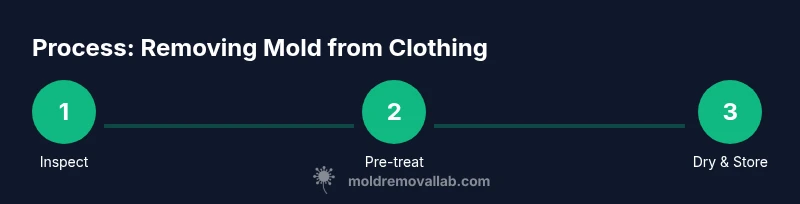
- 1
Inspect and separate
Identify mold-affected garments and separate them from clean laundry to prevent cross-contamination. Check fabric care labels to determine tolerance for heat and cleaners. Photograph any persistent stains for reference.
Tip: Work in a well-ventilated area and wear PPE to avoid spreading spores. - 2
Pre-treat stains
Apply a mild pre-treatment to moldy areas. For colorfast fabrics, use a solution of white vinegar to dampen the stain and let it sit for 10-15 minutes. For tougher stains, a baking soda paste can be gently worked into the fabric.
Tip: Avoid scrubbing too hard—fiber damage can trap spores deeper. - 3
Wash with hot water
Wash items separately on the hottest water allowed by the care label using a color-safe detergent. Add a cup of white vinegar to the rinse cycle for additional deodorizing and disinfection.
Tip: Do not overload the washer; space helps agitation remove spores effectively. - 4
Treat non-washable items
For fabrics that can’t be machine-washed, spot-clean with a damp cloth and a mild cleaner, then air-dry completely in a ventilated area.
Tip: Never soak leather or suede; use professional cleaning if unsure. - 5
Dry thoroughly
Dry clothes in a well-ventilated space, preferably in shade or under indirect sunlight if fabric allows. Use a dryer on a low setting if permitted by care labels, ensuring items are fully dry before storing.
Tip: Complete drying prevents regrowth of any residual mold spores. - 6
Store properly
Once dry, store clothes in a dry, ventilated area. Consider moisture absorbers and periodic checks to prevent future mold growth.
Tip: Keep closets free from moisture leaks and reduce humidity where possible.
FAQ
Can all clothing be cleaned to remove mold, or are some items unsalvageable?
Not all molds can be removed from every fabric. Delicate materials, leather, or heavily mold-damaged items may require professional cleaning or disposal. Always check care labels and consider fabric integrity before deciding.
Some fabrics can’t be saved, especially delicate materials or heavily mold-damaged pieces; when in doubt, consult a professional.
Is vinegar effective for mold on clothing, and how should I use it?
Vinegar can help disinfect mild mold on many fabrics when used as a pre-treatment or rinse. It is not a guaranteed solution for all mold cases, especially on non-colorfast materials; always test first.
Yes, vinegar can help with mild mold, but test first and follow up with proper washing if the fabric allows.
Should I use bleach on moldy clothes?
Bleach can whiten and disinfect whites but should be used cautiously. It can damage colors and fabrics, and may release harmful gases if mixed with other cleaners. Always follow care labels and use diluted solutions when appropriate.
Bleach isn’t always safe for clothes—check fabric care and avoid mixing with other cleaners.
What if mold returns after washing?
If mold persists after washing, repeat the cleaning cycle with appropriate pre-treatments and ensure items are thoroughly dried. Persistent mold may indicate deeper contamination or fabric damage.
If mold keeps coming back, repeat cleaning and drying steps or consider discarding the item.
When should I seek professional remediation for clothing?
Call a professional if mold covers large areas, fabrics are valuable and delicate, or you experience health symptoms that could be mold-related. A pro can assess contamination and offer safer options.
If you’re unsure or the mold is extensive, get a professional assessment.
How can I prevent mold on clothes in the future?
Preventive steps include drying all clothes completely after washing, storing in dry spaces, and controlling humidity in laundry areas. Regularly inspect for leaks and ensure good airflow.
Keep clothes dry, store in dry spaces, and maintain good airflow to prevent mold.
Watch Video
The Essentials
- Follow fabric care labels to guide cleaning methods
- Pre-treat mold spots before washing to improve removal
- Dry clothes completely to prevent mold regrowth
- Separate moldy items to prevent cross-contamination
- When in doubt about delicate fabrics, seek professional cleaning