Mold Killing Detergent for Clothes: Safe, Effective Laundry Mold Removal
A practical, step-by-step guide to using mold killing detergent for clothes to remove mold on fabrics, protect laundry, and prevent mold recurrence.


In this guide you will learn how to identify mold on clothing, select a mold killing detergent for clothes, apply pre-treatments, run effective wash cycles, and dry fabrics safely to prevent recurrence. You’ll also cover fabric compatibility, stain handling, safety, and when to seek professional help. This fast overview prepares you to act with confidence.
What mold on clothes really is and why it matters
Mold on fabrics occurs when moisture, warmth, and organic matter combine to create colonies of fungi that can appear as fuzzy patches, spots, or damp odors. Clothing left damp in poorly ventilated spaces—a basement laundry room, a closet after rainy days, or gym bags—is especially vulnerable. Mold exposure is a health concern for some people, potentially causing allergies, irritation, or asthma flare-ups, even if you can’t see the problem clearly. For homeowners and renters, acting quickly protects both fabrics and indoor air quality. In many cases, mold killing detergent for clothes provides an effective first line of defense to halt growth, sanitize fibers, and reduce spores released into the environment. Remember that not all detergents are designed for mold, and fabrics vary in what they can tolerate. Selecting the right product is the foundation of safe, successful remediation.
How mold-killing detergents work on fabrics
Mold-killing detergents for clothes work by combining surfactants that lift mold from fibers with active agents that kill spores within the wash. Enzymes help break down organic matter, while oxidizing components neutralize some mold pigments and odors. Importantly, different fabrics tolerate cleaners differently; cottons, synthetics, and blends respond in distinct ways. The best mold killing detergent for clothes will specify fabric compatibility on the label and provide dosing guidance for typical loads. Using the right product ensures you both remove visible mold and reduce hidden spores that could recur after drying. Always follow the manufacturer’s instructions and consider fabric care labels to avoid damage.
Reading fabric care labels before treating mold
Before applying any cleaner, check care labels for washing temperature limits, bleach allowances, and recommended cycle types. Some delicate fabrics cannot tolerate hot water or strong cleansers, while sturdy textiles may benefit from higher temperatures. When you know the fabric type, you can choose a mold killing detergent for clothes that suits the fibers without causing color fading or fiber damage. If the item is labeled dry clean only, skip machine washing and choose professional dry cleaning instead. Documenting the label guidance helps you plan a safe, effective remediation without unnecessary risk.
Pre-treating mold spots on garments
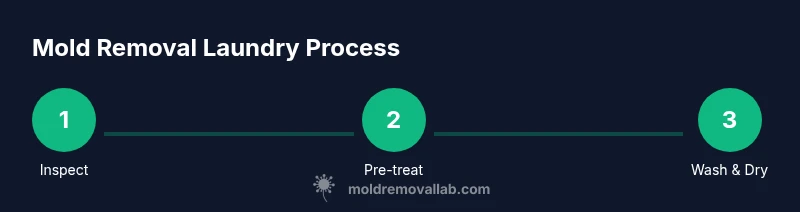
Pre-treatment accelerates mold removal and reduces the amount of mold spores that get dispersed in the wash. Apply a small amount of your mold killing detergent for clothes directly to visible mold patches and use a soft brush to work it gently into the fibers. Let it sit for 10–15 minutes to activate, especially on older stains or heavier growth. For stubborn areas, a short soak in warm water can improve penetration before you start the main wash. Always test a hidden area first to verify colorfastness.
Washing protocol with mold killing detergent for clothes
Load items evenly to avoid overcrowding and ensure the detergent can circulate. Use the warm or hot water the fabric label allows, and select a cycle with an extra rinse to flush away loosened mold. Add your mold killing detergent for clothes according to the label’s instructions and consider an additional dose for bulky loads or heavier staining. If the clothing bears strong odors or visible mold, run a second wash cycle with the same settings to maximize sanitation. After washing, promptly transfer garments to drying to prevent new mold growth.
Temperature and rinse considerations
Heat helps mold kill and fibers release moisture more quickly, but not all fabrics tolerate high temperatures. When safe, a wash temperature of at least warm (40–60°C) is effective against many mold species. Use an extra rinse to remove residual cleaner and dissolved spores. If you’re washing heat-sensitive fabrics, use the gentlest cycle and a cooler wash, then rely on a longer drying period to finish sanitation. Temperature control is a key lever in preventing recurrence.
Drying to prevent mold recurrence
Drying is where many mold problems reappear. Promptly move cleaned items to a bright, airy area or a vented dryer set to the appropriate heat. Sunlight can help reduce remaining spores on natural fibers, but avoid prolonged sun on colorfast fabrics that may fade. Use a high-heat drying setting if fabric care allows, or air-drying in a dry room with good air exchange. Do a final check for damp seams or linings after drying to catch missed areas.
Cleaning the washer and preventing cross-contamination
Mold spores can linger in the washing machine itself, especially in seals and dispensers. After washing mold-affected clothes, run an empty hot wash with your regular detergent or a dedicated washer-cleaning agent to purge residues. Wipe seals and door gaskets with a mild cleaner and leave the door ajar between cycles to improve air circulation. Regular maintenance reduces the chance that mold re-enters future loads. A clean machine supports the effectiveness of every mold killing detergent for clothes you use.
Special cases: delicates and fabrics that require gentler care
Delicate fabrics such as silk, wool blends, and rayon require careful treatment. Some delicates can be damaged by hot water or strong oxidizers; in those cases, opt for colder washes, shorter cycles, and hand-cleaning where appropriate. For delicate garments, apply gentler pre-treatment, use a mild mold killing detergent for clothes formulated for delicates, and avoid aggressive agitation. Always verify that any cleaner is safe for the fabric and consider testing on a hidden area first.
Storage and prevention after washing
Store cleaned clothes in dry, well-ventilated spaces to deter future mold growth. Ensure items are fully dry before storing and avoid keeping damp items in sealed containers or bags. Consider moisture control in storage areas, such as dehumidifiers or silica gel packs, especially in basements or closets with limited airflow. Regularly inspect textiles for early signs of moisture and address leaks promptly to prevent mold from returning.
Common mistakes to avoid when treating mold on clothes
Avoid mixing products unless label guidance explicitly allows it; chemical reactions can create toxic fumes or damage fabrics. Don’t skip the pre-treatment or the extra rinse step, as residual spores may persist. Never dry moldy items in enclosed spaces where spores can recirculate. Relying on a single wash alone is often insufficient for embedded mold; plan for at least two full cycles when growth is heavy. Finally, never store moldy clothes in your living space before treatment is complete, as this can spread spores.
Realistic expectations and when to seek professional help
Mold remediation on clothes can be effective for many fabrics, but some items may be permanently damaged or have deeply embedded mold that washing cannot completely remove. If odors persist after multiple washes or you notice recurrent growth across loads, consider professional remediation or garment disposal for the most affected pieces. Mold is a sign of moisture issues in your home; addressing the underlying cause reduces future risk and protects your health and belongings. The Mold Removal Lab team emphasizes safety and thorough cleaning as the foundation of any mold control plan.
Tools & Materials
- Mold-killing detergent for clothes(Choose a product proven safe for fabrics and mold removal.)
- Washer with adjustable temperature(Set to warm or hot per fabric care label.)
- Oxygen-based bleach or enzyme stain remover(Use only if fabric allows.)
- Pre-treat brush or soft-bristle brush(For gentle agitation on stained areas.)
- Gloves(Protect skin from irritants.)
- Absorbent towels(Pat moisture from garments.)
- Ventilated drying space(Dry promptly to prevent mold rebound.)
- Measuring cup(Accurate dosing per label.)
- Mask or respirator (optional)(Use if mold spore exposure is a concern.)
Steps
Estimated time: 60-120 minutes
- 1
Inspect care labels and assess mold
Open each garment and examine visible mold, smell, and fabric type. Note any color loss or fabric weakness. This helps determine whether to wash, pre-treat, or avoid machine cleaning.
Tip: If a label says dry clean only, do not machine wash; skip to safe alternatives. - 2
Gather supplies and prep area
Assemble the mold killing detergent for clothes, gloves, measuring cup, and a brush. Clear space near the washer to prevent cross-contamination and set up a ventilated drying area.
Tip: Lay out towels to catch spills and protect surfaces. - 3
Pre-treat visible mold
Dampen the stained areas with warm water and apply a small amount of detergent directly. Gently scrub with a brush to lift spores, then allow 10–15 minutes for the product to work.
Tip: Test a hidden seam first to ensure colorfastness. - 4
Pre-soak heavier growth (if fabric allows)
Soak garments with heavy mold in warm water with a bit of detergent for 15–30 minutes. This helps penetrate fibers before the main wash.
Tip: Do not soak fabrics that may bleed color; use shorter times or cold water. - 5
Run first wash with mold killing detergent for clothes
Place items in the washer and run a cycle at the temperature allowed by the care label. Use the mold killing detergent per label directions and select an extra rinse.
Tip: Avoid overloading the machine; air needs to circulate for effective cleaning. - 6
Check and decide on second cycle
After the first cycle, inspect for lingering mold or odor. If growth remains, run a second full wash with the same settings or adjust to a hotter safe temperature.
Tip: For strong odor, an additional rinse or a short second cycle improves results. - 7
Dry thoroughly
transfer garments to a well-ventilated area or use a dryer with the appropriate heat setting. Ensure fabrics are fully dry before storage to prevent regrowth.
Tip: Sunlight helps naturally reduce spores on natural fibers; avoid sun on color-sensitive fabrics. - 8
Clean the washer to remove residues
Run an empty hot wash with detergent or a washer-cleaning agent. Wipe seals and dispensers, then leave the door ajar to improve airflow.
Tip: Regular maintenance reduces future mold risk in loads that follow. - 9
Maintain prevention and routine checks
Store cleaned clothes in dry spaces and monitor for moisture or leaks in storage areas. Regularly inspect for musty odors that could indicate hidden mold.
Tip: Use dehumidifiers or silica gel in damp rooms to suppress moisture.
FAQ
Can I use chlorine bleach with mold on clothes?
Chlorine bleach can damage some fabrics and may release fumes when mold is present. Prefer oxygen-based cleaners or enzyme-based detergents if the fabric allows. Always check the label first.
Bleach can damage fabrics; use safer oxygen cleaners when possible.
Should moldy clothes be washed separately?
Yes. Wash moldy items separately to prevent cross-contamination. Use hot water if the fabric care label allows and run an extra rinse.
Wash separately to avoid spreading spores.
How do I know when clothes are mold-free?
Look for no visible mold, a neutral odor, and no staining after a full cycle. If in doubt, repeat the washing process or seek professional guidance.
Ensure no visible mold and no musty odor after washing.
Can this method damage delicate fabrics?
Some delicate fabrics cannot tolerate hot water or strong oxidizers. Use gentler cycles, cooler temperatures, or hand washing as needed, and verify fabric care labels.
Delicates require gentler treatment; check labels first.
When should I seek professional mold remediation?
If odor returns after several washes or mold recurs across loads, consider professional remediation or discarding the most affected pieces. Address home moisture issues to reduce risk.
If mold keeps coming back, get professional help.
Watch Video
The Essentials
- Choose a fabric-safe mold killing detergent for clothes
- Pre-treat and wash with appropriate temperatures
- Dry completely to prevent recurrence
- Inspect and maintain your washer to prevent recontamination
- When in doubt, consult a professional for persistent mold