Vinegar and Baking Soda Mold: A Practical DIY Guide
A practical, expert guide for using vinegar and baking soda to address small mold outbreaks, with safety tips, step-by-step methods, and when to call professionals.


Vinegar and baking soda can help remove mold from small, non-porous areas, but they are not a cure for larger or porous infestations. Use them as part of a moisture-control plan and a broader remediation approach. This guide shows a practical, safe method you can start today, with when to escalate to professional help.
What vinegar baking soda mold is and what it isn’t
Vinegar and baking soda are common household substances that can help with mild mold cleanup. Vinegar (white distilled, about 5% acetic acid) has antifungal properties and can inhibit mold growth on many non-porous surfaces such as ceramic tile, glass, metal, and sealed countertops. Baking soda is a mild alkali that helps lift grime, deodorize, and absorb residual moisture. Together they form a simple, low-toxicity approach for small cleanups, but they are not a universal cure. For porous materials like drywall, fabric, or wood, mold often grows into the material itself and cleaning the surface may not fully remove it. In those cases, moisture control and, when needed, professional remediation are essential to prevent regrowth. This guide explains how to use these agents safely and effectively, with real-world tips and safeguards that homeowners can apply today.
How vinegar and baking soda work together: chemistry and limits
Vinegar contains acetic acid, which can disrupt some mold cell structures on contact and lowers surface pH, making the surface less hospitable for mold spores. The effect is most reliable on non-porous surfaces where the mold is sitting on top of the surface. Baking soda, or sodium bicarbonate, is mildly abrasive and acts as a gentle scrub. It also absorbs moisture and odors, helping to reduce the conditions that allow mold to thrive. However, neither vinegar nor baking soda is a true EPA-registered disinfectant for mold, and neither can reach mold colonies embedded in porous substrates. For that reason, treating only the surface may leave spores behind, and hidden moisture will fuel regrowth. The best results come from combining cleaning with thorough drying, moisture reduction, and monitoring over time.
Surface suitability: non-porous vs porous materials
On non-porous surfaces such as glazed ceramic, glass, enamel, or sealed metal, vinegar cleanup followed by thorough drying can remove visible growth and smell. For porous materials—drywall, fabric, carpeting, unsealed wood—the mold can reside inside the substrate. Cleaning the surface may not eliminate these colonies, and removal or replacement of affected material is often necessary. In many cases, porous materials contaminated with mold should be discarded and replaced rather than re-cleaned. If you must attempt cleaning, limit your work to small, isolated patches and always plan for material replacement if the anomaly reappears after drying.
Safety first: PPE, ventilation, moisture control
Mold cleanup with vinegar and baking soda should be done with personal protective equipment (PPE) including gloves, a mask, and eye protection. Work in a well-ventilated area; open windows or use a fan to move air away from your breathing zone. In addition to cleaning, address the moisture source that allowed mold growth in the first place. Fix leaks, dry damp spaces promptly, and consider dehumidification in high-humidity rooms. If mold has caused structural damage or is present in HVAC systems, professional assistance is strongly recommended.
The practical cleaning routine: a step-by-step approach
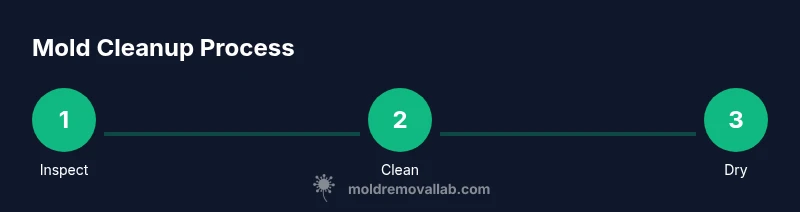
For small, non-porous mold patches, you can follow a straightforward routine. First, apply undiluted white vinegar to the affected area and let it sit for up to an hour. Then scrub the surface with a baking soda paste to lift remaining spores and deodorize. Rinse with clean water and dry completely before rechecking the area. If the area dries with any musty odor or musty residue returns, repeat the process once more. Keep cleaning to local patches to minimize disruption and never reuse contaminated cleaning tools on clean areas.
Porous materials and disposal: what to do when vinegar and baking soda aren’t enough
When mold has penetrated drywall, carpet, or untreated wood, surface cleaning rarely solves the problem. In these cases, snapshot testing and professional assessment are recommended. Contaminated drywall or insulation should be removed and replaced, and porous materials should be sealed only after mold removal to prevent recurrence. For anything beyond a small scope, plan a remediation approach that includes moisture control, appropriate disposal, and follow-up monitoring.
Aftercare: preventing mold from returning
Once you have completed cleaning, continue to monitor humidity and moisture levels. Use exhaust fans in bathrooms and kitchens, and consider a dehumidifier in damp basements or crawl spaces. Regular visual checks for signs of moisture, leaks, or condensation can catch problems early. Maintain a clean surface with a light weekly wipe, and store textiles so they dry completely after washing.
Common mistakes and misconceptions
Do not mix vinegar with bleach; the combination can release dangerous chlorine gas. Do not apply vinegar or baking soda to natural stone like marble or limestone. Avoid over-wetting materials that already show signs of mold growth, which can push moisture deeper into the substrate. Lastly, do not assume a small spot cleanup will fix a widespread infestation—mold growth often requires addressing underlying moisture and possible professional remediation.
Tools & Materials
- Spray bottle(Clear spray bottle for vinegar application)
- White distilled vinegar (undiluted)(5% acetic acid; store in original container)
- Baking soda(Fine or paste form for scrubbing)
- Water(For rinsing and making paste)
- Microfiber cloths(For wiping and absorption)
- Scrub brush(Stiff-bristled brush for surfaces)
- Protective gloves(Latex or nitrile)
- Safety goggles(Eye protection)
- N95 respirator mask(Protect from spores)
- Plastic drop cloth or bags(Contain area; dispose afterward)
- Bucket(For rinsing or mixing water)
- Fan or dehumidifier(Ventilation to speed drying)
Steps
Estimated time: 1-2 hours
- 1
Don protective gear and prepare workspace
Put on gloves, goggles, and an N95. Lay down drop cloths and plastic barriers to contain the work area and protect nearby surfaces from moisture and spores.
Tip: This reduces exposure and prevents spores from spreading. - 2
Contain the affected area
Seal off the room with plastic sheeting at doorways and vents. Move nonessential items away from the mold to avoid contamination.
Tip: Containment minimizes cross-contamination during cleaning. - 3
Apply undiluted vinegar to moldy surfaces
Spray undiluted white vinegar onto the affected areas until damp but not soaking. Let it sit for about 60 minutes to allow antifungal action and surface drying.
Tip: Test a small patch first; avoid metal finishes that may corrode. - 4
Scrub surfaces with baking soda paste
Mix baking soda with a little water to form a paste. Scrub the damp area with the paste using the brush or cloth to lift spores and deodorize.
Tip: Use a microfiber cloth to avoid scratching; avoid over-wetting. - 5
Rinse and dry surfaces completely
Wipe away residue with clean water, then dry thoroughly with a clean cloth. Use a fan or dehumidifier to speed drying and reduce residual humidity.
Tip: Thorough drying helps prevent regrowth. - 6
Inspect for residual mold and repeat if needed
Re-inspect the area for visible mold. If patches persist, repeat steps 3–5 only on those patches.
Tip: Limit repeats to avoid over-wetting the area. - 7
Dispose of contaminated materials safely
Bag used rags and disposable items in a sealed plastic bag. Remove from living areas and wash hands after disposal.
Tip: Label disposal bags to prevent accidental exposure. - 8
Document cleanup and monitor moisture
Take before/after photos and note humidity levels if a meter is available. Schedule follow-up checks within 1–2 weeks.
Tip: Documentation helps track regrowth and effectiveness. - 9
Plan long-term moisture control measures
Repair leaks promptly, ensure proper ventilation, and consider dehumidification in damp spaces to prevent recurrence.
Tip: Moisture control is the core of mold prevention.
FAQ
Can vinegar alone remove mold?
Vinegar can reduce mold on non-porous surfaces, but it may not fully remove mold embedded in porous materials. Treat it as part of a broader remediation plan.
Vinegar can help on non-porous surfaces, but it might not remove mold that’s inside porous materials.
Is baking soda effective against mold?
Baking soda helps scrub mold and deodorize, and it can absorb moisture. It is not a stand-alone disinfectant; combine with cleaning for best results.
Baking soda helps scrub and deodorize, but it isn’t a stand-alone mold killer.
Should I use vinegar on porous materials like drywall?
Vinegar is not ideal for porous materials; mold inside drywall typically requires removal and replacement, plus moisture control.
Vinegar won’t reach mold inside drywall or other porous materials.
What if mold returns after cleaning?
If mold recurs, check for hidden moisture sources, leaks, or high humidity. Re-clean with a moisture-control plan and consider professional assessment if it persists.
If it comes back, there may be a moisture problem; address that first.
When should I call a professional?
When mold covers a large area (over about 10 square feet), or if it involves HVAC, insulation, or structural elements, professional remediation is advised.
If mold is widespread or in hard-to-reach areas, call a pro.
Can I use bleach instead of vinegar?
Bleach is not recommended for porous materials and can create harmful fumes if misused. Vinegar is generally safer for small cleanups on non-porous surfaces.
Bleach isn’t ideal for most mold cleanup on porous materials; vinegar is safer for many non-porous surfaces.
Watch Video
The Essentials
- Wear PPE and contain the area.
- Vinegar helps non-porous mold cleanup.
- Baking soda aids scrubbing and deodorizing.
- Porous materials may require professional remediation.
- Control moisture to prevent recurrence.