Vacuum Mold: Safe Vacuuming Guide for Home Mold Cleanup
Learn to safely vacuum mold using a HEPA vacuum, PPE, and containment. Mold Removal Lab provides practical steps, tools, and safety tips for effective home mold cleanup.


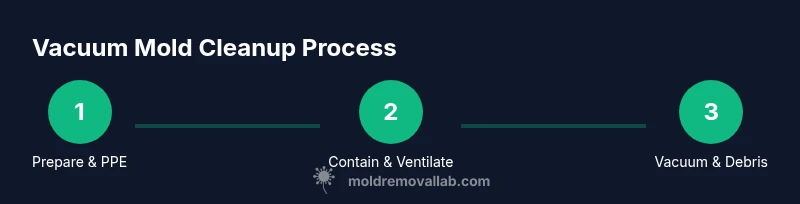
Vacuum mold requires careful containment, a HEPA-filtered vacuum, and proper PPE to minimize spore spread. Use damp surfaces, seal off the room, and dispose of contaminated bags safely. This method is effective for dry, non-porous mold patches and should be paired with cleaning and remediation steps for best results.
What is vacuum mold and why it matters
Vacuum mold refers to the act of using a vacuum system to remove mold spores from hard surfaces or air within a confined space. This method is part of a broader mold remediation plan and is typically used after damp cleaning to minimize the spread of spores during cleanup. For homeowners, understanding when and how to use a vacuum safely is critical because improper use can release spores back into the air, potentially triggering allergic reactions or respiratory symptoms. According to Mold Removal Lab, success hinges on choosing the right equipment, maintaining containment, and combining vacuuming with moisture control and surface cleaning. In many cases, you’ll notice visible patches on walls, ceilings, or ducts, especially in basements or bathrooms with chronic moisture issues. Vacuuming can help reduce surface spores, but it does not address the underlying moisture source or deeply embedded mold growth. Always treat vacuuming as one step in a larger remediation plan that includes moisture management, cleaning, disinfection, and, if necessary, professional remediation.
Safe preparation and containment before you vacuum
Proper preparation minimizes the spread of spores and protects occupants. Start by isolating the work area: close doors, seal gaps with plastic sheeting, and cover vents to prevent airflow that carries spores to other rooms. Put on a well-fitted N95 respirator, protective goggles, and non-porous gloves. Remove or protect nearby textiles to reduce contamination. Turn off the HVAC system if it cannot be sealed; use fans that exhaust to the outside if you need air movement. In many homes, mold is driven by hidden moisture—address this concurrently to avoid recontamination after you finish vacuuming. This stage also includes preparing waste bags (double-bag if possible) and labeling them as mold-contaminated. According to Mold Removal Lab, taking these precautions first is as important as the cleaning itself because containment determines how much cleanup is necessary afterward.
Equipment essentials: HEPA vacuums, brushes, and containment
Choosing the right equipment is critical for controlling mold spores during vacuuming. A sealed, HEPA-filtered vacuum cleaner captures fine particles that ordinary vacuums miss and prevents spores from recirculating. Use replacement HEPA filters and check seals on hoses and attachments before starting. Attachments like brush heads and crevice tools help you reach corners, baseboards, and duct gaps without disturbing settled dust in adjacent rooms. Pair the vacuum with durable plastic sheeting, painter’s tape, and heavy-duty trash bags so you can create a tight containment zone around the work area. Keep damp microfiber cloths or disposable wipes on hand to pre-clean surfaces and reduce the amount of material you’ll need to suction. EPA-registered cleaners or dish soap solutions can be used later for disinfecting, following product directions. This equipment setup minimizes cross-contamination and improves cleanup efficiency.
The vacuuming protocol: steps and best practices
A structured approach reduces the risk of spreading spores. Begin by sealing the space and donning PPE. Pre-clean surfaces with a damp cloth to remove loose spores, then use the HEPA vacuum to treat surfaces in a systematic pattern. Vacuum small areas first to avoid dispersing dust widely, then move to larger patches. Always keep the nozzle moving; do not dwell on a single spot to prevent heat from melting or grinding dust into carpets or porous materials. After each pass, inspect the nozzle and filter for buildup and replace or clean as needed. Avoid vacuuming completely wet mold—wait for moisture to recede or seek professional guidance. When you finish, seal the vacuum bag in a heavy-duty trash bag and remove it from the home following local disposal rules. Finally, ventilate the space and run an air purifier to help restore air quality.
Post-cleanup care: disposal, sanitization, and air quality
Dispose of waste safely by double-bagging mold-contaminated debris and sealing the outer bag before placing it in an outdoor trash can. Clean and sanitize vacuum attachments outside or in a designated area to prevent cross-contamination. Wipe down the work area with an EPA-registered disinfectant or a soapy solution, focusing on high-touch surfaces like door handles and switches. If moisture remains, continue dehumidification or repairs; moisture is a primary driver of mold reprise. Improve air quality by running an air purifier with a HEPA filter and ensuring adequate ventilation. Schedule a follow-up inspection or testing after a few days to verify that visible mold has not returned.
Common pitfalls and how to avoid them
- Do not vacuum mold on porous materials (like drywall) as a sole remediation method; mold may be embedded and require removal. - Use of non-HEPA vacuums can kick up spores rather than capture them. - Skipping containment increases cross-contamination risk and can trigger symptoms for occupants with allergies. - Relying only on household cleaners without addressing moisture will lead to reoccurrence. - Over-wetting surfaces prior to vacuuming can spread spores; always dampen with a mist spray and avoid soaking. These missteps are common but avoidable with a structured plan and proper equipment.
When vacuuming isn't enough: next steps and professional help
Vacuuming is an important tool, but it does not solve persistent mold problems that involve deep growth, structural damage, or recurring moisture. If you still see visible growth after a cleaning attempt, if you notice persistent musty odors, or if moisture issues persist, consider a professional remediation service. A professional team can perform targeted mold removal, address moisture sources, and seal affected areas to prevent future outbreaks. In some cases, you may need moisture control, insulation improvements, or repairs to plumbing and roofing. Regular inspections and proactive prevention—like fixing leaks and maintaining relative humidity below 50%—help reduce risk over time. Mold Removal Lab suggests documenting issues and retaining records for future reference or insurance claims.
Tools & Materials
- HEPA-filtered vacuum cleaner(Sealed unit with certified HEPA filtration; replace filter after use)
- N95 respirator or higher(Fit-tested; use with safety glasses)
- Goggles or face shield(Protect eyes from aerosols)
- Protective gloves (nitrile recommended)(Non-porous, chemical-resistant)
- Disposable coveralls or work clothes(To prevent carrying mold outside)
- Plastic sheeting (6 mil or heavier)(To seal off the area)
- Painter's tape or duct tape(Secure plastic sheeting at edges)
- Heavy-duty trash bags (outside disposal)(Double-bag if possible; leak-proof)
- Damp microfiber cloths or disposable wipes(For pre-cleaning surfaces)
- EPA-registered disinfectant or mold cleaner(Follow label directions)
- Measuring or moisture gauge (optional)(To monitor humidity levels)
- Trash can with outside disposal access (optional)(For temporary disposal area)
Steps
Estimated time: Total estimated time: 1-2 hours
- 1
Prepare space and PPE
Before you begin, assess the area and ensure adequate protection. Put on a properly fitted N95 respirator, goggles, and non-porous gloves. Lay down plastic sheeting to catch debris and prevent cross-contamination.
Tip: Test the respirator fit with a quick seal check; a poor seal defeats protection. - 2
Set up containment and ventilation
Seal off the work area with plastic sheeting and tape. Turn off or isolate the HVAC system, and use exhaust fans to push air outside if needed. This helps keep spores from spreading to other rooms.
Tip: Ensure there are no gaps where air can flow to adjacent spaces. - 3
Equip and inspect your HEPA vacuum
Use a sealed, HEPA-filtered vacuum; inspect hoses and attachments for cracks. Replace the filter if it looks worn. Have extra bags or filters ready in case of heavy debris.
Tip: Keep a spare filter on hand to avoid interruptions during cleanup. - 4
Pre-clean surfaces with damp cloth
Wipe down rough surfaces with a damp microfiber cloth to reduce loose spores before vacuuming. Do not soak porous materials; excess moisture can spread mold rather than remove it.
Tip: Dampen cloth lightly; avoid saturated dampness on walls. - 5
Vacuum systematically from top to bottom
Move in organized passes from ceilings and walls downward. Keep the nozzle in constant motion and avoid lingering on a single spot. Empty or replace the bag regularly if debris builds up.
Tip: Work slowly in small sections to prevent re-dispersion of spores. - 6
Handle debris and clean attachments
Place debris into a heavy-duty bag immediately after vacuuming and seal outside the living area. Clean attachments outside or in a dedicated space with a disinfectant.
Tip: Do not bring contaminated equipment back into the clean area. - 7
Final checks and disposal
Double-check all surfaces for remaining staining or odors, and ensure all plastic barriers are removed safely. Dispose of waste according to local regulations and perform a post-cleanup air-quality check if possible.
Tip: Keep records of cleanup and any follow-up needs for future reference.
FAQ
Can I vacuum mold with a regular vacuum cleaner?
A regular household vacuum is not ideal for mold cleanup. Use a sealed HEPA vacuum and proper PPE, and follow containment steps to reduce the spread of spores.
A regular vacuum isn't ideal for mold cleanup. Use a HEPA vacuum and proper PPE, and keep containment steps in place.
Is vacuuming mold safe for people with allergies?
Vacuuming mold can release spores into the air. Always wear PPE, seal the area, and use an air purifier after cleanup. If symptoms persist, seek professional help.
Vacuuming mold can release spores, so wear PPE, seal the area, and use an air purifier after cleanup.
Should I vacuum carpet mold?
Carpet mold can be embedded and challenging to remove with vacuuming alone. Treat surface contamination and consider professional removal for deep mold in carpets.
Carpet mold can be embedded; vacuuming helps but may not fully remove it. Consider professional help for carpet mold.
What if mold returns after vacuuming?
If mold returns, moisture control was not addressed or there is ongoing moisture intrusion. Reassess and consider professional remediation to remove underlying causes.
If mold returns, moisture control needs reevaluation and possibly professional remediation.
Can cleaning agents replace remediation?
Cleaning agents help on contact but do not replace proper remediation. Address moisture sources and follow up with professional assessment if problems persist.
Cleaning agents help but don't replace remediation; fix moisture and consider professional help if needed.
Watch Video
The Essentials
- Use a HEPA vacuum to minimize spore spread.
- Contain the area and wear proper PPE during cleanup.
- Dampen surfaces before vacuuming to reduce aerosolization.
- Dispose of debris safely and address moisture to prevent recurrence.