Remove Mold: Practical Steps for Safe Remediation
Learn safe, proven methods to remove mold, dry spaces thoroughly, and prevent recurrence with expert guidance from Mold Removal Lab for homeowners and renters.


By the end of this guide, you will confidently remove mold from common indoor surfaces while protecting your health. You’ll learn how to assess moisture, choose safe cleaners, use proper PPE, and dry areas thoroughly. This step-by-step approach emphasizes containment, ventilation, and follow-up prevention, so mold does not return. Mold Removal Lab notes practical, safe methods and when to seek professional help.
Understanding mold growth and health risks
Mold is a type of fungus that thrives where moisture is present. It can appear as black, green, or white patches on walls, ceilings, and hidden surfaces. Visible growth is a clue, but mold can also lurk behind drywall, under carpet, or inside insulation, where moisture remains after leaks or high humidity. For many people, exposure triggers allergy-like symptoms: sneezing, coughing, itchy eyes, and throat irritation; for others, especially with asthma or immune sensitivity, the reaction can be more serious. The key to safe removal is not just scrubbing but addressing the source of moisture and the surface material involved. According to Mold Removal Lab, effective mold control starts with moisture control and a systematic cleanup plan. They emphasize using appropriate PPE and avoiding do-it-yourself methods on large or porous areas. In this section we’ll cover what mold is, why it grows, and how homeowners can recognize at-risk spaces. This knowledge is essential before any cleaning begins, because improper handling can spread spores and worsen conditions.
Safety first: PPE, containment, and knowing when to call a pro
Before touching mold, prep the space. Put on a properly fitted N95 respirator (or higher, if advised), chemical-resistant gloves, and eye protection. If the mold hides in a crawl space, attic, or HVAC plenum, avoid disturbing it without containment. Sealing plastic sheeting to create a clean work zone reduces the chance of spores entering other rooms. If you have asthma, a compromised immune system, or mold covers more than about 10 square feet (or if you encounter black mold), professional remediation is recommended. The Mold Removal Lab Team stresses safety first and suggests pausing work if you feel dizzy or short of breath during cleanup. In the following sections we’ll outline practical steps for a safe cleanup, plus when to escalate to professional help.
Moisture management: find sources and dry out the space
Mold growth is driven by moisture, not just darkness. Start by locating the moisture source: a leaky roof, a burst pipe, poor ventilation in bathrooms, or humidity that remains high year-round. Repair leaks promptly and improve airflow using exhaust fans or dehumidifiers. In many homes, a combination of standing water and hidden dampness behind walls is the real culprit. Based on Mold Removal Lab analysis, moisture control is the most important factor in preventing regrowth after cleanup. Once the space is dry to the touch and the moisture meter reads low, you can proceed with cleaning. Remember to remove wet materials that can’t dry quickly, such as saturated insulation or rotted drywall, and replace them if necessary.
Cleaning strategies: chemistry, scrubbing, and surface types
Different surfaces require different approaches. Nonporous materials like tile, glass, or sealed countertops are easier to decontaminate than porous surfaces like drywall, ceiling tiles, or wood. For nonporous surfaces, a disinfectant like an EPA-registered cleaner or hydrogen peroxide can be effective; for porous materials, physical removal and replacement are often necessary. Bleach is not always the best choice for porous materials; it can damage surfaces and leave residues that encourage regrowth. Always follow label directions and never mix cleaners with ammonia or other reactive chemicals. A light mist of cleaner and a mechanical scrub with a stiff brush can remove surface colonies; after cleaning, wipe with a clean, damp cloth and allow the area to dry completely. Mold Removal Lab’s guidance emphasizes avoiding over-wetting and ensuring ventilation during cleaning.
Porous vs non-porous surfaces: handling and replacement decisions
Porous materials like drywall, insulation, carpet backing, and fabric mold more easily and often need removal and replacement rather than surface cleaning. Non-porous surfaces—metal, glass, sealed countertops, and ceramic—are more amenable to disinfection and can be restored with careful cleaning. When a porous item shows mold growth that cannot be reliably cleaned or dried, replacement is the safest option to prevent regrowth. For areas with structural concerns, such as framing or structural wood, professional assessment helps determine whether remediation requires material removal or abatement.
Drying, venting, and humidity control
After cleaning, thorough drying is essential to prevent a rapid relapse. Use fans to circulate air across surfaces, dehumidifiers to reduce ambient humidity, and open windows if outdoor conditions permit. A hidden moisture source, such as a condensation-prone space behind cabinets or under sinks, must be resolved before reassembly. Humidity should be brought below 50-60% where possible. If a space remains damp after 24-48 hours, re-clean and re-check for hidden moisture; prolonged dampness is a known catalyst for regrowth and can compromise previously treated areas.
Preventing future mold growth: maintenance and checks
Prevention centers on moisture control and routine inspection. Fix leaks promptly, improve ventilation in bathrooms and kitchens, and use exhaust fans that vent outdoors. Keep indoor humidity low using dehumidifiers in damp climates and consider a whole-house ventilation strategy if you notice persistent moisture in multiple rooms. Regularly inspect problem areas—basements, crawl spaces, and HVAC plenums—for signs of dampness, condensation, or musty odors. By maintaining a proactive plan, homeowners reduce the likelihood of recurring mold and improve indoor air quality over time. Mold Removal Lab’s practical guidelines emphasize data-driven checks, not just cosmetic cleaning.
Common mistakes and myths about mold removal
Many homeowners rely on quick-fix methods, such as painting over mold or using bleach on porous materials, which only masks the problem. Another frequent error is skipping moisture assessment and returning to the same space after brief drying. Safe remediation requires addressing moisture and selecting materials based on surface type. If in doubt, pause work and consult a professional; aggressive measures or inappropriate cleaners can create health risks or spread spores to other rooms. The Mold Removal Lab Team recommends a deliberate, moisture-backed approach rather than rapid, uncoordinated cleaning.
Tools & Materials
- N95 respirator or higher-grade mask(Fit-tested if possible; consider a respirator with organic vapor cartridges for enclosed spaces)
- Disposable gloves (nitrile or latex)(Non-porous and chemical-resistant)
- Protective goggles or full-face shield(Eye protection against splashes and spores)
- Coveralls or long-sleeve clothing you can discard(Optional but helpful for larger jobs)
- Spray bottle with water(For misting cleaners to minimize dust dispersion)
- EPA-registered disinfectant or hydrogen peroxide(Follow label instructions; do not mix chemicals)
- Nonporous scrub brush and sponges(Stiff-bristled brush helps remove surface mold)
- Microfiber cloths(Use fresh cloths for each area to prevent cross-contamination)
- Plastic sheeting and tape for containment(Set up a clean work zone when feasible)
- Dehumidifier or fans for drying(Aim to reach humidity below 50%)
- Moisture meter or hygrometer( Helpful to verify drying progress)
- Trash bags (heavy-duty)(Seal promptly to prevent spread of spores)
Steps
Estimated time: 2-4 hours
- 1
Assess the space and don PPE
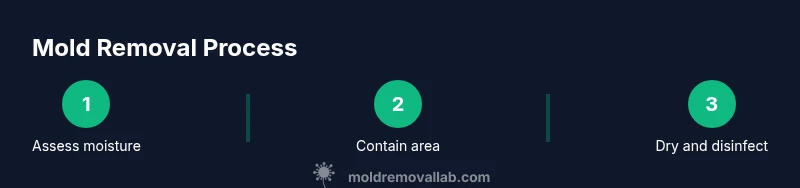
Begin by evaluating the affected area for moisture sources and extent of growth. Put on an N95, goggles, and chemical-resistant gloves before touching any mold. If uncomfortable, stop and re-evaluate safety.
Tip: Ensure a proper seal on your respirator; a loose fit reduces protection. - 2
Isolate the area to prevent spread
Close doors and use plastic sheeting to contain the space. Turn off HVAC in the area to avoid circulating spores throughout the home. Post signs to limit access during cleanup.
Tip: Seal gaps at the door threshold and vent openings with tape. - 3
Identify and fix moisture sources
Find the source of moisture—leaks, condensation, or high humidity—and repair it. Temporary mitigation includes stopping the leak and running a dehumidifier to reduce ambient moisture.
Tip: Document the source and plan a permanent fix; moisture control is the key to long-term success. - 4
Clean nonporous surfaces first
Wipe down hard surfaces with an EPA-registered cleaner or hydrogen peroxide. Use a stiff brush for stubborn patches, then rinse with a damp cloth and dry thoroughly.
Tip: Work from top to bottom to prevent recontamination of cleaned areas. - 5
Address porous materials judiciously
Porous materials like drywall or insulation may require removal and replacement. If the item can be dried and cleaned, proceed with gentle scrubbing and immediate drying.
Tip: Do not attempt to salvage extensively damp porous materials; safer to replace. - 6
Dry the area completely
Run a dehumidifier and fans to accelerate drying. Aim for humidity under 50% and check moisture levels in walls or insulation where visible mold was present.
Tip: Keep air moving across all surfaces and monitor moisture reading over 24-48 hours. - 7
Inspect for remaining growth
Re-inspect cleaned areas after 24 hours of drying. If mold returns or spreads, re-clean and reassess containment and moisture control.
Tip: Use a flashlight to spot micro-mold you may miss by sight alone. - 8
Prevention and maintenance
Address ongoing moisture risks with ventilation improvements and routine checks. Consider waterproofing or sealing vulnerable materials where applicable.
Tip: Set a calendar reminder to recheck humidity and leaks every season. - 9
Decide on professional help if needed
If growth is extensive, involving large areas, HVAC systems, or black mold, hire a certified mold remediation contractor. Health risks and hidden contamination are signals to escalate.
Tip: Document the area and communicate clearly with the contractor about prior cleaning steps.
FAQ
Is all visible mold dangerous, and should I be worried?
Mold can affect health, especially for allergies, asthma, or immune-compromised individuals. Even small patches should be cleaned and the moisture source addressed to prevent regrowth. If you have health concerns, consult a professional.
Mold can affect health, especially for sensitive individuals. Clean it and fix moisture; seek a professional if you have health concerns.
Can I remove mold myself, or do I need a pro?
Small, non-porous areas can often be cleaned safely by a conscientious homeowner with proper PPE and containment. Large areas, porous materials, or growth behind walls should be handled by a qualified mold remediation professional.
You can clean small, non-porous areas yourself with PPE, but bigger or hidden mold should be handled by pros.
Should I use bleach to remove mold?
Bleach can kill surface mold on nonporous surfaces, but it is not always effective for porous materials and can leave residues. Use cleaners recommended for the surface type and follow label directions.
Bleach isn’t always best; use surface-appropriate cleaners and follow instructions.
How long does it take to dry after cleaning?
Drying time depends on humidity, airflow, and material. In most indoor spaces, expect 24-72 hours with active drying and ventilation. Recheck moisture levels to confirm dryness before reoccupying.
Usually 1-3 days with proper drying and ventilation; recheck moisture to confirm dryness.
When should I call a professional?
Call a professional if mold covers a large area, is growing behind walls, involves HVAC systems, or if you experience persistent symptoms. A qualified remediator can safely contain, remove, and treat the space.
If it’s extensive, behind walls, or affects your health, call a professional.
The Essentials
- Identify moisture sources before cleaning.
- Use proper PPE and containment to protect health.
- Dry thoroughly and monitor humidity after cleaning.
- Porous materials with mold often require removal.
- Call a pro for large areas or uncertain risks.