PVC Mold: Identification, Cleaning, and Prevention
Comprehensive how-to guide on identifying pvc mold, safely removing it, and preventing recurrence with moisture control, proper cleaning methods, and maintenance tips for homeowners and renters.


By following this guide, you will identify pvc mold growth, safely remove visible contamination from PVC pipes and fittings, and prevent regrowth by addressing moisture sources and ventilation. The quick answer covers essential safety gear, cleaning methods, and practical prevention steps homeowners can implement today. Know when to call a professional for larger areas.
What is pvc mold and how it forms
Pvc mold refers to fungal growth on PVC plumbing components, joints, or exposed piping. Despite PVC being a plastic material, mold can thrive where moisture lingers, condensation occurs, or leaks exist. The growth is often confined to areas that—while dry to the touch—hold moisture in joints, under insulation, or behind walls near damaged seals. PVC mold can appear as dark green, black, or gray patches and may emit a musty odor. According to Mold Removal Lab, pvc mold is a signal of persistent moisture problems and should be treated promptly to minimize health risks and structural damage. Understanding how mold colonizes on PVC helps you select appropriate cleaning methods that won’t damage the material or push spores into the air.
In most homes, mold on PVC arises after a leak, high humidity, or poor venting in bathrooms, basements, or laundry rooms. Addressing the moisture source is the foundational step. You’ll want to locate pipes, joints, and fittings that show signs of dampness—stains, corrosion, or mineral deposits can indicate leaks. Note whether the mold is growing on the surface or within the material. PVC is relatively nonporous, which means surface cleaning can remove visible growth, but porous materials adjacent to PVC may require disposal if contamination has penetrated beyond the surface.
Why pvc mold is a moisture indicator and why that matters
PVC mold growth signals a moisture imbalance rather than a problem with the plastic itself. Moisture can result from leaks, condensation, or inadequate ventilation. When water sits against PVC pipes, mold can establish a biofilm that spreads spores to nearby areas. This matters because lingering moisture not only fuels regrowth but also increases the risk of respiratory irritation for occupants. In the Mold Removal Lab analysis, moisture control is the most critical factor in preventing pvc mold recurrence. If you see mold on PVC in bathrooms or basements, you should identify the moisture culprit—leaky joints, roof drip-through, or humid air from enclosed spaces—and fix it before thorough cleaning. The mold’s location (behind cabinetry, under sinks, or inside wall cavities) will guide whether you can treat it on the surface or require more extensive remediation.
Health and safety considerations when dealing with pvc mold
Mold exposure can affect individuals differently, with the greatest risk to young children, the elderly, and people with allergies or asthma. When working with pvc mold, you should wear appropriate PPE such as gloves, goggles, and an N95 respirator to minimize inhalation of spores. Ventilate the area by opening windows or using a fan directed away from living spaces. Avoid dry sweeping or using dry methods that may disperse spores into the air. As you work, keep pets and children away from the workspace. If mold growth covers a large area or is embedded behind walls, it is prudent to consult a professional remediator. The Mold Removal Lab team emphasizes safety first and recommends stopping at the first sign of difficulty or extensive contamination.
Assessing the extent of contamination on PVC surfaces
Begin with a visual inspection of all PVC piping in the affected area. Look for discoloration, softness at joints, or cracks where moisture could be entering. For hidden mold, use a moisture meter to identify dampness behind walls or under insulation. Surface mold on PVC is generally more manageable than mold entrenched in porous substrates. If mold shows up on the exterior surface only, you can attempt a surface clean with appropriate cleaners. However, if you notice persistent musty odors, staining, or a large area is involved, treat it as a sign to escalate the remediation approach. Document findings to guide any future moisture-control work and potential professional consultation.
Cleaning methods for pvc mold: what works and what to avoid
Effective cleaning begins with choosing products that are compatible with PVC without causing damage. A mild detergent solution or soap and water can remove surface growth. For more stubborn mold, a diluted solution of white vinegar can be effective on non-porous PVC surfaces. Hydrogen peroxide is another option for disinfection on PVC, but it should be used with care and never mixed with bleach or ammonia. Avoid abrasive scrubbing that could scratch PVC and create microabrasions where moisture can accumulate again. Bleach is sometimes used, but it can degrade PVC seals over time and release strong fumes. Mold Removal Lab recommends starting with less aggressive cleaners and testing a small area first to ensure there is no surface deterioration.
After cleaning, rinse thoroughly with clean water and dry the area completely. If mold persists after cleaning, treat the area again and consider sealing or replacing affected sections of PVC piping if joints or fittings show ongoing leakage. Safe disposal of contaminated cleaning materials is essential to prevent recontamination.
Drying and moisture control to prevent recurrence
Mold returns when moisture remains present. After cleaning, you must dry all PVC surfaces thoroughly. Use high-velocity air to speed evaporation and designate a period of 24-48 hours of drying time in the affected zone. Ensure that ventilation is continuous during this period, and consider using a dehumidifier in damp spaces like basements. Repair leaks promptly and improve air movement around plumbing areas. Sealing or insulating vulnerable joints can also reduce condensation. Ongoing moisture monitoring helps catch issues early. Mold Removal Lab emphasizes that a dry, well-ventilated environment is the best defense against pvc mold coming back.
If you notice recurring dampness, re-evaluate the source of moisture and the effectiveness of your moisture-control measures. Regular inspections of pipes, joints, and seals help prevent mold establishment over time.
Preventive strategies for homes with PVC plumbing
Prevention involves a combination of moisture management and proactive cleaning routines. Use exhaust fans in bathrooms and laundry rooms, run dehumidifiers in damp basements, and fix leaks promptly. Routine checks for condensation on PVC surfaces, especially during humid seasons, can stop problems before they start. Consider applying a PVC-safe sealant to exposed joints to reduce moisture ingress where appropriate. Keep a white vinegar or mild detergent solution on hand for quick spot cleaning, and avoid clutter around plumbing to improve airflow. Education about moisture sources and daily habits is a powerful long-term strategy.
When to call a professional and what to expect
If pvc mold covers a large area (often defined as more than 10 square feet), or if mold returns despite cleaning, you should seek professional remediation. A licensed contractor will assess moisture sources, contain the area to prevent spore spread, remove contaminated materials as needed, and perform a thorough cleaning. They may also test for hidden mold behind walls if there are persistent symptoms. The Mold Removal Lab team suggests verifying credentials, requesting a written remediation plan, and ensuring a moisture-control strategy is included to prevent recurrence. Professional help is advisable for complex or uncertain cases to minimize health risks and structural damage.
Realistic expectations and common mistakes
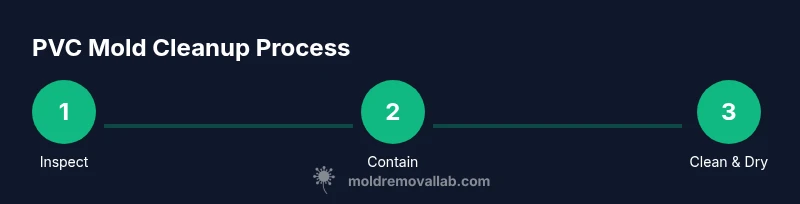
PVC mold cleanup is usually manageable when the area is small, moisture is controlled, and surfaces are properly cleaned and dried. A common mistake is underestimating the moisture problem or skipping ventilation. Another misstep is using overly aggressive chemicals that damage PVC or release harmful fumes. Approach cleaning with patience and follow the recommended sequence: identify moisture, contain, clean, rinse, dry, and monitor. The Mold Removal Lab team notes that consistent moisture-control practices are essential for long-term results.
Tools & Materials
- Nitrile gloves(Chemical-resistant; choose 3-4 mil thickness)
- Safety goggles(Wraparound protection)
- N95 respirator(Fit-tested if possible)
- Plastic sheeting (poly)(Create containment area)
- Disposable coveralls(Keep mold spores off clothing)
- Scrub brush(Non-abrasive for PVC)
- Mild detergent or soap(For initial cleaning)
- White vinegar(Alternative non-toxic disinfectant)
- Hydrogen peroxide (3%)(Disinfectant option; do not mix with bleach)
- Spray bottle(Label for cleaners)
- Bucket(For rinsing and disposal)
- Moisture meter or hygrometer(Track drying progress)
- Dehumidifier or fan(Aids fast drying)
Steps
Estimated time: Estimated total time: 3-5 hours (plus 24-48 hours drying)
- 1
Inspect and plan safety
Identify contaminated PVC areas and outline containment and safety steps. Decide whether mold is surface-level or potentially hidden behind walls. Planning reduces exposure and ensures you have the right PPE and cleaners ready.
Tip: Always start with ventilation and containment. - 2
Set up containment
Cover nearby surfaces with plastic sheeting to prevent spore spread. Seal doors and vent openings if possible. Keep pets and children away from the work zone.
Tip: Containment minimizes cross-contamination. - 3
Don PPE and isolate area
Put on gloves, goggles, and an N95 respirator. Avoid touching moldy areas and wash hands after removing PPE. Keep the work area isolated to prevent spores from migrating.
Tip: Do not reuse contaminated PPE without proper cleaning. - 4
Clean surface mold
Wipe PVC surfaces with a mild detergent solution, then rinse with clean water. For stubborn spots, use a vinegar wash or hydrogen peroxide, applying to a cloth or spray bottle and letting sit briefly before wiping.
Tip: Test a small area first to ensure no surface damage. - 5
Rinse and dry
Rinse off cleaners with water and dry thoroughly. Use towels or a dry cloth and then a fan to accelerate drying. Ensure joints and crevices are completely dry.
Tip: Moisture removal is key to preventing regrowth. - 6
Assess moisture sources
Check for leaks, condensation, or poor ventilation. Repair leaks and improve airflow around PVC piping. Consider insulation or sealing to reduce future moisture accumulation.
Tip: Address root causes before reassembling or sealing. - 7
Drying phase and monitoring
Keep the space well-ventilated for 24-48 hours after cleaning. Use a dehumidifier to maintain low humidity. Re-check moisture levels with a meter until the area stabilizes.
Tip: A stable environment prevents mold return. - 8
Final assessment and prevention
Perform a final visual check and verify there’s no odor or dampness. Implement preventive measures like regular humidity checks, venting improvements, and timely leak repairs.
Tip: Create a simple maintenance routine to catch problems early.
FAQ
Is pvc mold dangerous to health?
Mold exposure can irritate airways and worsen allergies or asthma in some people. Taking proper precautions and limiting exposure during cleanup reduces risk. If symptoms persist, seek medical advice.
Mold exposure may irritate airways; use protective gear and limit exposure during cleanup, and consult a professional if you have persistent symptoms.
Can I use bleach to clean pvc mold?
Bleach can be used cautiously on non-porous PVC surfaces in well-ventilated spaces, but it can corrode seals over time and release strong fumes. Test first and avoid mixing with other cleaners.
You can use bleach cautiously on PVC, but test first and avoid mixing with other cleaners to reduce fumes and damage.
What if mold keeps returning after cleaning?
Recurring mold often signals ongoing moisture problems. Reassess for leaks, condensation, or poor ventilation. Consider professional assessment if the issue persists.
If mold keeps coming back, check for leaks or humidity and get a pro if problems persist.
When should I call a professional?
Call a professional if the mold covers a large area, is behind walls, or if you are unsure about safe cleanup. A pro can contain the area, perform remediation, and advise on moisture control.
Call a pro if the mold is large, hidden, or you’re unsure how to clean safely.
How can I prevent pvc mold in the future?
Maintain low indoor humidity, fix leaks promptly, improve ventilation around plumbing, and schedule periodic inspections of PVC piping and joints to catch issues early.
Keep humidity low, fix leaks fast, and check plumbing to prevent mold from returning.
Watch Video
The Essentials
- Identify moisture sources before cleaning
- Use surface-safe cleaners on PVC and avoid harsh chemicals
- Dry thoroughly to prevent recurrence
- Improve ventilation to reduce humidity
- Always document findings and plan for preventive maintenance