Plastic Mold Cleanup: Safe Removal & Prevention Guide
Learn practical, step-by-step methods to identify, clean, and prevent plastic mold growth on common plastics. Expert guidance from Mold Removal Lab.


By the end, you’ll identify plastic mold growth, assess moisture sources, and safely clean and prevent future outbreaks on plastic surfaces like containers, toys, and storage bins. This guide covers detection, containment, cleaning methods, and when to call a pro, plus simple maintenance to keep plastic items mold-free. Real-world examples, risk factors, and checklists help you act quickly. Start today with basic safety steps.
What is plastic mold and how it forms on plastic surfaces
Plastic mold is a common household problem that appears as fuzzy patches or slimy films on plastic items. It develops when moisture, organic debris, and warmth combine to support fungal growth. Unlike mold on porous materials, mold on plastic surfaces often clings to dust, soap scum, or residue rather than digging into the plastic itself. You may notice black, green, white, or gray patches, especially in kitchens, bathrooms, laundry rooms, and stored items. Because plastic items often move between rooms, spores can spread if you don’t address the moisture source. The key is recognizing plastic mold early and not letting damp conditions linger. Regular cleaning and drying routines dramatically reduce recurrence, making plastic items safer for family use.
Why plastic mold matters: Although many plastics are nonporous, mold can still grow on the surface areas, seams, and textured patterns where grime accumulates. Left unchecked, mold can cause odors, discoloration, and potential allergic reactions, particularly for sensitive individuals. The Mold Removal Lab team emphasizes moisture control as the backbone of any successful remediation plan.
Common sources of moisture that promote mold growth on plastic
Most plastic mold begins where moisture sits, gathers dust, and remains undisturbed for days. Common culprits include leaks under sinks, condensation on cool surfaces, high humidity in bathrooms, and poorly ventilated storage areas. Laundry rooms and basements often trap moisture behind bins and shelves, creating micro-environments where mold thrives on any film of grime. Mold on plastic surfaces is more likely when cleaning routines are infrequent and when items are stored in damp piles. To break the cycle, address the moisture source first, then prioritize thorough drying and air movement. The Mold Removal Lab approach consistently prioritizes source control as the most effective prevention strategy.
Practical signal checks: look for persistent odors, visible discoloration, or powdery residues that reappear after cleaning. If you notice mold across many items or on highly porous plastics, consider consulting a professional remediation service to avoid cross-contamination.
Health, safety, and PPE when tackling plastic mold
Mold exposure can irritate eyes, skin, and the respiratory system, especially for people with allergies or asthma. When working with plastic mold, wear appropriate PPE: disposable nitrile gloves, an N95 respirator or equivalent, and protective goggles. Ensure the workspace is well-ventilated by opening windows or using a fan directed away from you. Keep children and pets away during cleanup. If you have a compromised immune system or chronic conditions, pause the project and seek professional guidance. After cleanup, wash hands thoroughly and launder contaminated fabrics separately from regular laundry.
Safe handling principles: avoid mixing strong cleaners indoors, never splash cleaners onto electrical outlets, and dispose of contaminated disposable items in sealed bags. These steps minimize exposure and prevent spread of spores to other areas.
Assessing severity: DIY vs professional remediation decisions
Small, nonporous plastic items with light surface mold can often be cleaned effectively by homeowners using gentle cleaners and thorough drying. When mold has penetrated porous plastics, fabric-like textures, or large areas, DIY cleanup becomes riskier and less reliable. If you notice persistent odor after cleaning, recurring patches, or hidden mold behind panels, a professional remediation service can contain contamination safely and ensure proper disposal of contaminated materials. The decision to call a pro should also consider the item's value, whether it touches food, and potential health risks for household members.
Decision cues: evaluate area size, material porosity, and whether you can access all affected surfaces safely. If in doubt, prioritize safety and consult Mold Removal Lab guidance for a professional assessment.
Step-by-step remediation plan at a glance
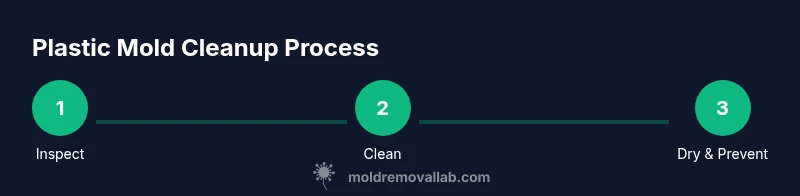
This section provides a high-level plan to anchor your DIY approach. Refer to the formal Step-by-Step block for detailed actions and timings. The plan emphasizes containment, cleaning with appropriate cleaners, thorough drying, and moisture control to prevent regrowth.
- Contain the area to prevent spores from spreading to other items.
- Choose gentle, plastic-safe cleaners and test on a hidden spot first.
- Clean surfaces with deliberate, non-abrasive motions.
- Rinse or wipe away residues and dry completely.
- Increase air circulation and reduce humidity to prevent recurrence.
- Inspect periodically and repeat cleaning if needed.
Cleaning methods for different plastic types: non-porous vs porous
Non-porous plastics (like high-density polyethylene and polycarbonate) can usually be cleaned with mild detergents, warm water, and gentle scrubbing. Porous plastics (such as some lightweight containers with matte finishes) may trap mold spores more deeply and require more careful treatment or rehoming if contamination is extensive. For non-porous plastics, a vinegar-water solution or baking soda paste can be effective without damaging finishes. Avoid abrasive pads that could scratch surfaces and create more nooks for mold to hide. Always test a small area first.
Practical rule of thumb: start with milder cleaners; escalate to stronger options only if you observe stubborn patches that do not respond to basic cleaning.
Prevention strategies to keep plastic mold from returning
Effective prevention combines moisture control, regular cleaning, and proper storage. Use dehumidifiers in damp spaces, improve ventilation around laundry and storage areas, and ensure items dry completely before returning to storage. Store plastics off the floor and away from walls where condensation collects. Wipe down surfaces after each use in humid rooms and consider placing silica gel packs in storage bins. If you notice recurring mold on the same items, consider replacing the item or treating it with a sealant appropriate for the plastic type to reduce future absorption of moisture.
Maintenance mindset: treat prevention as an ongoing habit rather than a one-time step. The Mold Removal Lab team recommends periodic checks to catch moisture issues before they become mold outbreaks.
Common mistakes to avoid during plastic mold cleanup
- Using bleach on colored or painted plastics, which can damage finishes and release fumes.
- Skipping drying steps or leaving items damp, which invites regrowth.
- Cleaning with abrasive tools that scratch surfaces and harbor mold.
- Ignoring hidden areas like seams, hinges, and underside labels where mold can persist.
- Ignoring ventilation; cleanup in a poorly ventilated space spreads spores.
Tools & Materials
- Gloves (nitrile)(Disposable, chemical-resistant)
- N95 respirator(Fit-tested if possible)
- Safety goggles(Eye protection against splashes)
- Bucket and warm water(For rinsing and dilution)
- Mild dish soap or detergent(Gentle on plastics)
- White vinegar(Antimicrobial rinse option)
- Baking soda(For paste or deodorizing rinse)
- Plastic-safe brush or sponge(Non-abrasive)
- Towels or microfiber cloths(For drying and polishing)
- Spray bottle(For vinegar or cleaner mixtures)
- Dehumidifier or fan(To improve drying and air flow)
- Sealable trash bags(For disposal of contaminated materials)
Steps
Estimated time: 1.5-2 hours
- 1
Inspect and isolate
Survey mold-affected areas on plastic surfaces and surrounding materials. Identify the least contaminated path to work away from other items, and place a containment barrier to limit spores from spreading. This keeps the cleanup focused and reduces the risk of cross-contamination.
Tip: Plan your route before you start to minimize spreading spores. - 2
Gather supplies and put on PPE
Assemble all required tools and materials before you begin. Don’t skip the PPE because safe, clean work conditions protect your health and reduce exposure to mold spores during handling.
Tip: Check respirator fit and replace disposable gloves when damaged. - 3
Pre-clean and remove loose debris
Wipe off visible grime and loose spores with a dry microfiber cloth first, then use a damp cloth to remove remaining residue. This step reduces the amount of material you’ll need to scrub and minimizes water exposure that can spread spores.
Tip: Avoid soaking items at this stage; excess moisture promotes mold growth. - 4
Clean with the right solution
For non-porous plastics, mix a mild detergent with warm water or use a diluted vinegar solution. Apply with a sponge or soft brush, agitating gently to lift mold. Rinse with clean water and wipe dry.
Tip: Test a small, inconspicuous area first to ensure no discoloration. - 5
Rinse and thoroughly dry
Remove soap residues completely and dry surfaces with clean towels. If possible, use a fan to accelerate drying, aiming for complete dryness before storing items back in a space.
Tip: Mold thrives in moisture; ensure items are dry to the touch before return. - 6
Moisture control and ongoing prevention
After cleanup, address ventilation and humidity in the area. Keep storage spaces dry, use dehumidifiers as needed, and periodically inspect for new mold growth. Regular quick cleanups help prevent a recurrence.
Tip: Monitor humidity levels and maintain a dry environment for at least 48 hours post-cleanup.
FAQ
What is plastic mold and how does it form on plastic surfaces?
Plastic mold refers to mold growth on plastic items, usually caused by moisture, grime, and warmth. It often grows on the surface and seams rather than inside the plastic, especially if there is a film of dust or residue. Early detection and moisture control are key to effective remediation.
Plastic mold grows on plastic surfaces when moisture and debris accumulate. Start by controlling moisture, then clean the surface with mild cleaners and dry thoroughly.
Can I remove plastic mold myself, or should I hire a pro?
For small, nonporous plastics with light mold, DIY cleanup using mild cleaners is often sufficient. If mold covers porous plastics, is widespread, or recurs after cleaning, or if anyone in the home has health concerns, consider professional remediation to prevent recontamination.
You can handle small, nonporous plastic mold yourself, but large or porous areas and persistent issues may require a professional.
What cleaners are safe for plastic mold cleanup?
Start with mild dish soap and warm water. Diluted white vinegar or a baking soda paste can help with stubborn patches. Avoid chlorine bleach on many plastics and always test a small area first to prevent damage.
Use mild detergents or vinegar with water; test first, and avoid bleach on many plastics to prevent damage.
How can I prevent plastic mold from returning?
Control moisture by improving ventilation, using dehumidifiers, and drying items completely after cleaning. Store plastics off the floor and in dry spaces, and regularly inspect areas prone to moisture.
Keep areas dry and well-ventilated, and dry items completely after cleaning to prevent mold from returning.
Is mold on plastic dangerous to health?
Exposure can trigger allergies or asthma in sensitive individuals. Wear PPE during cleanup, and if you have health concerns or symptoms worsen, consult a healthcare professional.
Mold can affect health, especially if you’re sensitive. Protect yourself during cleanup and seek medical advice if needed.
How long does remediation take for a typical household plastic mold issue?
Most small cleanups take 1-2 hours; larger or more involved cases can require a few hours. Plan for adequate drying time and follow-up inspections to ensure mold is gone.
Most small jobs take a couple hours; bigger jobs may take longer. Don’t rush the drying phase to prevent regrowth.
Watch Video
The Essentials
- Identify moisture sources to stop mold growth
- Contain the area to prevent spore spread
- Use plastic-safe cleaners and dry thoroughly
- Maintain low humidity to prevent recurrence