Polish Mold: Safe Cleaning and Prevention Guide
Learn how to polish mold safely with a step-by-step remediation plan, PPE, non-toxic cleaners, and moisture control to prevent regrowth. Expert guidance from Mold Removal Lab helps homeowners restore a healthy home.


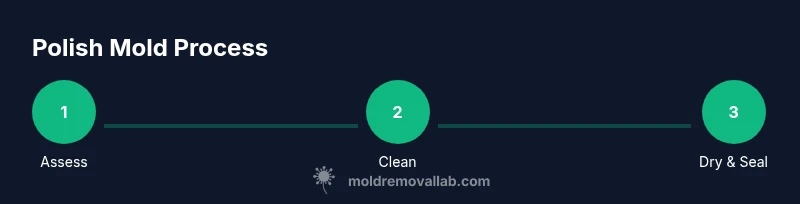
Polish mold safely by following a complete remediation plan that prioritizes PPE, moisture control, and non-toxic cleaners. You’ll assess the growth, clean the surfaces, dry thoroughly, and implement prevention strategies to reduce recurrence. This guide emphasizes safe techniques, proper ventilation, and practical maintenance so you can restore a healthy home without relying on harsh chemicals. Each step aligns with Mold Removal Lab guidance to protect indoor air.
Understanding the Problem: What polish mold means in remediation
Polish mold refers to the final cleaning and finishing steps after visible growth has been removed, focusing on smooth, sealed surfaces and moisture control to limit regrowth. In practice, it means treating surfaces with safe cleaners, drying thoroughly, and sealing or repainting where needed. According to Mold Removal Lab, a clear remediation plan reduces moisture problems and lowers the chance of future outbreaks. This approach emphasizes why mold thrives in damp environments and how small actions now prevent larger problems later. For homeowners, the goal is not to 'polish away' mold but to stabilize the environment so it cannot reestablish itself.
Polish mold is not a single action but a phase of remediation that combines cleaning, drying, sealing, and monitoring. The most effective results come from addressing root causes—typically moisture and ventilation issues—rather than just treating the surface. In this section, you’ll learn to distinguish surface residues from embedded growth and how to prioritize areas that are most at risk of regrowth.
Safety First: PPE, ventilation, and safe handling
Safety is non-negotiable when dealing with mold. Wear an N95 respirator or better, protective goggles, and disposable gloves. Long sleeves and pants reduce skin exposure, while a well-ventilated area prevents inhalation of spores. Never mix cleaners like bleach with ammonia or vinegar, as dangerous vapors can form. Keep children and pets away during cleaning, and seal the work area with plastic sheeting to contain spores. Consider a dedicated fan blowing air out of the room to improve ventilation. Mold Removal Lab emphasizes that safety is the foundation of any mold remediation project. By preparing properly, you reduce the risk of irritation, allergic reactions, or more serious health concerns.
This phase also involves planning for waste disposal and establishing a clear cleanup protocol so you don’t contaminate other areas of your home. If you have asthma or COPD, consult a professional before starting. If a surface is fragile or if mold has penetrated porous materials, it’s safer to step back and evaluate professional options sooner rather than later.
Assessing the Area: moisture sources and scope
Begin with a thorough assessment to determine the extent of the mold and the source of moisture. Look for leaks in pipes, roofs, windows, or walls, and measure humidity levels with a hygrometer. Visible mold on nonporous surfaces is easier to address than hidden growth behind drywall or under flooring. Mold Removal Lab Analysis, 2026, highlights the importance of identifying moisture drivers before cleaning, because moisture returns mold growth even after a surface is scrubbed. Document affected areas, take photos, and map out zones that need dry-out time. A precise scope helps you plan drying strategies and decide what materials can be cleaned, repaired, or discarded.
In this step, safety remains essential: avoid disturbing dusty areas that release spores into the air. Use containment techniques if you suspect extensive growth, especially in concealed spaces like basements or crawl spaces.
Tools and Materials: what you need to polish mold safely
Prepare a kit of essential tools and materials, focusing on safety and effective cleaning. Items include a properly fitted N95 respirator, protective goggles, disposable gloves, and coveralls or long sleeves. Have plastic sheeting and painter’s tape to seal off the work area, microfiber cloths for dust-free wiping, and brushes for scrubbing. For cleaners, keep a mild detergent, white vinegar, and hydrogen peroxide on hand, plus baking soda for deodorizing. A spray bottle, bucket, and scrub sponges help with application and rinsing. Finally, a moisture meter or hygrometer and a dehumidifier or fan will aid in drying and preventing recurrence.
Organize supplies by zone to minimize cross-contamination, and dispose of contaminated materials in heavy-duty bags. This approach minimizes the spread of spores and keeps living areas safe while you polish mold.
Cleaning Agents: when to use detergents, vinegar, or hydrogen peroxide
Detergent and water form the base for gentle cleaning on many surfaces, especially non-porous ones. White vinegar is a common natural option that can disrupt some mold growth without harsh fumes. Hydrogen peroxide at 3% can be effective for stubborn spots on nonporous surfaces, but test on a hidden area first to ensure it won’t damage finishes. Bleach is generally not recommended for porous materials because it may not reach embedded colonies and can discolor or degrade surfaces over time. Baking soda helps deodorize and can assist with mild scrubbing. For severe or porous mold, professional remediation is advisable. Mold Removal Lab suggests starting with the mildest effective cleaner and escalating only if necessary.
Always test cleaners on a small, inconspicuous area before full-scale application, and ensure proper ventilation during chemical use.
Cleaning Techniques: how to scrub, rinse, and dry without spreading spores
Begin with dry brushing to loosen surface spores before applying liquids. Use a soft-bristle brush for delicate surfaces and a stiffer brush for tough grime. Apply cleaner in small sections, allowing it to dwell briefly before scrubbing, then rinse with clean water and wipe dry. Work from least contaminated areas toward the most contaminated areas to minimize spreading. Rinse tools frequently to avoid spreading mold residues between zones. After cleaning, dry the area thoroughly using fans or dehumidifiers and open windows if outdoor air quality is suitable. This reduces residual moisture and discourages regrowth. The goal is to create a surface that looks clean and feels dry, not damp or greenish, which signals ongoing moisture problems.
Take care with materials like drywall or fabric; if molding is deep or extensive, consider discarding affected porous items to prevent future issues.
Drying and Sealing: finishing touches to prevent regrowth
Thorough drying is the next critical step after cleaning. Use dehumidifiers to bring humidity below 50–60% and keep air moving with fans until the area is completely dry. For porous materials that can hold moisture, sealing with mold-resistant paint or primer can help protect against future growth. If you’re dealing with wood, consider applying a sealant that blocks moisture ingress. Regularly monitor humidity levels in the cleaned area for several days following remediation. Mold Removal Lab notes that proper drying and sealing are often the deciding factors between temporary cleanup and long-lasting results.
Ensure that any sealing or painting is fully cured before reoccupying the space, and repaint or re-seal walls after inspection confirms sustained dryness.
Prevention Strategies: long-term moisture and airflow management
Prevention hinges on moisture control and good airflow. Fix leaks promptly, improve bathroom and kitchen ventilation with exhaust fans, and run dehumidifiers in damp basements or crawl spaces. Use moisture-absorbing products in closets and cabinets where humidity tends to rise. Regularly inspect susceptible areas—around windows, pipes, and exterior walls—for signs of moisture or mold. Keep indoor surfaces clean and dry, wipe down after showers, and address recurring condensation on cold surfaces. By maintaining a dry environment, you’ll dramatically reduce the chances of mold returning after you polish mold.
When to Call a Pro: signs you need professional remediation
If mold covers a large area, penetrates porous building materials, or recurs despite cleaning, professional remediation is warranted. Large-scale work, complex moisture problems, or suspected hidden growth behind walls require specialized equipment and containment. In homes with pets, children, or respiratory conditions, professional help is even more important to minimize health risks. A licensed mold professional can perform thorough testing, identify moisture sources, and provide a comprehensive remediation plan to ensure lasting results. Mold Removal Lab recommends seeking expert advice when the situation exceeds your comfort level or available tools.
Case Study: a real-world example of polishing mold in a bathroom
A rental bathroom with recurring mold growth after shower use illustrates the polish mold process. Inspectors identified a hidden leak behind the shower stall and elevated humidity. After repairs, the area was sealed and dried, with non-toxic cleaners used to remove visible mold on ceramic tiles. The owner implemented consistent ventilation and a moisture-control plan, reducing recurring growth. This example demonstrates how identifying moisture sources, performing careful cleaning, and maintaining dry conditions can restore safety and comfort in occupied spaces.
Common Mistakes and Quick Start Checklist
Common mistakes include skipping safety gear, using excessive moisture during cleaning, and neglecting drying time. Always ventilate, test cleaners, and avoid mixing chemicals. Quick-start checklist: 1) Put on PPE and seal the area; 2) Identify moisture sources; 3) Vacuum loose spores; 4) Clean with mild detergent or vinegar; 5) Dry completely; 6) Seal and monitor humidity.
Tools & Materials
- N95 respirator(Fit-tested if possible; replace if damaged)
- Protective goggles(Chemical splash protection)
- Disposable gloves (nitrile)(Change between zones)
- Coveralls or long-sleeve clothing(Washable or disposable)
- Plastic sheeting and painter's tape(Seal work area)
- Microfiber cloths(Lint-free for drying and polishing)
- Soft-bristle brush(Delicate surfaces)
- Stiff-bristle brush(Tubborn grime on nonporous surfaces)
- Spray bottles(Label clearly for cleaners)
- Buckets(For dilution and rinsing)
- Mild detergent(Non-bleach; use sparingly)
- White vinegar (5-7%)(Natural cleaner option)
- Hydrogen peroxide (3%)(Spot cleaning on nonporous surfaces)
- Baking soda(Deodorizing and mild scrub)
- Moisture meter/hygrometer(Monitor humidity levels)
- Dehumidifier or fan(Assist drying)
- Heavy-duty trash bags(Dispose of contaminated materials)
- Mold-resistant sealant/paint(Apply after drying)
Steps
Estimated time: 2-4 hours active work; drying time varies by area
- 1
Assess scope and safety
Survey affected areas, map the mold growth, and identify moisture sources. Decide if the job is small enough to DIY or if professionals are needed. Document findings with photos for reference.
Tip: Start with the least contaminated area to avoid spreading spores. - 2
Prepare the area and PPE
Put on PPE, seal off the space with plastic sheeting, and remove or cover nearby items. Protect HVAC intakes to prevent dust spread and ensure ventilation.
Tip: Pre-ventilation reduces airborne spores during cleaning. - 3
Eliminate moisture sources
Repair leaks, improve drainage, and use a dehumidifier to reduce relative humidity below 60%. Persistent moisture must be addressed to prevent recurrence.
Tip: Moisture control is the most effective long-term mold solution. - 4
Clean visible mold with mild cleaners
Gently scrub surfaces with detergent or vinegar. Avoid aggressive scrubbing on porous materials that may release spores into the air.
Tip: Test a small area first to confirm no surface damage. - 5
Rinse and dry thoroughly
Wipe surfaces with clean water, then dry completely using towels and fans. Do not leave damp areas unattended.
Tip: Use a moisture meter to confirm dryness before moving on. - 6
Seal and protect porous surfaces
Apply a mold-resistant sealant or paint where appropriate after drying. This adds a moisture barrier to prevent future growth.
Tip: Wait for full curing time as recommended by product label. - 7
Document and monitor
Keep logs of humidity, cleaning dates, and observed growth. Revisit areas periodically to verify stability and address any new moisture sources promptly.
Tip: Set a seasonal reminder to re-check humidity levels.
FAQ
Is it safe to polish mold myself?
Yes, for small, non-porous areas with proper PPE and ventilation. For larger or porous areas, or if you have health concerns, consider professional remediation.
Yes, for small areas with PPE and ventilation. For larger or porous areas, seek professional help.
Can I use bleach to kill mold on wood?
Bleach is not recommended for wood or porous materials as it may not reach embedded mold and can damage the finish. Use milder cleaners or professional guidance.
Bleach isn’t ideal for wood; use gentler cleaners or consult a pro.
How long does it take to dry after polishing mold?
Drying time depends on area size, material, and airflow. Use dehumidifiers and fans to speed up drying and recheck humidity levels before reoccupying.
Drying varies; use fans and a dehumidifier and recheck humidity.
What if mold keeps coming back after cleaning?
Recurring mold usually signals ongoing moisture problems. Reassess leaks, ventilation, and humidity; consider professional remediation if the issue persists.
If mold returns, moisture is still there; recheck sources and consider a pro.
Is vinegar effective for all mold types?
Vinegar works for many surface molds but may not eliminate deep or strongly adherent growth. Test first and combine with other methods as needed.
Vinegar helps many surfaces, but not all mold types; test and pair with other methods.
When should I hire a professional for crawl spaces?
Crawl spaces often require specialized containment and equipment. If the area is large, dark, or inaccessible, hire a licensed professional.
Hire a pro for large or hard-to-reach crawl spaces.
The Essentials
- Start with safety and moisture control.
- Use the gentlest effective cleaners.
- Dry completely and monitor humidity.
- Seal and maintain to prevent recurrence.