Anti Mold: A Practical DIY Remediation Guide
A comprehensive, field-tested guide for homeowners on anti mold remediation. Learn safe steps, cleaning methods, moisture control, and long-term prevention to protect indoor air quality.


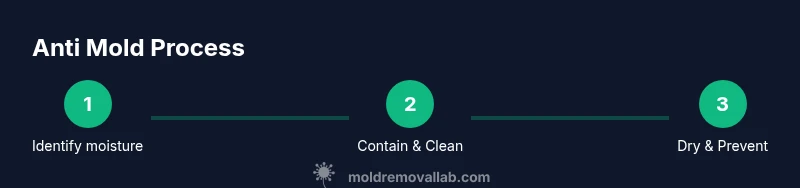
You can achieve a safer, mold-free home by following a practical three-phase process for anti mold remediation: identify moisture sources, clean and disinfect safely, and install lasting prevention measures. This quick plan emphasizes PPE, ventilation, careful drying, and documenting progress to ensure lasting results. By following these steps you reduce health risks for family members and avoid costly repairs. This approach aligns with Mold Removal Lab guidance.
What anti mold really means and why it matters
According to Mold Removal Lab, anti mold isn’t a one-off cleaning job; it’s a deliberate, ongoing strategy to prevent mold growth by controlling moisture, improving drying times, and maintaining clean, dry surfaces. Mold exposure can trigger allergies and asthma-like symptoms, especially for children and occupants with sensitivities. Anti mold, therefore, is a combination of moisture management, surface cleaning, and proactive prevention that reduces health risks and protects the home’s structural integrity. The concept extends beyond a single spray or wipe: it’s about building a dry, ventilated, and well-sealed environment that discourages mold spores from taking hold. As with any home improvement, the goal is durable results, not quick fixes. When you pursue anti mold, you’re investing in safer indoor air and lower repair costs over time. Consider this approach a practical blueprint for long-term mold resilience in any living space.
Assessing moisture and mold risk in your home
Mold thrives where moisture lingers. Start by locating sources of dampness—leaky pipes, roof penetrations, or condensation on cold surfaces. Use a hygrometer to measure relative humidity (RH) and aim for 30–50% in most rooms; higher RH, especially above 60%, sustains mold growth. Look for visual clues: stains, musty odors, or dark spots on walls, ceilings, and insulation. Hidden moisture behind drywall or under flooring can harbor mold long before it becomes visible. Document findings with photos and notes. Remember, anti mold success hinges on identifying and addressing moisture at its source, not just cleaning the visible mold. This approach echoes Mold Removal Lab analyses that emphasize moisture control as the first line of defense against mold recurrence.
PPE and safety: protecting your health during anti mold work
Always prep with proper personal protective equipment (PPE): an N95 respirator or better, chemical-resistant gloves, eye protection, and long sleeves. Contain the work area with plastic sheeting to prevent spores from spreading to other rooms. Turn off HVAC or seal registers to avoid circulation of spores, and ensure adequate ventilation by opening windows if safe to do so. Do not eat or drink in the contaminated area, and wash hands thoroughly after handling moldy materials. These precautions reduce exposure and improve the effectiveness of anti mold procedures, supporting safer, more comfortable remediation.
Cleaning by surface: porous vs non-porous materials
Non-porous surfaces (like glass, metal, and sealed concrete) are typically easier to disinfect, using soap and water or an EPA-registered cleaner. Porous materials (like drywall, wallpaper, and fiberglass insulation) may absorb mold; where possible, remove and dispose of affected materials to prevent regrowth. For disinfection, a straightforward approach—clean with detergent, rinse, then apply a neutralizer or vinegar solution—often works well. Hydrogen peroxide is an option for milder cases, while bleach is generally discouraged on porous materials due to limited penetration and potential odor problems. Always follow label directions and avoid mixing cleaners, which can release hazardous gases. Anti mold success depends on both effective cleaning and subsequent dryness to deter regrowth.
Drying and moisture control after cleaning
After cleaning, rapid drying is critical to prevent rebound growth. Use dehumidifiers to pull moisture from the air and fans to increase air circulation, especially in basements or bathrooms where humidity tends to linger. Aim to drop RH below 50% as soon as possible and keep the area dry for at least 24–48 hours. Check for hidden moisture using a moisture meter behind walls or under flooring if accessible. Sustained dryness prevents mold from reestablishing itself and supports the long-term anti mold strategy.
Prevention strategies to maintain long-term anti mold results
Prevention is more cost-effective than repeated remediation. Fix leaks promptly, improve ventilation in kitchens and bathrooms, and install vapor barriers in crawl spaces or basements where moisture is common. Regularly inspect areas prone to dampness, such as windows, pipes, and outdoor walls, for signs of moisture intrusion. Use exhaust fans during showers and cooking, and consider a whole-home dehumidifier in humid climates. Small, consistent habits—like wiping down surfaces after moisture exposure and ensuring proper drainage away from the home—keep mold from returning and preserve indoor air quality.
When to call a professional: red flags and thresholds
If you encounter mold growth that covers more than a few square feet, if you discover persistent moisture or hidden mold behind walls, or if you have health symptoms that improve only after cleaning, consult a certified mold remediation professional. Structural damage, such as warped drywall or compromised insulation, also warrants expert intervention. A pro can safely contain the area, assess hidden moisture, and recommend specialized treatments or repairs. Remember, some situations require professional tools and methods beyond DIY safety scopes, particularly when asbestos or extensive contamination is involved.
Cost considerations and budgeting for anti mold projects
Costs vary with the size of the space, the extent of contamination, and whether structural repairs are needed. A simple, small-area cleanup may be relatively affordable if the problem is caught early, while extensive remediation and structural repair can be more substantial. Plan for PPE, cleaning supplies, dehumidification equipment, potential material replacement, and ongoing humidity control. Prioritize a prevention-focused budget to minimize future outbreaks. Mold prevention is an investment: early, thorough anti mold work can save money in the long run by avoiding repeated remediation and damage.
Common mistakes to avoid in anti mold work
Rushing the job or skipping containment can spread spores to clean areas. Using the wrong cleaners for porous materials may leave residues that encourage regrowth. Under-drying or relying on fans without dehumidification creates a moist environment that sustains mold. Ignoring hidden moisture behind walls leads to recurring problems. Finally, neglecting to address root causes—like leaks or ventilation gaps—means the mold will return. Learning from these mistakes helps ensure your anti mold effort is durable and safe.
Pro tips for DIY anti mold projects
Keep humidity consistently low, fix leaks first, and document each step with photos and notes. Start with non-porous surfaces and work toward porous materials, removing contaminated items when necessary. Run dehumidifiers continuously for 24–72 hours after cleanup, then re-check for moisture and signs of regrowth. A steady, methodical approach aligns with Mold Removal Lab recommendations and yields the most reliable, long-lasting anti mold results.
Tools & Materials
- PPE kit (N95 mask, safety goggles, gloves, protective clothing)(Choose a well-fitting, reputable respirator for mold spores.)
- Plastic sheeting and tape(Use to contain the work area and prevent spread.)
- HEPA-filter vacuum(Essential for removing fine spores from surfaces.)
- Detergent soap and microfiber cloths(Base cleaning supplies for initial wipe-down.)
- White vinegar and hydrogen peroxide (separate applications)(Natural cleaners for mild mold; do not mix.)
- Spray bottles and measuring cups(For accurate dispensing of cleaners and solutions.)
- Disposal bags (heavy-duty)(Double-bag and seal to remove contaminated materials safely.)
- Dehumidifier(Critical for removing ambient moisture during and after cleanup.)
- Fans or air movers(Increase air circulation to aid drying.)
- Moisture meter / moisture sensor(Helpful to identify hidden moisture behind walls.)
- Sealant or waterproofing for exterior walls(Use after leaks are fixed to prevent future moisture ingress.)
Steps
Estimated time: 2-6 hours
- 1
Identify moisture sources
Scan the area for leaks, condensation, and water intrusion. Document all signs of dampness with photos and notes, and prioritize sources that contribute most to humidity. This step is crucial to an effective anti mold plan because moisture drives mold growth.
Tip: Mark moisture hotspots on a floor plan to visualize where to start. - 2
Don PPE and set containment
Put on your PPE before touching any moldy surfaces. Use plastic sheeting to isolate the space, and seal doors and vents if possible. Containment reduces cross-contamination during cleaning.
Tip: Keep a spare set of PPE on-site in case you need to re-clean after a drying phase. - 3
Remove or repair contaminated materials
Carefully remove porous materials that show active mold growth or have sustained moisture damage. Where possible, discard them in sealed bags. Replace with new materials once remediation is complete.
Tip: If in doubt, consult a professional for material removal to prevent spread. - 4
Clean and disinfect surfaces
Wash non-porous surfaces with detergent and water, rinse, then apply a disinfectant or natural alternative like vinegar for mild cases. Avoid mixing cleaners. Allow surfaces to dry fully before proceeding.
Tip: Always test cleaners on a hidden area first to ensure no surface damage. - 5
Dry thoroughly and monitor moisture
Run a dehumidifier and fans to speed up drying. Check RH with a hygrometer and maintain below 50% when possible. Re-check after 24–48 hours for any residual moisture.
Tip: If moisture returns, address the root cause before proceeding. - 6
Address root causes and improve ventilation
Repair leaks, seal windows, and upgrade ventilation in bathrooms and kitchens. Ensure warm air can circulate and moisture is vented to the outdoors. This helps prevent future anti mold issues.
Tip: Consider installing a bathroom exhaust fan with a timer for consistent use. - 7
Re-inspect and document
Inspect the treated area after drying and again in about a week. Document any signs of new mold growth and humidity changes. Create a maintenance plan based on findings.
Tip: Keep a simple log of humidity levels and cleaning dates. - 8
Implement long-term prevention
Apply moisture barriers where appropriate, maintain predictable humidity, and schedule regular checks in damp zones. Build a routine to catch problems early.
Tip: Set a yearly reminder to re-check moisture-prone areas. - 9
Decide on follow-up professional support
If mold recurs or if the affected area is large, plan a professional remediation. A pro can use advanced containment and remediation methods safely.
Tip: Keep professional contact information handy for future incidents.
FAQ
What does anti mold mean, and why should I care?
Anti mold refers to a set of practices designed to prevent mold growth by controlling moisture, cleaning effectively, and maintaining dry conditions. It matters because mold can impact health and home durability. Following a structured approach helps achieve durable results rather than temporary fixes.
Anti mold is a plan to stop mold by managing moisture, cleaning well, and staying dry. It matters for health and home preservation.
Can I do anti mold remediation myself?
Small, well-contained mold problems can often be addressed by homeowners using proper PPE, containment, and drying. Larger areas or persistent mold may require a professional remediation specialist to ensure safety and prevent spread.
If the area is small and well-contained, you can do it yourself with PPE and drying. For big or recurring mold, call a pro.
How do I know if the area is dry after cleaning?
Use a hygrometer to measure relative humidity and aim for under 50%. Inspect visually for any ongoing dampness and re-check after 24–48 hours. Persistent humidity indicates hidden moisture that needs addressing.
Check humidity with a meter and re-check after a couple of days to confirm it’s dry.
What are common mistakes in anti mold work?
Rushing the job, failing to contain, using improper cleaners on porous materials, and neglecting root causes like leaks. These mistakes can spread spores and invite regrowth. Slow, thorough work with proper containment yields the best results.
Don’t rush, contain the area, and address leaks. Proper cleaning and drying prevent regrowth.
When should I involve a professional?
If mold covers a large area, leaks persist after cleaning, or you have health symptoms from exposure, contact a licensed mold remediation specialist. They can safely contain, test, and remediate with advanced techniques.
Call a professional if the mold is widespread or keeps coming back.
Are there effective long-term prevention strategies?
Yes. Improve ventilation, fix leaks promptly, maintain humidity, and use moisture barriers where needed. Regular inspections of damp zones can catch problems early and keep anti mold results durable.
Improve ventilation, fix leaks, and regularly inspect damp areas to keep mold away.
Watch Video
The Essentials
- Identify and fix moisture sources before cleaning.
- Use PPE and containment to reduce exposure and spread.
- Dry thoroughly to prevent mold regrowth.
- Address structural issues to sustain anti mold results.
- Consider professional help for large or persistent problems.