Nail Mold: Safe Cleaning and Prevention
Learn how to identify nail mold, safely clean affected nails, and prevent recurrence with practical steps for homeowners and renters. This expert guide covers at-home care, safety, and when to seek medical advice.


You will learn to identify nail mold symptoms on nails, safely clean and treat affected nails, and prevent future growth with practical home measures. This guide covers when to seek medical care, long-term prevention, and simple at-home steps that minimize moisture and fungus-related risks. It emphasizes safety, hygiene, and realistic expectations for outcomes.
What is nail mold and how it forms
Nail mold refers to discoloration or fuzzy growth on or under the nail plate caused by fungal or mold organisms thriving in damp conditions. Common signs include dark gray or greenish patches under the nail, powdery whiteness around the cuticle, or a persistent musty odor. Understanding nail mold begins with recognizing that nails are living tissue with tiny openings that can harbor microorganisms when moisture is high. According to Mold Removal Lab, nail mold is often a sign of prolonged dampness, poor airflow, or repeated exposure to water. The Mold Removal Lab team found that nails damaged by moisture provide crevices where spores can accumulate, especially in bathrooms, kitchens, or athletic settings. While some cases remain cosmetic, others indicate deeper infection or risk to surrounding skin. The goal is early detection and careful management to prevent further spread. In the next sections, we’ll cover safe at-home steps, red flags that require professional care, and why moisture control matters every day. If you notice mold-like growth that spreads or returns after cleaning, stop and consult a clinician.
Health risks and why it’s important to address promptly
Left untreated, nail mold can worsen and create a route for deeper skin infections, especially in people with diabetes, immune suppression, or poor circulation. Mold and fungal spores can irritate surrounding skin and spread to other nails or adjacent toes in damp environments like showers, locker rooms, or shared pools. While many cases remain confined to the nail surface, there is a real risk of chronic nail changes, pain, or secondary bacterial infection if moisture is not controlled. Early action, including thorough drying after bathing and wearing moisture-wicking socks, reduces the chance of recurrence. According to best-practice guidelines, maintaining clean, dry nails is a key preventive step for everyone, but it’s especially important for households with multiple occupants or pets that contribute extra moisture. The Mold Removal Lab team emphasizes that consistent hygiene and prompt attention to new symptoms are the most effective defenses.
At-home evaluation: signs to look for
Begin with a careful visual check. Look for discoloration under the free edge, a powdery or fuzzy appearance on the nail surface, or a persistent odor. Note whether the affected nail feels thicker, crumbles, or becomes deformed over weeks. If you notice swelling, redness, or warmth around the nail, or if pain accompanies the discoloration, seek medical advice promptly. It’s also important to assess footwear and bathroom surfaces for moisture buildup that could sustain a mold-friendly environment. For homeowners, tracking environmental factors—like bathroom humidity and shower habits—helps identify sources. If you share towels or footwear with others, separate cleaning routines and laundry to prevent cross-contamination. Early documentation (photos with dates) can help track progression and guide treatment decisions.
Safe cleaning steps for nail mold
Begin with safety. Put on disposable gloves and work in a well-ventilated area. Separate infected nails from clean nails or hands to avoid cross-contamination. Start by trimming affected nails short and filing any thickened areas to reduce hiding spots for spores. Clean surfaces with a mild soap solution and rinse well, then wipe with isopropyl alcohol to disinfect tools and countertops. After drying, apply a thin layer of antifungal treatment as directed, and continue daily hygiene routines focusing on dry, breathable environments. Avoid using shared towels and opt for individual washcloths until the issue resolves. Monitor for changes over the next several weeks, as nails grow slowly and improvement may take time.
Treatment options: when to use OTC antifungals vs prescription
OTC antifungal products can be effective for mild nail mold when used consistently for several weeks. Be sure to follow product directions precisely and consider pairing with good dryness practices. If the mold persists after a full treatment cycle, or if you have a compromised immune system, diabetes, or a painful nail, consult a clinician who can evaluate for a deeper fungal infection and may prescribe stronger topical or oral medications. In some cases, nail debridement by a professional is recommended to reduce thickened areas and improve medication penetration. Remember that treating nail mold often requires patience, as nails grow slowly and visible improvement can take months.
Step-by-step remediation plan (Part 1)
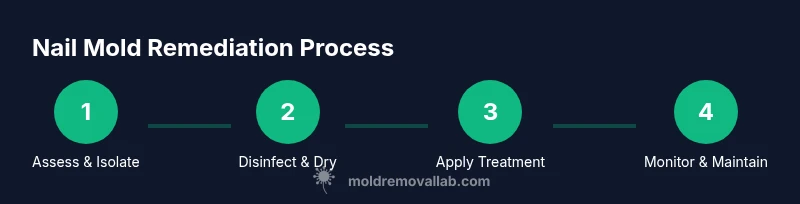
- Inspect and document: Photograph the affected nail and surrounding skin to monitor progress. - Time: 5 minutes.
- Isolate and minimize moisture: Change into dry socks, wear breathable footwear, and dry feet thoroughly after bathing. - Time: ongoing.
- Prepare nails: Trim and file the nail carefully to reduce thickness and remove surface asperities. - Time: 20 minutes.
- Disinfect tools: Clean clippers, files, and brushes with isopropyl alcohol before and after use. - Time: 5 minutes.
- Clean the area: Wash with mild soap, dry completely, and wipe surfaces with antiseptic. - Time: 10 minutes. Tip: Work in small, controlled sessions to avoid spreading spores to other areas of the skin.
Step-by-step remediation plan (Part 2)
- Apply treatment: Use the prescribed or OTC antifungal as directed, applying to the affected nail and surrounding skin where appropriate. - Time: as directed by product or clinician.
- Dry thoroughly: After applying treatment, ensure the area is completely dry before closing your shoes or putting on socks. - Time: 5-10 minutes.
- Maintain daily routine: Shower with soap, dry feet completely, and change socks daily. Use breathable footwear and avoid occlusive materials. - Time: ongoing.
- Monitor progress: Revisit photos weekly, note any changes in color, thickness, or pain, and adjust care if needed. - Time: 4 weeks minimum to notice changes.
- Seek care if needed: If symptoms worsen, if you have diabetes or immune concerns, or if there’s spreading, consult a clinician promptly. - Time: as needed. Estimated total time: Initial care typically spans 1–2 hours, with ongoing daily maintenance over weeks or months until nails fully grow out.
Prevention strategies to avoid recurrence
Prevention hinges on moisture control and good hygiene. Keep feet dry after bathing, use moisture-absorbing powders in shoes, and switch to breathable socks and footwear. Regularly wash towels and washcloths separately, and disinfect bathroom surfaces to minimize mold-friendly environments. If you share a living space, ensure every occupant follows a routine for nail and skin care to prevent cross-contamination. Consider routine nail care as part of home hygiene: trim nails straight, file gently, and avoid picking at infected nails. Finally, monitor for early signs and address them quickly to prevent chronic conditions.
Common myths vs reality about nail mold
Myth: Nail mold is purely cosmetic and doesn’t require treatment. Reality: While some cases are cosmetic, untreated mold can worsen or indicate a deeper infection, especially in at-risk individuals. Myth: Regular nail polish helps protect nails during treatment. Reality: Most polishes trap moisture and can hinder treatment; consider breathable options only if advised by a clinician. Myth: Mold on nails is not contagious. Reality: Spores can spread in damp environments; maintain hygiene and avoid sharing items until resolved. Myth: Home remedies alone are always enough. Reality: Mild cases may respond to at-home care, but persistent or recurrent mold requires medical evaluation.
Tools & Materials
- Nail clippers (sterilized)(Sanitize with isopropyl alcohol before use)
- Nail file(Gentle emery board; remove thickened areas)
- Isopropyl alcohol (70-90%)(For disinfecting surfaces and tools)
- Hydrogen peroxide (3%)(Alternative surface disinfectant or direct nail cleaning)
- Antifungal medication (OTC or prescribed)(Follow directions; consult clinician for prescriptions if needed)
- Soap and water(Mild soap to cleanse nails and hands)
- Breathable socks and moisture management supplies(Optional but helps prevent recurrence)
Steps
Estimated time: Initial care: 1-2 hours; ongoing daily maintenance over weeks-months as nails grow out.
- 1
Assess signs and isolate
Begin by inspecting the affected nails and documenting signs of nail mold. Isolate the affected area by using separate towels and avoiding sharing personal items until treated. Wear gloves to minimize spread.
Tip: Take clear photos for progress tracking. - 2
Limit moisture exposure
Reduce moisture in the affected area by drying feet thoroughly after washing, switching to breathable footwear, and avoiding prolonged exposure to water. This curbs mold growth and supports treatment.
Tip: Use moisture-wicking socks daily. - 3
Prepare nails and tools
Trim nails to a manageable length and file any thickened areas to improve medication penetration. Clean tools with alcohol before continuing.
Tip: Only use sterilized tools to prevent contamination. - 4
Disinfect and clean surfaces
Disinfect work surfaces, countertops, and bathroom areas with mild soap and isopropyl alcohol. Wipe dry to remove residual moisture that could support mold.
Tip: Ventilate the area while disinfecting. - 5
Apply antifungal treatment
Apply the recommended antifungal product exactly as directed, covering the nail and surrounding skin where indicated. Do not skip doses or extend intervals.
Tip: Consistency is key for slow-growing nails. - 6
Daily hygiene and drying
Maintain a strict daily routine: wash, rinse, dry thoroughly, and apply any prescribed product. Avoid tight, occlusive footwear that traps moisture.
Tip: Change socks mid-day if you sweat a lot. - 7
Monitor progress and adjust
Watch for changes in color, thickness, or pain. If there’s no improvement after several weeks or if symptoms worsen, seek medical advice for possible prescription treatments or further testing.
Tip: Keep a symptom log and share with your clinician.
FAQ
What is nail mold and how dangerous is it?
Nail mold refers to mold growth on nails due to moisture. While many cases are not immediately dangerous, they can indicate moisture problems and potential infection if untreated.
Nail mold is mold on nails caused by moisture. It’s usually not an emergency, but treating it promptly helps prevent complications.
Can I treat nail mold at home?
Mild cases may respond to strict hygiene, drying, and OTC antifungals with adherence over several weeks. Persistent or painful cases require clinician guidance.
Home care can work for mild cases, but see a clinician if it doesn’t improve.
When should I see a doctor?
If mold returns after cleaning, if there is pain, swelling, spreading patches, or you have diabetes or immune compromise, seek medical care.
See a doctor if symptoms worsen or don’t improve with basic care.
Does nail polish interfere with treatment?
Regular nail polish can trap moisture and hinder treatment. Discuss breathable options with your clinician and follow their guidance about when to resume polish.
Polish can get in the way of treatment—follow your clinician’s advice.
Are home molds on nails contagious?
Spores can spread in damp environments. Minimize sharing towels and footwear, and address moisture sources promptly.
Spores can spread; keep things clean and dry to reduce risk.
How long does it take to see results?
Nail mold treatment often takes weeks to months because nails grow slowly. Consistency is essential for progress.
Results take time; stay with the plan and monitor changes over weeks.
Watch Video
The Essentials
- Identify nail mold early and act quickly
- Prioritize moisture control and hygiene
- Follow a clear, consistent treatment plan
- Seek medical care for persistent or spreading signs