Mold Under Press-On Nails: Safe Removal and Prevention
Learn practical steps to spot, remove, and prevent mold under press-on nails. This guide covers safe removal, thorough drying, disinfection, and long-term prevention with expert guidance from Mold Removal Lab.


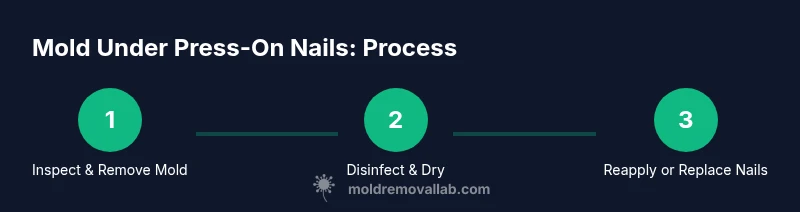
To address mold under press-on nails, you’ll inspect moisture sources, remove affected nails if there’s visible mold, clean the nail bed with a mild soapy solution, disinfect with 70% isopropyl alcohol, and ensure thorough drying before applying fresh nails. Always wear gloves and work in a well-ventilated area, and seek medical advice if you notice skin irritation.
What mold under press-on nails is and why it happens
Mold under press-on nails occurs when moisture is trapped between the nail bed and the false nail, creating a microenvironment where mold spores can grow. Nails and the surrounding skin are warm, dark, and often damp after swimming, sweating, or improper drying, which accelerates mold expansion. This is more likely when wearers use humid environments, skip drying time after cleansing, or reuse nails without proper cleaning. The Mold Removal Lab Team emphasizes that preventing moisture buildup is the single most effective strategy. Regular inspection, good hand hygiene, and giving your nails time to dry completely between applications are essential steps in keeping nail spaces mold-free.
Understanding the biology of mold helps homeowners and renters make safer decisions. Mold spores are ubiquitous; they’re present in the air and on surfaces. When moisture and nutrients are present, spores can multiply rapidly. For nail fans, the nail bed and cuticles provide a warm, protected niche that can support mold if moisture isn’t managed properly. Eliminating moisture, cleaning surfaces, and drying thoroughly are your first lines of defense.
Signs of mold under press-on nails and safe inspection techniques
Visible signs of mold under press-on nails include dark, fuzzy, or powdery growth at the nail seam, distinct musty odors, and itching or irritation around the nail area. If you notice any of these indicators, stop wearing the nails immediately and begin a cautious inspection. Use a clean, bright light and a magnifier if available to inspect the edge where the press-on nail meets the natural nail. Do not scrape aggressively; mold can be embedded in the nail bed tissue. Wash hands with soap and water before and after inspecting, and wear disposable gloves to minimize skin contact. If you have a history of skin sensitivity or allergies, consider using a barrier cream after inspection to protect the skin while you address the issue. Mold under nails can be a sign of underlying moisture problems in your home, so address humidity sources in your environment as well.
Key indicators to watch for include: persistent dampness after drying, repeated episodes of discoloration under nails, and skin irritation that doesn’t improve with basic cleansing. If you’re unsure whether what you see is mold, you can collect a sample with a swab and consult a healthcare professional or a local extension service for guidance. In all cases, prioritize safety and hygiene to prevent further spread or infection.
Immediate actions if you suspect mold under nails
If you suspect mold under press-on nails, act promptly to reduce exposure and prevent spreading spores. First, remove the press-on nails carefully to minimize disturbing any mold growth. Clean the nail bed with a mild soap solution and rinse thoroughly. After cleansing, disinfect the area using 70% isopropyl alcohol or an appropriate antiseptic, and allow the area to air-dry completely. Do not apply new nails until you’re confident the nail bed is dry and free from visible growth. If irritation or redness develops, seek medical advice promptly. Throughout this process, avoid picking at the skin, which can introduce infection. Keep the workspace clean, disinfect tools used on nails, and wash hands frequently to reduce cross-contamination. \n If mold growth is extensive or skin shows signs of infection, contact a healthcare professional and consider temporary alternatives to nail aesthetics until the issue is resolved. The goal is to restore a dry, clean nail bed and minimize moisture, which is the most reliable defense against mold recurrence.
Step-by-step remediation plan for contaminated nails
This section provides a practical framework for remediation, focusing on safety and moisture control. Begin by removing any press-on nails that show signs of mold. Gently cleanse the natural nail and surrounding skin with mild soap and warm water. Dry thoroughly with a clean towel, then apply an antiseptic to the exposed nail bed and allow it to dry completely. If you choose to reapply nails, ensure the nail surface is clean and completely dry; avoid re-using contaminated materials. Maintain a dry environment by avoiding prolonged moisture exposure, such as swimming or heavy sweating, for at least 24–48 hours after remediation. For ongoing prevention, consider ventilation improvements in humid areas, like bathrooms, and use moisture absorbers if needed. If you plan a reapplication, select nails that fit well, avoid tight spaces that trap moisture, and apply a thin, uniform layer of nail adhesive to facilitate airflow beneath the nail. Safety is essential: always wear gloves, work in a well-ventilated area, and stop remediation if you experience persistent skin irritation.
Prevention strategies to keep nails mold-free
Preventing mold under press-on nails starts with moisture management and hygiene. After any activity that exposes nails to water, dry thoroughly before applying or reapplying nails. Use a clean towel and air-dry whenever possible instead of waiting for nails to dry naturally in a humid room. Maintain clean nail tools and surfaces, and do not reuse disposable items unless they are sterilized. Consider applying a breathable base coat designed for nail health to prevent moisture from seeping under the nail. If you notice recurring dampness or mold growth, reassess indoor humidity levels and improve ventilation, especially in bathrooms and laundry areas. Integrating a dehumidifier or silica gel packs can reduce ambient moisture and inhibit mold growth elsewhere in your living space. Remember, proactive steps to control moisture will dramatically reduce mold risk in nail spaces and support skin health.
When to seek professional remediation for nails and skin health
If mold under nails becomes a recurring issue, or if skin irritation escalates to redness, swelling, or pus, seek professional remediation and medical advice promptly. Chronic exposure to mold can exacerbate respiratory issues or trigger dermatitis in sensitive individuals. A healthcare professional can assess whether an infection or allergy is present and may prescribe topical or oral treatments in more severe cases. For home remediation, a professional mold remediation specialist can assess humidity levels, identify hidden moisture sources, and determine appropriate cleanup methods. If you’re pregnant, immunocompromised, or have a history of skin conditions, err on the side of caution and consult a specialist early in the process. Mold under nails is a sign of moisture problems that require both personal and environmental attention to prevent future occurrences.
Authority sources and how to use guidance from experts
Practical remediation for mold under nails relies on trusted guidance from public health and environmental agencies. Always cross-check with official sources when dealing with mold, especially in confined spaces like nail beds. The CDC and EPA provide general guidance on mold cleanup, moisture control, and safe cleaning practices for households. NIOSH and NIEHS offer health-focused perspectives on mold exposure, particularly for people with allergies or asthma. When applying the guidance to nails, ensure any disinfectants are skin-safe and compatible with the materials involved. The Mold Removal Lab Team emphasizes following clear steps, avoiding harsh chemicals near skin, and prioritizing dry conditions to prevent mold recurrence. For more context, review authoritative sources cited below and adapt steps to your specific situation.
Tools & Materials
- Latex-free disposable gloves(Protect skin during inspection and cleaning)
- Mild soap and warm water(Initial cleaning before disinfection)
- 70% isopropyl alcohol(Disinfection after cleaning)
- Nail file and buffer(Smooth nail surface after removal)
- Cotton swabs or small brushes(Precise cleaning at nail edges)
- Antiseptic solution (e.g., chlorhexidine)(Optional, for skin-safe antiseptic)
- Disposable towels or wipes(Drying and cleanup)
- Seal-able disposal bag(Containment of used nails and tools)
- Ventilated workspace or fan(Improves air circulation during disinfection)
Steps
Estimated time: 60-90 minutes
- 1
Stop wearing the nails and inspect safely
Carefully remove any visibly moldy press-on nails to prevent spreading spores. Wash hands before and after to minimize contact with mold. Inspect both the natural nail and surrounding skin for signs of irritation or infection.
Tip: Use a clean, disposable nail clipper or tool to detach the press-on nails and avoid re-contamination. - 2
Clean the nail bed with soap and water
Gently cleanse the nail bed and surrounding skin with mild soap and warm water. Rinse thoroughly to remove residue, then pat dry with a clean towel. Avoid aggressive scrubbing which can irritate the skin.
Tip: Dry thoroughly; moisture left behind is a key driver for mold regrowth. - 3
Disinfect the nail area
Wipe the nail bed and edges with 70% isopropyl alcohol or an approved antiseptic. Allow the area to air-dry completely before considering any reapplication of nails.
Tip: Do not mix disinfectants with other cleaners; follow product instructions for contact time. - 4
Reassess and decide on reapplication
If the nail bed is completely dry and free of visible mold, you may consider reapplying press-on nails using clean materials. If mold recurs quickly, stop and consult a professional and reconsider nail options.
Tip: Choose breathable nail options and ensure a proper fit to minimize moisture pockets. - 5
Maintain dryness and monitor
Continue to keep nails dry after any water exposure. Use moisture-absorbing products in humid areas and ensure proper ventilation in bathrooms and laundry rooms to prevent future growth.
Tip: Set reminders to check nails after activities that involve water or humidity. - 6
Document and seek professional help if needed
Take photos of any recurring mold signs and symptoms. If mold returns or skin irritation persists, contact a healthcare professional and a mold remediation expert.
Tip: Documenting progress helps professionals tailor remediation plans.
FAQ
Can mold under press-on nails cause skin infections?
Yes. Mold exposure can irritate skin and, in some cases, lead to dermatitis or infection if the skin barrier is compromised. Stop wearing the nails and seek medical advice if redness, swelling, or pus develops.
Yes. Mold under nails can irritate skin and potentially cause dermatitis if left untreated. Stop wearing the nails and contact a clinician if symptoms worsen.
How does mold get under press-on nails?
Mold grows where moisture gets trapped between the nail bed and the press-on nail. Sweat, humidity, or water exposure without proper drying creates a favorable environment for spores to proliferate.
Mold forms where moisture is trapped under the nail, often after water exposure or sweating without adequate drying.
Is it safe to continue wearing press-on nails after mold has been spotted?
No. If mold is detected, remove the nails and address moisture and cleaning before reapplication. Continuing to wear contaminated nails risks skin irritation and infection.
It's not safe to keep wearing them. Remove and address moisture and cleaning first.
What disinfectants are safe for skin around the nail bed?
Use skin-safe options such as 70% isopropyl alcohol or approved antiseptics. Avoid harsh cleaners that can irritate or damage skin.
Stick to skin-safe disinfectants like 70% isopropyl alcohol and avoid harsh cleaners on skin.
When should I seek professional help for nail mold?
If mold recurs after remediation, if you have persistent skin symptoms, or if you notice structural moisture problems at home, contact a mold remediation professional and a healthcare provider.
If mold keeps coming back or if your skin stays irritated, get professional help and check your home for moisture sources.
Watch Video
The Essentials
- Identify moisture sources and dry thoroughly
- Remove moldy nails safely and disinfect the area
- Dry nail beds completely before reapplication
- Prioritize ventilation to prevent recurrence
- Consult professionals for persistent mold or skin reactions