NMS Fungal Mold: Practical Home Remediation Guide
A practical, step-by-step guide from Mold Removal Lab to identify, clean, and safely remediate NMS fungal mold in homes. Learn PPE, moisture control, drying, and when to call professionals.


This guide helps homeowners and renters identify and safely remediate NMS fungal mold. You'll learn how to assess moisture, select PPE, perform containment, clean surfaces, dry the area, and decide when to call a pro. Following these steps reduces health risks and prevents regrowth. This practical approach aligns with best practices for moisture control, proper ventilation, and safe cleanup.
What is NMS fungal mold and why it matters
NMS fungal mold is a term homeowners encounter when moisture problems trigger mold growth in living spaces. From a practical standpoint, the key idea is simple: any visible mold paired with its moisture source needs remediation for health and property protection. The Mold Removal Lab team emphasizes that acting early reduces health risks and minimizes damage to drywall, wood, and insulation. In homes, common hotspots include basements, bathrooms, kitchens, and laundry rooms where humidity rises and airflow is limited. Understanding how mold grows helps you detect problems early: it needs moisture, a food source (like cellulose), and a suitable temperature. If you see fuzzy growth, musty odors, or staining after a leak, treat it as a remediation task, not a routine cleaning job. This section equips you with a safe, effective framework that prioritizes moisture control, containment, and thorough drying to prevent regrowth.
Assessing moisture and identifying problem areas
Before any cleanup, you must locate and fix the moisture source. Start with a room-by-room survey: look for leaks, condensation, roof or plumbing intrusion, and areas with thin walls or poor ventilation. Use a moisture meter to gauge humidity inside walls, under sinks, and in closets; consistently high readings indicate ongoing risk. Based on Mold Removal Lab analysis, moisture control is a cornerstone of preventing future growth. Document the mold visually with photos, noting dates of water events and any changes in humidity or temperature. Hidden sources—such as leaks behind cabinets or under flooring—are common culprits. By identifying and correcting moisture, you create a solid foundation for safe cleaning and effective drying, rather than merely removing surface spores.
PPE, safety practices, and indoor-air hygiene
Before touching contaminated materials, set up a safety zone and wear appropriate PPE. Use an NIOSH-approved respirator (N95 or ideally P100 for dusty conditions), disposable gloves, safety goggles, and a washable gown or coveralls. Keep the area well-ventilated, but avoid blowing dust into other rooms. Use a HEPA-equipped vacuum for cleanup and a damp wipe approach rather than dry sweeping to minimize airborne spores. The Mold Removal Lab Team emphasizes that proper PPE protects you and your household, especially children and the elderly, from inhaling spores or exposing skin to irritants. After cleanup, remove PPE carefully to avoid cross-contamination and wash hands thoroughly.
Containment, cleaning, and drying strategies
Containment first: seal doors and HVAC vents with plastic sheeting, create a negative-pressure zone if possible, and prevent mold spores from leaving the work area. For cleanup, start with non-porous surfaces using a detergent solution, scrubbing, and rinsing. Porous materials with mold that has penetrated deeply (like drywall or insulation) may need removal and disposal; do not attempt to salvage damaged porous materials if contamination is extensive. After cleaning, dry the area promptly using dehumidifiers and high airflow; set up multiple fans if needed and direct them toward dry, clean air. Re-test surfaces for dampness after drying; moisture lingering by days can lead to regrowth. This sequence reduces the chance of recontamination and creates a stable environment for reassembling or replacing materials.
When to call professionals and how to document remediation
Large-scale growth, mold that has penetrated studs, or contamination of HVAC systems generally requires professional remediation. If you suspect structural damage or growth beyond the room's surface, contact a licensed mold remediation service. Start a remediation diary: take photos before, during, and after work; note moisture levels; keep receipts for materials and equipment; and document final moisture readings. Consider post-remediation testing by an accredited lab to verify that mold levels have returned to normal and indoor air quality has improved.
Preventing future growth: long-term prevention and maintenance
To prevent recurrence, address moisture sources and improve ventilation. Repair leaks promptly, insulate cold surfaces, run kitchen and bathroom exhaust fans, and keep indoor humidity between 30-50% with dehumidification in damp spaces. Regular inspections of basements and attics help catch issues early. Consider preventive cleaning strategies and routine air quality checks; use mold-killing cleaners sparingly and avoid mixing bleach with ammonia, which can create harmful gases. By maintaining a dry, well-ventilated environment, you lower the risk of NMS fungal mold returning.
Tools & Materials
- PPE kit (N95/P100 respirator, disposable gloves, safety goggles, coveralls)(Fit-tested if possible)
- Plastic sheeting (6 mil) and painter's tape(Use to seal doors and HVAC vents)
- Moisture meter or hygrometer(Check multiple spots: walls, under sinks, and near leaks)
- HEPA vacuum cleaner(With sealed bag and HEPA filter)
- Detergent solution or EPA-registered mold cleaner(Follow label directions for contact time and use)
- Disinfectant approved for mold remediation (EPA-registered)(Apply after cleaning to reduce microbial load)
- Dehumidifier with drainage(Reduce humidity; drain excess water or use continuous drain)
- Air movers / fans(Promote airflow away from contaminated zones)
- Heavy-duty trash bags and disposal containers(Seal and dispose of contaminated materials)
Steps
Estimated time: 6-12 hours
- 1
Prepare the area
Clear the space, move or cover belongings, and turn off HVAC to minimize spread. Establish a containment perimeter and communication plan with household members. Ensure all tools and PPE are ready before work begins.
Tip: Label the containment zones and establish clear entry/exit routes to avoid cross-contamination. - 2
Identify moisture sources
Inspect for leaks, condensation, or water intrusion from roofs, plumbing, or drainage. Repair or mitigate the moisture source as your first preventive step before cleaning surfaces. Document findings with photos for reference during repairs.
Tip: Fix moisture before cleaning to prevent regrowth and wasted effort. - 3
Contain the work area
Seal doors and vents with plastic sheeting; keep the contained space isolated from the rest of the home. If possible, create a negative-pressure zone to prevent spores from spreading. Avoid opening areas outside the containment during remediation.
Tip: Keep containment doors closed and only open when moving material in/out. - 4
Clean non-porous surfaces
Wipe and scrub hard surfaces with detergent solution, then rinse. Use a damp cloth rather than dry sweeping to prevent dispersing spores. Vacuum with a HEPA-equipped vacuum after cleaning to capture residual particles.
Tip: Work from clean to dirty areas to avoid cross-contamination. - 5
Decide on porous materials
Porous materials with deep mold penetration, such as drywall or insulation, are often non-salvageable and should be removed and disposed of safely inside the containment. Bag materials securely to prevent leaks.
Tip: Double-bag contaminated waste and seal before disposal. - 6
Dry thoroughly
Run dehumidifiers and high-airflow devices to reach low humidity levels. Monitor with a moisture meter across multiple spots to confirm drying progress. Continue until readings remain stable for 24–48 hours.
Tip: Aim for consistent low humidity to prevent regrowth. - 7
Re-inspect and repair
Re-check moisture levels after drying and address any ongoing leaks or damp spots. Replace removed materials with new, mold-resistant options. Update photos and records of repairs.
Tip: Keep a repair log and maintain documentation for future reference. - 8
Closeout and documentation
Remove containment, thoroughly clean tools, and conduct any required post-remediation testing if needed. Store notes, photos, and receipts in a dedicated file for future reference and warranty needs.
Tip: Retain post-remediation reports to verify success.
FAQ
What is NMS fungal mold and why is it a concern?
NMS fungal mold describes mold growth tied to moisture issues in indoor spaces. It signals ongoing moisture problems and can affect indoor air quality. Addressing moisture and performing controlled remediation reduces health risks.
NMS mold grows where moisture is a problem. Fix the moisture and remediate safely.
Is it dangerous for my family?
Any mold can cause allergies or irritation, especially for sensitive people. Proper containment, PPE, and moisture reduction minimize health risks during remediation.
Mold can affect health, so take proper precautions and contain the area.
Can I remove mold myself?
Small, clearly isolated growth may be manageable with PPE and proper cleaners. Large areas, hidden growth, or growth behind walls should be handled by a licensed professional.
If it’s a small area, DIY is possible with caution; otherwise call a pro.
How long does remediation take?
Time varies with extent and moisture control, but expect a full remediation to span a day or more, including drying and inspection steps.
Remediation duration depends on size and moisture; plan for several hours to days.
What PPE is required?
Wear a properly fitted respirator (N95 or better), eye protection, gloves, and disposable coveralls. Use a HEPA-equipped vacuum and avoid disturbing mold until containment is set.
Put on a respirator, gloves, goggles, and coveralls before starting.
Should I test for mold after remediation?
Post-remediation testing by an accredited lab can confirm clearance and improved indoor air quality. Use results to decide if further action is needed.
Testing afterward can confirm whether mold levels are back to normal.
Watch Video
The Essentials
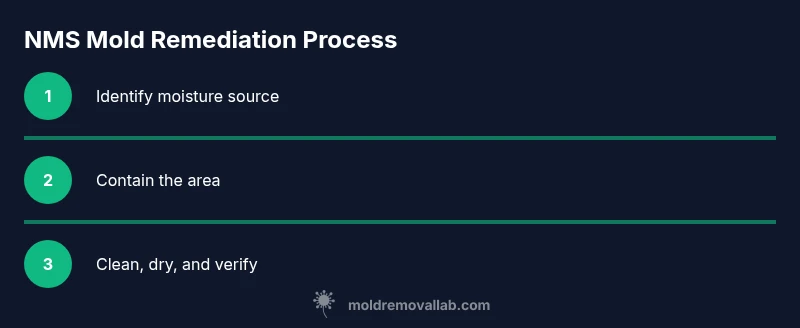
- Identify and fix moisture sources before cleanup
- Contain the work area to prevent cross-contamination
- Dry thoroughly and verify dryness with moisture readings
- The Mold Removal Lab team recommends moisture-first remediation and professional input for extensive contamination