Mould treatment for walls: A practical homeowner guide
A practical, safety-first guide to mould treatment for walls, addressing moisture sources, cleaning methods, and long-term prevention for homeowners and renters. Designed for quick action and lasting results.


Goal: To safely stop mould growth on interior walls by a guided, step-by-step process. You will assess moisture sources, contain the area, clean and treat the affected surfaces, and implement a moisture-control plan to prevent recurrence. This overview uses practical, home-safe methods aligned with Mold Removal Lab guidance. We’ll cover safety gear, when to call a pro, and how to monitor humidity after cleaning.
What mould on walls looks like and when to act
Mould on interior walls is more common than many homeowners realize. You'll notice dark or greenish patches, fuzzy or powdery textures, and often a persistent musty odor. In many homes, mould grows where humidity is high, such as bathrooms, basements, kitchens, or rooms with poor ventilation. The first signs can be subtle: damp patches after rain, condensation on cold walls, or paint that peel and blister. The key to effective mould treatment for walls is early detection and a calm, methodical response. According to Mold Removal Lab, mould on walls is typically a symptom of ongoing moisture intrusion rather than a one-time spill. Address the underlying moisture, and you reduce the chance of regrowth dramatically. In this article, we walk through practical steps homeowners can take—safely and with minimal disruption—to restore dry, healthy walls and protect the rest of the home.
Safety first: gear, ventilation, and hazards
Working with mould requires a cautious approach to protect your health and limit indoor spread. Wear nitrile gloves, goggles, and a respirator rated for particulates; use long sleeves and pants; ensure children and pets are out of the area. Ventilate by opening windows and using fans to blow air outward, not back into living spaces. Turn off HVAC to prevent cross-contamination. Do not use mixing cleaners in unventilated spaces; never mix bleach with ammonia or other cleaners; avoid dry sweeping as it stirs spores. If walls are crumbling or mould covers large areas or if you have asthma or a compromised immune system, consult a professional. The aim is to keep exposure low during assessment and cleaning, and to reduce airborne mould spores to protect occupants. By following these safety steps, you create a solid foundation for effective mould treatment for walls.
Identifying moisture sources and preventing recurrence
Moisture is the primary driver of mould growth on walls. Leaky roofs, burst pipes, cracked plumbing, and even hidden condensation can create a damp environment behind finishes. Condensation occurs when warm indoor air meets cold wall surfaces, especially in poorly insulated rooms or those with high humidity tasks (showering, boiling). To stop regrowth, you must locate and fix the source. Start by inspecting ceilings, walls, and behind cabinets for leaks; check attic and crawl spaces; verify that exterior cladding has intact seals. After identifying the source, document repairs and monitor humidity levels. Mold Removal Lab analysis shows that even small, persistent moisture problems can support mould growth over weeks, so timely fixes matter. Once the root cause is addressed, you can focus on safe cleaning and surface treatment, knowing you have reduced the chance of future outbreaks.
Cleaning options: when to use cleaners vs professionals
Cleaning mould on walls depends on wall material and the extent of contamination. Non-porous surfaces like painted drywall, glass, or tile respond to household cleaners, detergent scrubs, and disinfection with safer products. For porous materials (unpainted wood, drywall, plaster), surface cleaning may remove surface growth but spores can persist inside the material, and replacement is often necessary. In small, contained areas (less than 10 square feet), you may achieve good results with appropriate cleaners, a stiff brush, and thorough drying. Use a cleaning solution of detergent and water or a dedicated mould cleaner following label directions; never rely on bleach alone for porous surfaces. If mould covers large areas, the infestation is severe or the area has structural damage, or if occupants have health issues, hire a licensed pro. The Mold Removal Lab team emphasizes safety and measurement of humidity before and after cleaning to confirm that the environment has improved.
Step-by-step remediation workflow
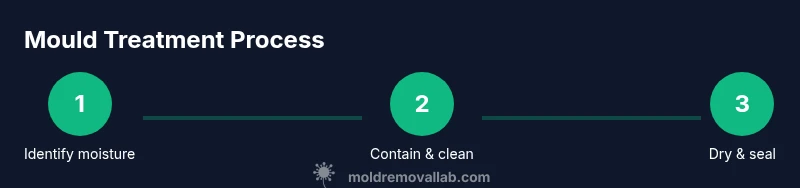
A high-level remediation workflow helps keep the process organized and safe. Start with safety gear and containment, then move through moisture control, cleaning, drying, and final checks. This sequence minimizes cross-contamination and improves long-term outcomes. Always tailor the workflow to your wall material and the extent of contamination. If you encounter structural damage or suspect toxic mould, pause and contact a licensed professional. The goal is to restore a dry, healthy wall system while preventing a recurrence. A consistent approach, aligned with Mold Removal Lab guidelines, yields durable results.
Drying and moisture control after treatment
After cleaning, the biggest risk is residual moisture that feeds regrowth. Use dehumidifiers, fans, and good ventilation to drive humidity down to an acceptable level, ideally below 50-60% relative humidity in the affected area. Monitor progress with a moisture meter and re-check walls for hidden damp spots behind baseboards or drywall seams. Keep surfaces dry for at least 24-72 hours, then re-evaluate for signs of new mould. Repair any leaks promptly and consider improving insulation and ventilation to prevent condensation. The combination of thorough drying and ongoing moisture control is essential for a lasting mould-free environment on walls.
Common myths about mould treatment for walls
Myth: mould can be killed with a single spray and forgotten. Reality: mould spores can linger in porous substrates; you may remove visible growth but must address moisture to prevent reappearance. Myth: bleach cleans mould on porous surfaces. Reality: bleach can help on non-porous surfaces but is less effective on wood, drywall, or plaster and can create harmful fumes if misused. Myth: mould problems always require expensive remediation. Reality: many wall mould issues are manageable with proper safety, drying, and moisture control, though extensive or dangerous cases may require professionals.
Maintenance plan to prevent regrowth
Prevention is easier than remediation. Establish a moisture-control plan that includes regular humidity checks, improved ventilation in high-humidity rooms, prompt repairs for leaks, and routine inspections of walls, ceilings, and crawl spaces. Use exhaust fans during showers, ventilate kitchens, and keep indoor humidity under 60% where possible. Consider a seasonal check for attic and roof integrity and install a soil or humidity monitor in damp basements. Maintaining a proactive stance with Mold Removal Lab guidance helps keep mould at bay and protects your home long-term.
Documentation and follow-up testing
Record the date of remediation, the moisture source you fixed, and the cleaning methods used. Take photographs of the affected areas before and after treatment, noting wall materials and any replacements. Reassess humidity weekly for the first month and after heavy rain or seasonal changes. If new patches appear, repeat the moisture-control steps and consider a professional assessment. Keeping detailed notes supports future maintenance and potential insurance claims.
Tools & Materials
- Nitrile gloves(Disposable, chemical resistant)
- Safety goggles(Eye protection rated for splash resistance)
- Respirator (N95 with P100 filter or better)(Use a well-fitted respirator for particulates and spores)
- Long-sleeved clothing(Protect skin from contact with mould)
- Plastic sheeting for containment(Create a containment zone to prevent spread)
- Stiff-bristled brush(For scrubbing mould off hard surfaces)
- Detergent or mould cleaner(Follow label directions; avoid ammonia or ammonia-containing cleaners with other chemicals)
- Mild household detergent(For initial cleaning on non-porous surfaces)
- Disinfectant (non-bleach, EPA-registered)(Optional for non-porous surfaces; choose products safe for walls)
- Rags or disposable towels(For wiping and drying surfaces)
- Spray bottles (label-approved cleaners)(For applying cleaners and disinfectants)
- Moisture meter or hygrometer(Monitor humidity and drying progress)
- Dehumidifier or high-capacity fan(Facilitate drying and air circulation)
- Trash bags (heavy-duty)(Disposal of contaminated materials)
Steps
Estimated time: 2-3 hours
- 1
Prepare safety gear and containment
Put on PPE (gloves, goggles, respirator) and clothing. Erect plastic containment to prevent spores from spreading to other areas of the home. This step minimizes exposure during cleanup and is essential for safe mould treatment for walls.
Tip: Do a quick area walkthrough to identify any additional contaminated items that may need bagging at the start. - 2
Shut off and isolate the area
If possible, close off doors and seal vents to create a contained workspace. Turn off HVAC to avoid circulating spores. Adequate containment protects you and others while you work.
Tip: Place warning signs to keep kids and pets away during remediation. - 3
Identify moisture source
Inspect for leaks, condensation, or humid areas behind walls. Document the source and plan repairs before intensive cleaning to prevent recontamination.
Tip: Fixing the source is as important as removing mould growth. - 4
Clean surface mould on non-porous surfaces
Use detergent and water or a dedicated mould cleaner on painted walls, tiles, and glass. Rinse with clean water and dry completely. Porous materials may require replacement.
Tip: Avoid mixing cleaners and never use bleach on porous materials. - 5
Address porous materials
If mould has penetrated drywall, plaster, or wood, cleaning may remove surface growth but spores can persist inside. Consider removing and replacing affected sections.
Tip: Do not reuse damaged panels; dispose of them safely. - 6
Dry thoroughly and monitor
Run a dehumidifier or high-velocity fan to drive moisture down. Use a moisture meter to verify low humidity and ensure walls are completely dry before finishing.
Tip: Prolonged wetness is a leading cause of regrowth. - 7
Seal and restore surfaces
Seal or prime porous surfaces after drying to reduce future moisture absorption; repair leaks and improve insulation if needed.
Tip: Proper sealing reduces future mould growth potential. - 8
Verify remediation and plan follow-up
Revisit the area after 24–72 hours of dry weather to ensure no new growth appears and humidity remains under control. Schedule periodic checks.
Tip: Document results to guide future maintenance.
FAQ
Is bleach effective for mould on walls?
Bleach can kill surface mould on non-porous surfaces but is less effective on porous materials like drywall or wood. It can also create fumes and damage finishes if misused. Prefer detergent or EPA-registered mould cleaners for porous surfaces and reserve bleach for non-porous areas as needed.
Bleach works on hard, non-porous surfaces, but for walls that are porous, other cleaners work better and safer.
Can mould return after cleaning?
Yes. If the underlying moisture problem isn’t fixed and surfaces aren’t dried thoroughly, mould can reappear even after cleaning. Implement a moisture-control plan and monitor humidity to minimize recurrence.
If you don’t fix moisture and dry well, mould can come back.
When should I hire a professional?
Call a professional if mould covers a large area, involves porous structural materials, or if occupants have allergies or respiratory issues. A licensed remediator can safely remove growth and address structural moisture problems.
If it’s widespread or you’re unsure, hire a professional to handle it safely.
Are all wall materials equally susceptible?
No. Porous materials (drywall, plaster, wood) absorb moisture and are harder to clean thoroughly; painted non-porous surfaces are easier to treat. In many cases, damaged porous materials must be replaced.
Porous walls are more at risk and harder to clean fully.
What humidity level helps prevent mould growth?
Maintaining indoor humidity under 60% helps reduce mould growth risk, especially in bathrooms and basements. Use dehumidifiers and ventilation to manage moisture.
Try to keep humidity below 60% whenever possible.
Do I need to remove drywall to fix mould on walls?
If mould has penetrated drywall or insulation, removal and replacement may be necessary to fully eliminate contamination. Cleaning alone often isn’t enough for porous, deeply affected materials.
Sometimes damaged drywall must come out to stop mould from coming back.
Watch Video
The Essentials
- Identify moisture sources before cleaning
- Wear proper PPE and ventilate adequately
- Dry thoroughly to prevent regrowth
- Address damaged materials, don’t just clean
- Maintain ongoing moisture control to protect walls