Treat Mold on Walls: Home Remediation Guide
A practical, science-backed guide to treat mold on walls safely, fix moisture sources, and prevent recurrence with step-by-step remediation, PPE tips, and long-term prevention.


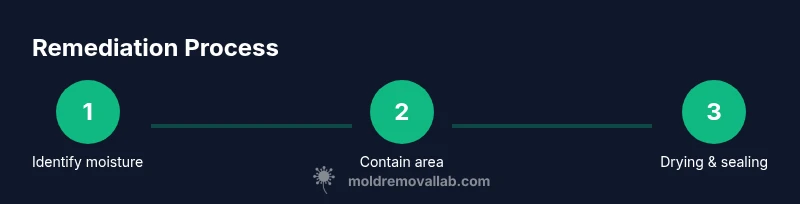
To treat mold on walls, first identify and fix the moisture source, then isolate the area. Remove severely infested porous material if safe. Clean affected surfaces with detergent and a non-ammonia cleaner, scrub mold growth, and dry completely. Apply a mold-killing solution or fungicidal paint, and finish with a proper primer and paint. Always wear PPE and ensure good ventilation.
Understanding Mold on Walls: Causes and Risks
Mold on walls is typically a sign of hidden moisture behind the surface. Humidity, leaks, condensation, and limited ventilation create an environment where mold spores can settle on drywall, plaster, or painted surfaces. According to Mold Removal Lab, moisture control is the cornerstone of mold prevention and remediation. The Mold Removal Lab team found that addressing the moisture source first dramatically reduces recurrence, often more than scrubbing alone. Visible growth is just the tip of the iceberg; microscopic mold can linger behind wallpaper or within wall cavities, silently affecting indoor air quality. Early detection saves time, materials, and health risks. This guide provides practical steps to treat mold on walls safely, with emphasis on safety and long-term prevention.
Moisture Sources Inside Homes and How They Create Mold Habits
Many homes harbor moisture in bathrooms, basements, kitchens, and laundry areas due to leaks, humidity spikes, or poor air circulation. Small leaks or persistent condensation can build up behind walls, creating ideal conditions for mold to establish colonies. The Mold Removal Lab Analysis, 2026, emphasizes that moisture management is central to remediation success, and that controlling humidity and promptly repairing leaks dramatically lowers the chance of re-growth. Look for telltale signs: musty odors, discolored patches, peeling paint, or wallpaper looseness. Increases in relative humidity during wet seasons often correlate with mold visibility later on. By understanding moisture patterns in your home, you can target the likely problem areas and prioritize repairs that yield the most benefit.
Materials and Surface Types Affected
Different wall materials respond differently to moisture and cleaning treatments. Painted drywall and plaster walls may show mold on surface paint or within the drywall core when moisture has penetrated deeply. Wallpaper can trap mold behind its adhesive layer, making spot-cleaning ineffective. Concrete or cement-based backing behind tiles behaves more like masonry and may tolerate stronger cleaners but still needs drying and sealing. For each surface, select appropriate cleaning methods and test a small, inconspicuous area first. When in doubt, follow manufacturer guidance for paints and sealants labeled as mold-resistant. This understanding helps you tailor remediation to your specific wall type and avoid unnecessary material removal.
Safety Precautions and PPE
Mold remediation can release spores into the air; safety matters. Always wear a disposable or reusable respirator rated for mold, eye protection, gloves, and long sleeves. Ensure good ventilation by opening windows and running fans away from other living areas. Isolate the work zone with plastic sheeting to prevent cross-contamination to clean areas. If anyone in the home has allergies, asthma, or a compromised immune system, consider delaying work or hiring professionals. Remember to decontaminate tools and dispose of heavily contaminated materials properly. These precautions reduce exposure risk and keep everyone safer during remediation.
Cleaning and Treatments: Options that Work
For surface cleaning, start with a mild detergent solution and scrub thoroughly. If mold persists, options like hydrogen peroxide or dedicated mold cleaners can be effective on non-porous surfaces. Avoid mixing cleaners and never apply bleach to porous materials, as this can trap moisture and damage surfaces. After cleaning, allow surfaces to dry completely before applying any sealant. Mold-resistant primers and paints can help reduce future growth, but they are not a substitute for fixing the moisture problem. Always test products in a small area first and follow label directions. This section highlights practical, homeowner-friendly approaches while acknowledging that stubborn growth may require professional-grade products or professional assessment.
Drying, Sealing, and Repainting for Long-Term Control
Drying is the critical step that follows cleaning. Use fans and dehumidifiers to bring the area to a dry, stable state. Once dry, apply a mold-resistant primer to seal the material, then repaint with a finish designed to resist moisture and mildew. If mold has penetrated porous materials beyond cleaning capacity, consider removing and replacing affected drywall or plaster to prevent regrowth. Ongoing maintenance—keeping humidity levels in check, repairing leaks promptly, and inspecting walls after heavy rains—helps sustain long-term control and reduce reoccurrence.
Prevention: Ongoing Maintenance to Stop Recurrence
Prevention is more effective than repeated remediation. Maintain consistent indoor humidity, fix any leaks promptly, and ensure adequate ventilation in moisture-prone rooms. Use exhaust fans in bathrooms and kitchens during and after use, and consider a whole-home dehumidifier if humidity remains high. Regularly inspect walls for signs of moisture, such as staining or bubbling paint, and address issues quickly. Mold can return when moisture is present, so treat prevention as a continuous process rather than a one-off fix. This approach helps protect indoor air quality and the integrity of your walls over time.
When to Call a Professional and What to Expect
If mold covers a large area, involves porous materials, or if you have health concerns, professional remediation is advisable. A pro can assess moisture sources, safely remove contaminated materials, and ensure thorough drying and containment. Costs vary by region and severity, and may include material replacement, disposal, and follow-up testing. The Mold Removal Lab team recommends initial consultation to determine the scope and whether a DIY approach is feasible for your situation. Remember, professional intervention often prevents further damage and restores indoor air quality more reliably than DIY methods alone.
Authority Sources
- https://www.cdc.gov/mold/default.htm
- https://www.epa.gov/mold/mold-guide
- https://www.osha.gov/mold
Tools & Materials
- Nitrile gloves(Powder-free, chemical-resistant for mold exposure)
- Respirator mask (N95 or better)(Fit-tested if possible; use additional eye protection)
- Safety goggles(Protect eyes from splashes and spores)
- Disposable coveralls or old clothing(Keeps contaminants contained on your body)
- Scrub brushes and sponges(Different stiffness for different surfaces)
- Detergent or mild soap(Non-ammonia cleaner recommended)
- Mold-killing cleaner or hydrogen peroxide(Use non-bleach on porous surfaces; test first)
- Mold-resistant primer and paint(Helps resist future growth after remediation)
- Plastic sheeting and painter’s tape(Create containment to prevent spread)
- Drop cloths(Protects floors and furniture)
- Fans or dehumidifier(Aid drying and reduce humidity)
- Moisture meter (optional)(Helps track drying progress)
- Trash bags heavy-duty(For contaminated materials)
Steps
Estimated time: 3-8 hours
- 1
Identify and stop the moisture source
Locate the moisture source (leak, roof, plumbing, or condensation) and stop it if safe. This prevents new mold growth while you work. After stopping the source, document the area to focus cleanup where activity is highest.
Tip: If you can’t stop the source safely, postpone remediation and consult a pro. - 2
Contain the work area
Seal off the affected area with plastic sheeting and tape to prevent spores from spreading to other rooms. Maintain a controlled environment to protect other living spaces.
Tip: Keep doorways into the area closed; run a dedicated exhaust fan away from the rest of the home. - 3
Put on PPE and ventilate
Wear a respirator, goggles, gloves, and protective clothing. Ventilate the space to reduce inhalation exposure during cleaning.
Tip: Perform this step before touching any moldy material. - 4
Remove severely damaged materials
If drywall or wallpaper is extensively moldy or water-damaged, consider removing and disposing of the affected material using proper waste containment.
Tip: Do not reuse damaged boards; bag and seal contaminated material before disposal. - 5
Clean non-porous surfaces
Scrub non-porous surfaces (e.g., painted walls) with a detergent solution and a stiff brush, removing visible mold growth. Rinse and allow to dry.
Tip: Work from cleaner to dirtier areas to avoid cross-contamination. - 6
Apply a mold-killing treatment
Apply a mold-killing cleaner or hydrogen peroxide on cleaned surfaces, following label directions. Let it sit for the recommended contact time then wipe away residue.
Tip: Never mix cleaners; follow safety guidance on the product label. - 7
Dry thoroughly and seal
Use fans and a dehumidifier to dry the area completely. Once dry, apply a mold-resistant primer and paint to seal surfaces.
Tip: Ensure long-term dryness before finishing with paint. - 8
Inspect and monitor
After remediation, inspect the area for new signs of moisture or mold. Check walls after rain and seasonal changes and address issues promptly.
Tip: Keep a moisture log for early detection.
FAQ
What health risks does wall mold pose?
Wall mold can affect air quality and trigger allergies or asthma symptoms in susceptible people. Prolonged exposure may worsen respiratory conditions. Health risks vary with mold type and extent of growth.
Wall mold can trigger allergies or asthma in some people, especially with prolonged exposure. It’s best to address growth promptly to protect indoor air quality.
When should I call a professional to treat mold on walls?
Call a professional if the mold cover area is large, involves porous materials, or if you or household members have health concerns. A pro can perform a safe containment, removal, and drying plan.
If mold covers a large area or involvement of walls behind fixtures is suspected, consult a professional for a thorough remediation.
Is it safe to clean small mold patches myself?
For small, non-porous patches, DIY cleaning with detergent and a mold cleaner can be effective. If growth returns quickly or you’re unsure of the surface, seek professional help.
Small patches can often be cleaned safely, but if you’re unsure about the surface or growth keeps returning, a pro should assess the area.
Can I repaint over mold after cleaning?
Cleaning and drying must come first. If the surface is dry and mold-free, applying a mold-resistant primer and paint can help, but underlying moisture issues must be resolved.
You can repaint after cleaning and drying, but only if the area is truly dry and the moisture problem is fixed.
How long does remediation take?
Remediation time depends on area size, materials, and moisture issues. A small, contained area may take hours; larger problems can take days, especially if materials must be removed.
Remediation duration varies; small jobs can be finished in hours, larger ones may take days, especially if removal and drying are involved.
The Essentials
- Identify and fix the moisture source first
- Contain the area to prevent spread
- Dry thoroughly before finishing with paint
- Use mold-resistant products to reduce recurrence
- Call a professional for large or complex mold problems