Mold Treatment: A Practical Home Remediation Guide
A definitive, evidence-based guide to mold treatment for homeowners and renters. Learn practical steps, safety routines, toolkits, and prevention strategies to restore a healthier living space.


Mold treatment aims to stop growth, remove existing colonies, and restore moisture balance in living spaces. You’ll identify mold sources, select appropriate cleaners, protect yourself with PPE, isolate the area, apply treatment, and dry thoroughly. For small, non-porous patches, non-bleach cleaners and good ventilation are often enough; larger or porous growth may require professional remediation.
What mold treatment means
Mold treatment is the process of stopping growth, removing colonies, and restoring indoor moisture balance to prevent regrowth. According to Mold Removal Lab, effective mold treatment combines containment, source control, cleaning with appropriate cleaners, and drying strategies that remove humidity the mold needs to thrive. The goal is not only to clean visible mold but to address underlying moisture problems, material quality, and air quality. In home environments, mold exposure can cause allergic reactions, respiratory irritation, and, in some cases, more serious health concerns, especially for children, the elderly, or people with asthma. A practical mold treatment plan begins with a careful assessment of the affected area, an understanding of the materials involved (painted walls, wood trim, drywall, fabrics), and a realistic scope for remediation. Small, non-porous patches may be cleaned effectively with household cleaners, while larger patches, porous materials, or mold growth behind walls often require more extensive steps or professional help. In all cases, plan for drying and moisture control as part of the remediation to prevent quick recurrence.
Safety first: assess risk and when to call pros
Mold exposure is a health concern, and safety must guide every decision. Mold Removal Lab analysis shows that most indoor mold issues can be managed safely when you stay within the limits of your training and the area is small, non-porous, and well ventilated. If you see extensive growth, musty odors from hidden areas, or growth on porous materials like drywall, MDF, or insulation, consider professional remediation. Never attempt mold treatment if you have asthma flare-ups, compromised immune systems, or you are dealing with black mold (stachybotrys) without expert assessment. PPE is essential: an N95 or higher respirator, gloves, goggles, and long sleeves protect your skin and lungs during cleaning. Ventilate with windows or a fan that exhausts outdoors, and keep others, especially children and pets, out of the work area. Finally, store or dispose of contaminated materials carefully to avoid spreading spores to adjacent rooms.
Common sources and types of mold in homes
Mold thrives where moisture is present. Common sources include roof leaks, plumbing leaks, high indoor humidity, poor ventilation, and areas with condensation. In homes, the most frequently encountered molds are species like Cladosporium and Aspergillus, which may appear on walls, ceilings, and basements. The remediation approach often depends on the mold type and the affected material. Non-porous surfaces such as tile, glass, and metal respond well to cleaning, while porous materials like drywall, gypsum, and fabric may require removal or encapsulation. Regardless of type, the goal is to disrupt the moisture supply and remove mold before it spreads to adjacent areas. A conservative, safety-first mindset helps homeowners decide when to proceed with cleaning or call in professionals.
Surface vs. porous material: choosing the right approach
Non-porous surfaces (tile, glass, metal) are generally easier to clean and disinfect; mold colonies on these surfaces can often be removed with a non-bleach cleaner and a scrub brush. Porous materials (drywall, wood with soft grain, fabric) absorb moisture and can trap mold spores, making cleaning less reliable and sometimes necessitating material removal to achieve complete remediation. In some cases, sealing porous surfaces with an appropriate coating after drying can limit future growth, but replacement is often the safer long-term solution. When uncertain, prioritize removal of contaminated porous materials and treat non-porous surfaces thoroughly to minimize cross-contamination.
Tools, PPE, and prepping the space
Before starting any mold treatment, gather essential PPE and containment supplies. Wear an N95 respirator, protective gloves, goggles, and long sleeves to prevent exposure; use disposable coveralls for larger jobs. Create a containment zone with plastic sheeting and tape to prevent spores from migrating to other rooms. Ventilate the area with outdoor air if possible, and keep kids and pets away. Clean tools and dispose of contaminated materials in sealed bags to minimize secondary exposure. Proper preparation saves time and reduces the risk of recontamination during the remediation process.
Step-by-step plan overview
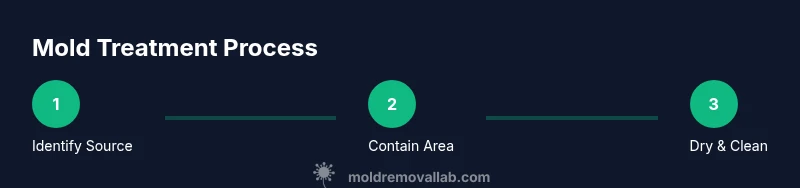
A structured plan helps ensure mold treatment is thorough and safe. Start by locating the moisture source and isolating the affected area, then proceed with cleaning non-porous surfaces, removing or treating porous materials as needed, and drying completely. Reassess after the area is dry to confirm that mold has not returned and to identify any remaining moisture sources. Finally, implement moisture management strategies—such as improved ventilation, dehumidification, and regular inspections—to prevent recurrence. This plan emphasizes containment, cleaning, moisture control, and monitoring as core pillars of effective mold treatment.
Non-chemical approaches and when to use them
Non-chemical strategies, when applicable, focus on moisture control, physical removal, and air quality improvement. Use vacuuming with a HEPA filter to capture mold spores from hard surfaces, increase air exchange, and reduce humidity with dehumidifiers. Enhanced ventilation helps dilute indoor mold spores, while controlling indoor moisture reduces future growth. Non-chemical methods are especially valuable for individuals with chemical sensitivities or for areas where chemical cleaners could damage the substrate. When symptoms persist or mold coverage is extensive, supplement non-chemical methods with proven cleaners and, if necessary, professional remediation.
Aftercare and moisture control
After completing mold treatment, monitor for signs of regrowth and maintain a stable indoor humidity level—ideally between 30-50%. Use moisture meters and dehumidifiers in damp spaces like basements and bathrooms. Regularly inspect for leaks, condensation, and poor insulation, especially around windows and pipes. Addressing root causes—such as roof leaks, insufficient ventilation, or air leaks—helps prevent recurrence. Keep your living environment clean, dry, and well-ventilated to sustain the benefits of mold treatment and protect occupants from health risks.
When to hire professionals
If growth is extensive, mold covers large areas, or mold is suspected in HVAC systems, professional remediation is strongly advised. Professionals can safely remove contaminated materials, treat hidden growth, and perform air quality testing to confirm the remediation success. If you have health concerns, pets with respiratory issues, or uncertain mold types, a pro evaluation is prudent. Mold treatment is most effective when combined with a clear moisture-control plan and follow-up inspections to ensure lasting results.
Tools & Materials
- N95 respirator mask(Ensure proper fit; replace if damaged)
- Protective gloves(Nitrile preferred; avoid latex if allergic)
- Safety goggles(Seal to protect eyes from splashes)
- Disposable coveralls(Keeps skin and clothes clean)
- Plastic sheeting(6-8 mil thickness; tape for containment)
- Painter's tape(Low tack for easy removal after containment)
- Spray bottles(Label with cleaner solution)
- Non-bleach cleaner(Mild detergent or vinegar-based solution)
- Dehumidifier(Maintain RH below 50%)
- HEPA vacuum (optional)(Use only with HEPA filtration)
- Trash bags(Seal and dispose of contaminated materials)
- Moisture meter(Track dryness after treatment)
Steps
Estimated time: 2-6 hours total
- 1
Identify mold source and isolate area
Begin by locating the moisture source that feeds the mold. Confine the space using plastic sheeting and tape to prevent spores from spreading to adjacent rooms. Mark the area with signage and restrict access until containment is secure.
Tip: Seal all openings to the rest of the house; even small gaps can let spores escape. - 2
Put on PPE and ventilate the space
Don your N95 mask, gloves, goggles, and protective clothing. Open exterior vents or use a fan to exhaust air outdoors, ensuring good airflow without blowing contaminated air into other spaces.
Tip: Check respirator fit before starting; a poor seal reduces protection. - 3
Address moisture source and begin drying
Fix leaks or condensation problems, then run a dehumidifier to reduce humidity. Keep the area dry for at least 24-48 hours or until moisture meters read stable readings below your target level.
Tip: Document the source and repair it to prevent recurrence. - 4
Clean non-porous surfaces with appropriate cleaner
Wipe down hard, non-porous surfaces with a mild cleaner, using circular motions from clean to dirty zones. Rinse with water if required by your cleaner's instructions, then dry the surface completely.
Tip: Never mix cleaning agents; label containers and work in order. - 5
Treat porous materials: remove or encapsulate
Porous materials like drywall, insulation, or fabric that are visibly moldy should be removed and disposed of if possible. If removal isn’t feasible, consider encapsulation and sealing after thorough cleaning and drying, recognizing that success is not guaranteed.
Tip: Porous items containing mold are usually best replaced to prevent regrowth. - 6
Rinse and sanitize, then dry thoroughly
After cleaning, rinse surfaces as needed and dry completely. Use fans or dehumidification to accelerate drying, aiming for moisture stability across all affected materials.
Tip: Ensure no damp pockets remain; hidden moisture can spawn renewed growth. - 7
Re-inspect and seal gaps to prevent recurrence
Perform a final inspection for remaining mold spots and moisture issues. Seal gaps around windows, pipes, and roofing; improve ventilation where moisture accumulates.
Tip: Keep humidity in check year-round with a simple plan for maintenance.
FAQ
Can I treat mold myself for small areas?
Yes for small, non-porous patches and when you can safely manage containment and ventilation. For larger growth or porous materials, professional remediation is advised.
Yes, small non-porous patches can be managed at home, but larger or porous growth should prompt a professional evaluation.
Is bleach effective for mold cleanup?
Bleach can kill surface mold on non-porous surfaces but is not ideal for porous materials. Use non-bleach cleaners and focus on moisture control for porous areas.
Bleach kills surface mold on hard surfaces but isn’t reliable for porous materials; use appropriate cleaners and fix moisture.
How long does mold treatment take?
Total time varies with area size and degree of contamination. Simple cleanup may take a few hours, while extensive growth and drying can span days.
It depends on the area and extent, ranging from a few hours to several days with drying involved.
Can mold return after treatment?
Yes, if moisture reappears or humidity remains high. Address the moisture source and maintain humidity to reduce recurrence.
Mold can come back if moisture isn’t controlled; fix leaks and keep humidity in check.
When should I hire a professional?
Consider professional remediation for extensive growth, growth behind walls, or mold in HVAC systems, or if health concerns exist.
If growth is large or hidden, or you have health concerns, bring in a pro.
Are there health risks from DIY mold treatment?
Mold exposure can trigger allergies or asthma. Use PPE, ventilate, and seek medical advice if you notice symptoms during cleanup.
Exposure can affect breathing; use protective gear and stop if you feel unwell.
Watch Video
The Essentials
- Identify moisture sources before cleaning.
- Use proper PPE and containment to prevent spread.
- Differentiate between porous and non-porous materials.
- Moisture control is essential to prevent recurrence.