Mold Remediation: A Practical Guide for Homeowners
A practical, step-by-step mold remediation guide for homeowners and renters. Learn safe containment, cleaning methods, moisture control, and when to call professionals to protect health and property.


By the end of this guide, you will be able to identify mold hotspots, contain growth safely, and perform a practical remediation approach suitable for most homes. This process emphasizes safety, non-toxic cleaners, and clear steps; however, severe contamination or toxic mold requires professional intervention. According to Mold Removal Lab, proper remediation protects your health and property.
What mold remediation means for your home
Mold remediation is the process of removing mold growth and preventing its return by addressing moisture, correcting airflow, and cleaning contaminated surfaces. It is not just about scrubbing visible spots; effective remediation considers the hidden sources of moisture, the porosity of materials, and the potential spread of mold spores. The goal is to restore indoor air quality, protect structural integrity, and reduce health risks for households, including children and individuals with allergies or asthma. The Mold Removal Lab team notes that most indoor mold problems begin with moisture intrusion—think a leaky roof, condensation on windows, or a damp crawl space. Preventive steps, like repairing leaks promptly and improving ventilation, are essential to long-term success. Mold remediation should be prioritized when mold covers more than a small area or when it involves materials that cannot be easily cleaned or dried. A practical approach combines containment, safe cleaning methods, and moisture control, using non-toxic or low-toxicity cleaners where possible. Always consider local regulations and, if in doubt about safety, contact a remediation professional. Mold Removal Lab analysis shows that addressing moisture is the most reliable way to reduce recurrence.
Safety first: protecting yourself during cleanup
Safety is the foundation of any mold remediation plan. Before you touch any mold, wear proper PPE, contain the work area, and ensure good ventilation. Use an N95 respirator (without a vent) or a higher-grade mask if the contamination is extensive. Pair PPE with chemical-safe cleaners and non-porous tools to minimize spore spread. Never mix cleaners like ammonia and bleach; that combination can create hazardous gases. Keep children and pets away from the work zone and take breaks if you start to feel lightheaded or irritated. After removing visible mold, wash hands thoroughly and launder contaminated clothing separately. For ongoing indoor air quality, run a residential-grade air purifier with a HEPA filter if available.
Quick assessment: identify moisture hotspots and mold growth
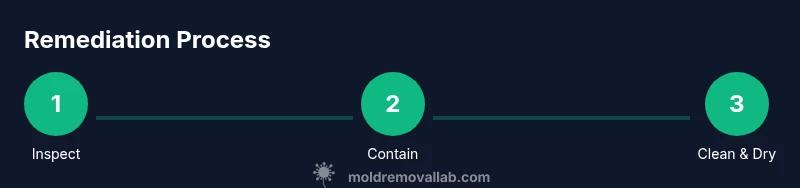
Start with a visual inspection to locate stains, musty odors, and damp areas. Common hotspots include basements, bathrooms, kitchens, and areas around windows where condensation occurs. Use a moisture meter or hygrometer to identify elevated humidity, and document findings with photos for your records. Note the type of surface (porous vs non-porous) to decide on the cleaning method. Remember, mold can hide behind drywall, under carpets, and inside insulation, so don’t rely on surface appearance alone.
Containment measures to prevent spread during remediation
Containment reduces the risk of spores dispersing to clean areas. Seal off the work zone with plastic sheeting and tape, create a negative air pressure environment if possible, and close doors or seal HVAC vents leading to other rooms. Use plastic drop cloths to cover floors and furniture that can’t be removed. Ensure workers remove contaminated PPE before leaving the space or put on fresh gear for each new area. Clear signage helps keep others out during remediation.
Cleaning methods: non-porous vs porous materials
Non-porous surfaces (glass, metal, certain plastics) typically respond to detergent cleaning and sanitizers. Porous materials (drywall, carpet, fabric) that have visible mold growth may need removal, disposal, or professional treatment. Light surface mold on painted walls can be scrubbed with mild detergent and water, followed by thorough drying. For stubborn mold or water-damaged porous materials, consider removing affected sections and disposing of them in sealed bags. Always dry the area completely to prevent regrowth.
Addressing moisture sources to prevent recurrence
Mold remediation succeeds only when moisture intrusion is controlled. Fix leaks, improve ventilation in bathrooms and kitchens, and use dehumidifiers in damp spaces. Aim for indoor RH under 60% in most climates; monitor humidity with a hygrometer. Regularly inspect areas prone to dampness, such as window frames, roofs, and crawl spaces. Keeping moisture in check reduces the chance that mold will return after cleaning.
When to call professionals and what to expect from a pro remediation
If mold covers a large area (generally more than a few square feet), or if there is extensive water damage, professional remediation is recommended. A licensed contractor will assess moisture, isolate the area, remove contaminated materials, and perform a thorough cleaning and drying protocol. Expect documentation of containment, waste disposal, and post-remediation moisture testing. Professionals can also advise on mold-sensitive health concerns and help with insurance documentation.
Documentation, disposal, and aftercare
Maintain records of assessment findings, cleaning steps, and moisture readings. If materials were removed, ensure proper disposal in sealed bags and compliant recycling or landfill guidelines. After remediation, re-check humidity and perform periodic inspections every few months, especially after storms or heavy humidity periods. Ongoing prevention is the best defense against future mold issues.
Authoritative sources on mold remediation
For in-depth guidance, consult established sources:
- U.S. Environmental Protection Agency (EPA): Mold resource and remediation guidance — https://www.epa.gov/mold/mold-remediation
- Centers for Disease Control and Prevention (CDC): Dampness and mold health considerations — https://www.cdc.gov/mold/dampness.html
- National Institute of Environmental Health Sciences (NIEHS): Health risks and mold information — https://www.niehs.nih.gov/health/topics/agents/mold/
These sources provide foundational safety practices and regulatory considerations that complement homeowner-focused remediation steps.
Tools & Materials
- N95 respirator mask (without exhalation valve)(Fit-tested if possible; replace if damaged or damp)
- Protective goggles(Wraparound style preferred)
- Chemical-resistant gloves(Latex-free if possible; disposable preferred for cleanup)
- Disposable plastic sheeting(At least 6 mil; tape to seal edges)
- Heavy-duty trash bags(Seal bags before removal from the area)
- Detergent and non-ammonia cleaner(Mild household detergent or specialized mold cleaner)
- Scrub brushes and microfiber cloths(Non-abrasive for smooth surfaces)
- Bucket and mop or sponge(For rinsing and removing debris)
- Hydrogen peroxide or appropriate biocide (as directed)(Use only per label instructions; avoid mixing with ammonia)
- Moisture meter or hygrometer(Helps track drying progress and humidity levels)
- Dehumidifier or fans(Promotes fast drying; position to dry the area thoroughly)
Steps
Estimated time: 2-6 hours
- 1
Assess the scope and plan
Begin with a visual survey of mold growth and moisture sources. Document affected areas with notes and photos to guide containment and cleanup decisions.
Tip: Create a simple map of the area and mark the moisture hotspots. - 2
Set up containment
Seal the work zone with plastic sheeting and minimize air exchange with other spaces. Close doors and cover HVAC intakes if safe to do so.
Tip: Use tape to seal joints and ensure the space remains isolated. - 3
Put on PPE and prepare cleaning tools
Wear an N95 mask, goggles, and gloves before handling any contaminated materials. Gather non-toxic cleaners and disposable tools for the job.
Tip: Do a quick PPE fit check and replace any torn gear. - 4
Address the moisture source
Fix leaks, improve ventilation, and reduce humidity in the area before cleaning starts. Without moisture control, mold returns quickly.
Tip: Document repairs for future reference and insurance claims. - 5
Clean non-porous surfaces
Wash non-porous surfaces with detergent and water, then dry completely. Use a clean cloth for each surface to avoid cross-contamination.
Tip: Work from least contaminated to most contaminated areas. - 6
Handle porous materials
Porous materials with mold or water damage may need removal and disposal. If salvageable, clean with care and ensure thorough drying.
Tip: Bag and seal removed porous materials before transporting them out of the home. - 7
Dry the area and re-inspect
Use a dehumidifier and fans to reach a dry state; re-check for residual moisture and new mold growth after cleaning.
Tip: Aim for consistent dryness for several days of monitoring. - 8
Finalize and document
Record moisture readings, cleaning methods, and disposal details. Keep a folder with receipts and photos for future reference.
Tip: Store documentation in a Home Maintenance file for easy access.
FAQ
What is mold remediation and why is it important?
Mold remediation is the safe removal of mold growth and prevention of recurrence through moisture control, cleaning, and proper containment. It protects health and structural integrity by reducing exposure to mold spores.
Mold remediation is the safe removal of mold and prevention of its return, protecting health and your home.
Can I DIY mold remediation for small patches?
For small, non-porous areas with minimal growth, DIY remediation with proper PPE and cleaners can be feasible. Large areas or porous materials may require professional remediation.
DIY can work for small, non-porous spots, but larger or porous areas should be handled by pros.
How long does remediation take?
Duration varies by area size, moisture level, and material type. Plan for several hours to a couple of days for thorough work and drying.
It depends on the space, but remediation can take from hours to a couple of days.
Is black mold more dangerous?
Color does not determine danger; some black molds can be hazardous, particularly for sensitive individuals. A professional assessment helps determine risk and remediation needs.
Black mold can be hazardous, but risk is about exposure and health conditions; get a proper assessment.
Should I replace drywall after remediation?
Porous materials damaged by mold are often removed and disposed of. If drywall is dry and mold-free after cleaning, it may be preserved with proper drying.
You may need to remove damaged porous materials, but some drying and cleaning can save intact surfaces.
Can mold contamination occur during removal?
Yes—without proper containment and PPE, spores can spread. Use sealed containment, proper disposal, and protective gear during remediation.
Yes. Containment and PPE are essential to prevent spore spread during cleanup.
What should I do after remediation to prevent return?
Continue moisture control: fix leaks, improve ventilation, and monitor humidity. Regular checks help catch issues before mold regrows.
After remediation, keep moisture under control and monitor humidity to prevent regrowth.
The Essentials
- Identify moisture sources early and address them.
- Contain the work area to prevent mold spores from spreading.
- Use non-toxic cleaners when possible and dry surfaces completely.
- Differentiate between DIY and professional remediation for safety.
- Document moisture issues and remediation steps for future reference.