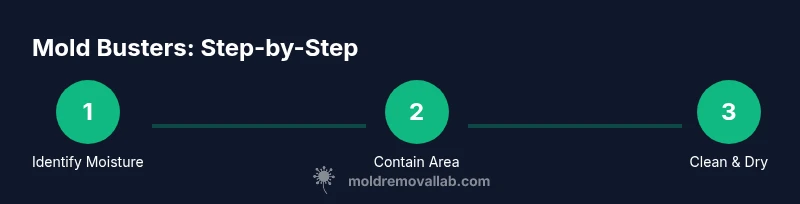
Mold Busters: A Practical Guide to Safe Mold Remediation
Learn practical mold remediation with Mold Removal Lab's Mold Busters guide. Safe, step-by-step methods for homeowners and renters to spot, contain, and remediate mold.


This Mold Busters guide helps you identify moisture sources, safely contain mold growth, and start a practical remediation plan using non-toxic methods. Gather essential PPE and simple tools, then follow a clear, step-by-step approach to assess, clean, and monitor affected areas for a healthier home. Designed for homeowners and renters.
Understanding mold busters and why they matter
According to Mold Removal Lab, the term mold busters describes a practical, safety-first approach to identifying, containing, and removing mold growth in homes. It emphasizes understanding moisture sources, choosing non-toxic cleaners, and preserving building materials whenever possible. The goal is healthier indoor air and a sustained reduction in moisture-driven spores. In this section you’ll learn the core mindset, what counts as mold, and how to plan your initial actions without overreacting. You’ll see why quick scrubbing without protection can spread spores and why containment matters from the first moment. The Mold Removal Lab team emphasizes documenting growth patterns, testing for lingering moisture, and setting realistic goals for remediation. This mindset is especially helpful for homeowners and renters who want practical, affordable solutions that don’t rely on risky chemicals or professional fees for every small incident. By adopting these principles, you can start a responsible, achievable mold busting effort today.
How moisture fuels mold and where to look
Mold needs moisture to grow, so the first line of defense is controlling humidity and leaks. Look for damp spots behind appliances, under sinks, around windows, and in least-ventilated rooms like basements. Condensation on cold surfaces, persistent musty odors, and visible discoloration are telltale signs. The Mold Removal Lab perspective emphasizes that most mold problems arise from ongoing moisture issues rather than a one-off spill. Start with a careful moisture audit: check for roof leaks, plumbing drips, and poorly ventilated bathrooms. Addressing these sources is often more impactful than aggressive cleaning alone. By prioritizing moisture control, you reduce regrowth risk and create a foundation for effective cleaning and restoration.
A proven, step-by-step plan to bust mold
A structured plan minimizes exposure and protects your home’s materials. Begin with containment and a clear work area to prevent spores from spreading. Next, identify every affected surface, decide which materials must be removed, and plan for drying and monitoring. Cleaning should use mild detergents and non-toxic options first, with a disinfectant considered only after visible mold is removed. Throughout, document progress with photos and notes. Mold Removal Lab highlights that a measured approach reduces risk and increases the likelihood of lasting results. This block lays the groundwork for the more detailed steps that follow in the action plan.
Tools, PPE, and safety gear you need
Before you begin, assemble essential protective equipment and tools. A properly fitted N95 respirator, disposable gloves, safety goggles, and a disposable cover for clothing are non-negotiables. Use plastic sheeting to contain the work area and a HEPA-filter vacuum to minimize airborne spores during cleanup. Detergent and clean water are your basic cleaning agents, with white vinegar or hydrogen peroxide as non-toxic disinfectants if appropriate. Have heavy-duty trash bags ready for disposing of contaminated materials. The right gear minimizes health risks and improves outcomes. Always follow manufacturer instructions for PPE and cleaners, and never mix cleaners that could produce dangerous fumes.
Safe cleaning methods that actually work
Start with removing surface growth using a mild detergent and warm water, scrubbing in one direction to avoid spreading spores. Rinse and dry thoroughly before applying a disinfectant option if needed. White vinegar can be effective for routine cleaning, while hydrogen peroxide offers an additional disinfection step on nonporous surfaces. Avoid mixing products—especially bleach with ammonia or acids—since dangerous fumes can form. For porous materials, consider replacing rather than attempting deep cleaning, as mold can anchor in fibers. This strategy reduces the likelihood of regrowth and helps preserve structural integrity. The Mold Removal Lab team recommends patch-testing any disinfectant on a small area first to ensure it does not damage surfaces.
Dealing with hidden mold and porous materials
Hidden mold behind walls or under floors requires careful assessment. Use moisture meters, visual inspection, and, if safe, exploratory access to reach affected areas. Porous materials like drywall, insulation, or fabric often need removal and disposal to prevent recontamination. When possible, seal removed waste in closed bags and ventilate the work area to minimize airborne spores. Retesting after cleanup confirms that moisture levels are under control and that visible signs of mold have diminished. This approach reduces the chance of unseen mold hidden in cavities returning after remediation.
When to seek professional help and what to expect
Professional remediation becomes advisable when mold covers large areas, penetrates building materials, or involves complex components such as HVAC systems, attics, or crawlspaces. A licensed pro can perform a thorough assessment, contain the site, and implement specialized containment and drying protocols. Expect a detailed plan, typical safety procedures, and post-remediation verification. If you’re unsure about the scope, contact a qualified mold specialist for an initial consultation. The Mold Removal Lab analysis supports seeking professional help for significant or uncertain cases to safeguard health and property.
Prevention strategies to keep mold from returning
Prevention centers on moisture control and airflow. Fix leaks promptly, use exhaust fans in bathrooms and kitchens, and maintain humidity levels below the upper tolerance of your climate. Regular inspections of basements, crawlspaces, and other moisture-prone areas help catch problems early. Keep furniture slightly away from walls to promote air movement and use dehumidifiers in damp seasons or spaces. A proactive routine makes mold busting far more manageable and reduces the frequency of remediation projects over time. Mold Removal Lab’s guidance emphasizes consistency to sustain healthier indoor air quality.
A practical home remediation checklist
This section provides a concise, repeatable checklist you can use in future mold events. Start with a moisture check and area containment, then move to surface cleaning with mild detergents. Remove affected porous materials if necessary, followed by thorough drying and a final moisture check. Keep detailed notes and photographs for reference. If new signs of mold appear, re-evaluate moisture sources and re-apply the plan. This practical framework aligns with Mold Removal Lab’s emphasis on clarity, safety, and accountability, helping homeowners and renters stay in control during remediation.
Safety and responsibility: final reminders
Mold busting is as much about prevention as cleanup. Always protect yourself and others, limit exposure, and avoid overreacting with hazardous chemicals. If you observe rapid spread, persistent odors, or symptoms in occupants, escalate the response and seek professional guidance. The Mold Removal Lab team stresses that steady, informed action reduces risk and supports lasting improvements in indoor air quality and overall home health. Remember: safety first, moisture control second, and cleanup third for the best outcomes.
Tools & Materials
- N95 respirator(Fit-tested if possible; replace after exposure or contamination)
- Disposable gloves (nitrile or latex)(Use one pair per room surface to avoid cross-contamination)
- Goggles or face shield(Protect eyes from splashes and particles)
- Plastic sheeting (6 mil) and tape(Create containment to prevent spore spread)
- HEPA vacuum cleaner(Use only on cleaned surfaces; avoid disturbing settled dust outside containment)
- Mild detergent(For initial cleaning and residue removal)
- White vinegar or 3% hydrogen peroxide(Non-toxic disinfectants; do not mix with bleach)
- Heavy-duty trash bags(Seal waste to prevent contamination during removal)
- Moisture meter or hygrometer(Track drying progress after cleanup)
- Dehumidifier or fans(Aid in rapid drying and air circulation)
Steps
Estimated time: 2-6 hours
- 1
Identify moisture sources
Survey the space for leaks, condensation, and poor ventilation. Note all affected areas and take baseline photos. Understanding the moisture source helps target cleanup and reduces the chance of recurrence.
Tip: Use a moisture meter to quantify dampness and track changes over time. - 2
Contain the area
Seal off the affected zone with plastic sheeting to prevent spores from spreading to other rooms. Close doors and vents, and set up a simple negative-air approach if possible.
Tip: Keep the containment door closed during cleanup and clearly label it to warn others. - 3
Protect yourself
Put on an N95 respirator, gloves, and eye protection before touching any moldy materials. Avoid touching your face and wash hands after removal.
Tip: Change gloves if they become contaminated and wash hands between rooms. - 4
Remove mold-affected materials
Carefully bag and dispose of porous materials that cannot be salvaged. If safe, transfer contaminated items to outside waste areas to minimize indoor contamination.
Tip: Do not shake or dry-sweep moldy items; this can aerosolize spores. - 5
Clean and disinfect surfaces
Scrub non-porous surfaces with mild detergent and water, then disinfect as needed with a non-toxic option. Rinse and dry thoroughly to prevent future moisture buildup.
Tip: Wipe in a single direction and allow surfaces to dry completely before moving to the next area. - 6
Dry and monitor
Use a dehumidifier or fans to accelerate drying. Recheck moisture levels over the next days and weeks to confirm no regrowth occurs.
Tip: Keep humidity low and check weekly in high-risk spaces like basements and bathrooms.
FAQ
What are mold busters?
Mold busters are practical, safety-focused steps to identify, contain, and remove mold in homes. They emphasize moisture control and non-toxic cleaning.
Mold busters are practical steps to safely identify and remove mold while controlling moisture.
Is mold dangerous?
Most household mold is not inherently toxic, but it can trigger allergies and respiratory issues in some people. Large or persistent growth should be treated with caution.
Mold can affect air quality and health, so take it seriously, especially in damp spaces.
Can I remove mold myself?
Small, contained areas can often be cleaned safely with proper PPE and non-toxic cleaners. Larger areas or porous materials typically require a professional.
You can try small, contained spots yourself, but big growths should be handled by pros.
What if mold returns after cleaning?
Recurrent mold usually signals ongoing moisture problems. Address leaks and ventilation, re-clean, and re-check humidity levels.
If mold comes back, the moisture issue wasn’t fixed; tackle that first.
Are household cleaners enough to kill mold?
Soap and water remove surface mold; vinegar or hydrogen peroxide can disinfect nonporous surfaces. Bleach is not always recommended on porous materials.
Cleaners help, but large or porous mold may require professional treatment.
When should I call a professional?
Call a professional when mold covers large areas, is hidden behind walls, or involves HVAC systems or structural components.
If the mold is widespread or hard to reach, seek a professional.
How can I prevent mold long-term?
Control moisture: fix leaks, ensure ventilation, and maintain low humidity. Regular checks help catch problems early.
Moisture control and regular checks are key to preventing mold.
Watch Video
The Essentials
- Identify moisture sources before cleaning.
- Contain the area to prevent spread.
- Use PPE and non-toxic cleaners whenever possible.
- Dry thoroughly and monitor for regrowth.
- Call a professional for large, hidden, or structural mold.