Mold Max: Practical Home Mold Remediation Guide
Learn practical Mold Max steps for safe home mold remediation, focusing on safety, moisture control, and prevention. This guide from Mold Removal Lab covers prep, containment, cleaning, and follow-up strategies.


Mold Max offers a practical, stepwise approach to safe mold remediation at home. Start with safety gear and containment, then control moisture, apply EPA‑registered cleaners, and dry thoroughly before testing for return growth. This guide walks through the key steps, tools, and decisions, and shows when to call a pro for heavy infestations. for heavy infestations.
Understanding Mold Max and Its Role in Home Mold Remediation
Mold Max is a practical framework that combines containment, safe cleaning, and moisture control to address indoor mold growth. For homeowners, using Mold Max means focusing on both removal and prevention, rather than just scrubbing visible stains. According to Mold Removal Lab, the most effective remediation strategy starts with a clear assessment of moisture sources and space condition. The Mold Removal Lab team notes that ongoing humidity is often the root cause of regrowth, so a long term plan centers on controlling moisture, improving ventilation, and choosing cleaners that are effective yet safe for occupants. By applying these principles in typical home spaces—bathrooms, basements, kitchens, and laundry rooms—homeowners can reduce health risks and protect structural integrity. In this section we set expectations for what Mold Max can do in a real home, and why a staged, safety‑first approach yields durable results. The goal is to create a less hospitable environment for mold while preserving building materials.
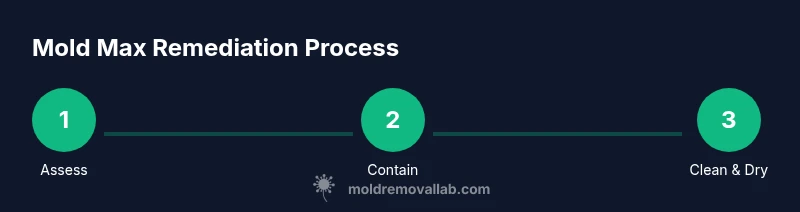
Key steps in this Mold Max framework include assessing the scope and safety, containing the workspace, thoroughly cleaning with approved products, ensuring complete drying, and instituting ongoing moisture management to prevent return.
Core Principles Behind Mold Max: Prevention meets Remediation
At its core, Mold Max treats mold as a symptom of moisture mismanagement. Remediation is incomplete if dampness remains, leaks persist, or airflow is stagnant. This approach blends three pillars: containment to prevent spread, cleaning with products that address mold growth rather than just surface appearances, and moisture management to reduce future growth. Porous materials like drywall or insulation may require removal or targeted drying, while nonporous surfaces such as ceramic or metal respond to surface cleaning more readily. The goal is durable results, not quick fixes. As Mold Removal Lab Team explains, a successful DIY project stops growth at all stages—from detection to drying to upkeep—and reduces the chance of recontamination. By understanding how humidity, ventilation, and material composition interact, homeowners can tailor a plan to their space and avoid common missteps that invite regrowth.
Prep and Safety Before You Start
Before you lift a sponge or a spray bottle, set up a safe workspace. Gather PPE, seal off the area with containment barriers, and make sure the area is dry. Check for active leaks and repair them if visible; this reduces recurring moisture and speeds remediation. Turn on ventilation and, if possible, run a dehumidifier to lower ambient humidity. Label and isolate cleaning tasks to limit cross‑contamination and protect other rooms. Finally, ready your cleaning agents and tools, following label directions and avoiding mixing cleaners that can generate hazardous fumes. From a safety perspective, Mold Max is only as effective as the precautions you take.
Step-by-Step: Safe Mold Max Application in Small Areas
Although Mold Max is scalable, start with small, contained areas to gain experience and minimize risk. The process begins with a careful assessment of the mold‑affected materials and moisture sources, followed by setting up containment with plastic sheeting. Ventilate and run a dehumidifier to begin drying, then don PPE before handling any materials. Apply a cleaner that is EPA‑registered for mold and follow label directions; never mix cleaners. Scrub surfaces with a non‑abrasive brush and wipe away spores gently, then rinse if required and thoroughly dry. Bag or dispose of contaminated materials securely and sanitize tools and the cleanup zone. Document the results and plan preventive steps to maintain a clean, mold‑free space.
Airflow, Humidity, and Ventilation: The Triple Shield
Airflow and humidity control are essential to Mold Max success. Keep spaces well ventilated to flush out spores, use dehumidifiers to maintain optimal moisture levels, and avoid reintroducing damp air from other rooms. In most homes a target RH (relative humidity) below 50–60% supports a stable remediation outcome, though exact targets depend on climate and space. Continuous monitoring with a hygrometer helps detect rebounds early, letting you intervene quickly and prevent regrowth from establishing a foothold.
Cleaning Agents Compared: Bleach, Hydrogen Peroxide, Vinegar, and More
Cleaning products vary in effectiveness and safety. Bleach can kill surface mold on nonporous surfaces, but it often fails to reach embedded mold in porous materials and can produce harsh fumes. Hydrogen peroxide is a gentler option for some surfaces but may not be suitable for all materials. Vinegar offers mild antimicrobial benefits but is not a broad solution for heavy infestations. EPA‑registered mold cleaners are generally a safer, more effective choice for most DIY projects. Always follow product directions and avoid mixing cleaners, which can create dangerous gases. Mold Max emphasizes choosing cleaners that address mold growth while protecting occupants and surfaces.
When to Hire a Pro vs DIY: The Mold Max Decision
DIY remediation can be effective for small, contained areas with minimal material damage. However, if mold covers a large area, if you encounter porous building materials that require removal, or if there is persistent moisture from leaks, hiring a licensed remediator is advised. The Mold Removal Lab Team notes that professionals can perform more thorough moisture management, containment, and post‑remediation testing to ensure long‑term success. When in doubt, start with a small scope and escalate to pro help as needed.
Cost, Time, and Outcome Expectations
Costs vary with space size, materials affected, and the extent of moisture problems. Expect to invest in PPE, containment materials, and a few cleaning products, plus potential rental equipment for drying. DIY remediation generally takes several hours for small spaces, with additional drying time that can extend over days. For larger or structurally challenging areas, professional remediation can reduce risk and ensure comprehensive moisture control. Mold Max is about achieving durable, safe outcomes, not rush‑through fixes.
Documentation, Follow-Up, and Preventive Maintenance
Keep a remediation log that records moisture readings, cleaning steps, and dates of recheck. After cleanup, continue humidity monitoring and maintain ventilation to prevent recurrence. Schedule seasonal checks for leaks, condensation, and insulation integrity, especially in basements and bathrooms where moisture tends to concentrate. Long‑term success relies on ongoing moisture control and periodic re‑inspection to catch early signs of regrowth.
Long-Term Maintenance: Keeping Mold Max Workable
To sustain the benefits of Mold Max, implement a simple maintenance routine: fix leaks promptly, damp‑dust and vacuum regularly, check HVAC drainage, and maintain dehumidification during humid seasons. Regularly inspect problem areas such as basements, bathrooms, and kitchens for moisture buildup, and act quickly if you notice musty odors or visible staining. A proactive approach reduces the chance of regrowth and protects indoor air quality over time.
Final Checklist Before Returning to Normal Use
Confirm that all affected materials are completely dry, with moisture readings below the target threshold for the space. Reassess with a final humidity check and inspect for any damp or musty smell. Ensure HVAC and ventilation systems are functioning properly and that cleanup tools are disinfected. Document the end state and plan a preventive schedule to help maintain a mold‑free home.
Tools & Materials
- N95 respirator mask (or higher)(Ensure proper seal; replace if damp)
- Goggles or safety glasses(Eye protection against splashes and spores)
- Disposable gloves (nitrile or latex)(Chemical resistant, change regularly)
- Plastic sheeting (6 mil or thicker)(Create containment barriers)
- Duct tape or painter’s tape(Seal containment and seams)
- EPA-registered mold cleaner spray(Follow label directions)
- Spray bottle(For applying cleaners evenly)
- Non-abrasive scrub brushes / microfiber cloths(For safe cleaning without surface damage)
- Plastic disposal bags(For contaminated materials)
- Hygrometer / moisture meter(Track humidity levels)
- Dehumidifier or portable fan(Assist drying; keep area under control)
Steps
Estimated time: Total time: 3-6 hours for a small area, plus 24-72 hours drying depending on space and materials.
- 1
Assess the mold and safety
Survey the affected area and identify moisture sources. Decide if DIY is appropriate based on size and materials involved. If uncertain, proceed with caution and plan to call a professional for guidance or cleanup.
Tip: Document initial conditions and moisture source for later comparison. - 2
Set up containment
Install plastic barriers to prevent spores from spreading. Seal doors and vents as needed to create a contained work zone.
Tip: Use negative pressure if possible; keep fans blowing outward from the containment. - 3
Ventilate and dehumidify
Open exterior windows if weather allows and use a dehumidifier to reduce ambient humidity. Run equipment for several hours to start drying.
Tip: Aim for a consistent drying process, not a single burst of airflow. - 4
Don PPE and prepare tools
Put on the respirator, eye protection, and gloves before touching any mold. Lay out cleaning tools and cleaners within easy reach inside the containment.
Tip: Check the fit of your mask before starting; test the seal on cheeks and nose. - 5
Apply cleaner and start cleaning
Spray the cleaner on affected surfaces and follow product directions. Begin from least contaminated areas and move toward the most so you don’t recontaminate cleaned spots.
Tip: Never mix cleaners; read labels for surface compatibility. - 6
Scrub and wipe surfaces
Use a nonabrasive brush or microfiber cloth to remove visible mold. Rinse or wipe as directed and dry promptly.
Tip: Be gentle on porous materials to avoid damage that could harbor mold. - 7
Rinse and dry thoroughly
Rinse surfaces if required and dry to below the target moisture level. Use towels and fans to accelerate drying.
Tip: Check corners and hidden spots where moisture hides. - 8
Dispose of contaminated materials
Seal contaminated materials in disposal bags and remove from the area carefully to avoid spreading spores.
Tip: Double-bag if needed and label contents clearly. - 9
Sanitize tools and area
Clean and disinfect tools; wipe down surfaces after finishing cleaning tasks. Sanitize the area to reduce residual spores.
Tip: Never reuse disposable PPE; dispose of it after use. - 10
Document results and plan prevention
Record moisture readings, cleaning steps, and final condition. Plan ongoing humidity control and regular checks to prevent recurrence.
Tip: Set a reminder for seasonal checks.
FAQ
What is Mold Max and is it safe for DIY remediation?
Mold Max is a practical DIY framework that emphasizes containment, safe cleaning, and moisture control. It is suitable for small, contained spaces when you have the right PPE and patience. For larger or complex infestations, professional help may be necessary.
Mold Max is a practical DIY framework for safe mold cleanup. Use it in small areas, but call a professional if the space is large or complex.
Can I use bleach to treat mold?
Bleach can kill surface mold on nonporous surfaces but is not always effective on porous materials. It can also create fumes and damage. Use EPA‑registered cleaners designed for mold, following label directions.
Bleach may help surfaces, but it isn’t always effective on porous materials. Use approved mold cleaners and follow directions.
How long does Mold Max remediation take?
Time varies with area size, moisture sources, and materials involved. DIY steps can take several hours, with drying often extending over days if large spaces are affected.
It varies, but expect several hours for cleanup plus drying time over days for larger areas.
When should I call a professional remediator?
Call a pro if mold covers a large area, if porous materials require removal, or if moisture problems persist after initial remediation. Professionals can provide thorough moisture control and post remediation testing.
Call a pro if the area is large or moisture keeps returning; professionals can ensure thorough cleaning and testing.
What safety gear is essential for Mold Max remediation?
Essential PPE includes an N95 mask (or higher), safety goggles, and disposable gloves. Consider a protective suit for larger areas and ensure good ventilation throughout.
Wear a good respirator, eye protection, and gloves, with ventilation during cleanup.
Watch Video
The Essentials
- Assess mold scope and safety before starting.
- Contain and ventilate to prevent spread.
- Use EPA‑registered cleaners and dry thoroughly.
- Call a pro for large areas or persistent moisture.