Mold in Shoes: Safe Removal and Prevention
A practical guide for homeowners and renters to tackle mold in shoes, prevent recurrence, and keep footwear clean and safe.


With this guide, you will securely remove mold in shoes and prevent recurrence by cleaning, drying, and proper storage. You'll learn when to use household cleaners, how to inspect footwear, and how long to dry. According to Mold Removal Lab, prompt action reduces exposure risk. It also covers safety steps, symptom checks, and quick fixes for common situations.
What is mold in shoes and why it happens
Mold in shoes occurs when fungal spores find moisture, warmth, and a food source (organic materials like sweatlogged insoles, fabric, or foam) inside footwear. Shoes can trap humidity after workouts, rain, or storage in closed spaces, creating a perfect environment for mold to start growing. The mold may appear as black, green, or white spots on insoles, lining, or outer fabric. Early signs include musty odor, damp feel, and visible staining. The Mold Removal Lab team found that moisture control and thorough drying dramatically reduce mold risks in footwear. Regular air-drying after wear, avoiding damp storage, and cleaning linings can interrupt the mold life cycle and keep shoes safer for daily use.
Health risks of mold in footwear
Exposure to mold in footwear can irritate skin, eyes, and lungs, and prolonged exposure may worsen allergies or asthma. People with sensitive immune systems or pre-existing respiratory conditions should be extra cautious. While many molds are harmless in small amounts, concentrated spores in shoes can become a source of chronic exposure, especially when you reuse contaminated footwear around sleeping or in shared spaces. Based on Mold Removal Lab research, prompt removal of mold and proper drying reduces the likelihood of spores lingering in living areas. Wearing mold-contaminated shoes during activity can transfer spores to feet and socks, increasing the chance of skin infections in rare cases.
How to inspect shoes for mold
Begin with a visual check of the toe box, tongue, lining, heel collar, and insoles. Look for fuzzy growth or discoloration and smell for a musty odor. Inspect the outer sole and internal cavities, such as the toe cap and arch area, where moisture can accumulate. Remove removable insoles and check them separately. For fabric uppers, check seam folds and the tongue seam where moisture hides. If you find mold, isolate the shoe to prevent cross-contamination, and start cleaning according to the steps that follow.
Cleaning methods for mold in shoes
Choose cleaning methods based on material: fabric, foam, leather, and rubber require different approaches. For most fabric and mesh shoes, a vinegar solution (white vinegar diluted with water) can kill surface mold, followed by thorough rinsing and drying. Baking soda can deodorize while absorbing moisture inside the shoe. For leather, avoid soaking and use a mild detergent with a damp cloth, then air dry away from direct heat. A hydrogen peroxide spot treatment works on light-colored fabrics but may bleach some materials; test on a hidden area first. Never mix bleach with ammonia or vinegar; always ventilate. After cleaning, rinse if needed and allow to dry completely in a well-ventilated area.
Drying and storage to prevent mold
Drying is the most critical step. Use a drying rack or hang shoes in a sunny, well-ventilated area or under a fan. If possible, place moisture-absorbing sachets or silica gel inside the shoe to speed up drying. Keep environment dry by using a dehumidifier in rooms where shoes are stored, and avoid storing footwear in damp basements or crowded closets. Re-check shoes after 24-48 hours of drying to ensure no damp spots remain.
Special cases: athletic shoes, leather, synthetic materials
Athletic shoes with foam insoles present unique challenges; remove the insole and clean separately. Leather shoes require gentler cleaning and air drying to preserve the finish. Synthetic textiles can tolerate stronger cleaners but still need thorough drying. For all materials, avoid heat sources that can warp or damage components. If mold returns after cleaning, it may indicate persistent moisture or hidden mold in the lining that requires professional attention.
How to decide when to discard shoes
If mold covers a large area, penetrates the lining and insole, or causes persistent odors after cleaning and drying, discard to avoid health risks. Visible mold that cannot be removed with standard cleaning or patches of mold spreading to multiple pairs is a sign that replacement is wiser. Do not mix contaminated shoes with clean ones.
Quick-start checklist
- Remove affected footwear from daily use and seal off the area during cleaning.
- Wear protective gear and work in a ventilated space.
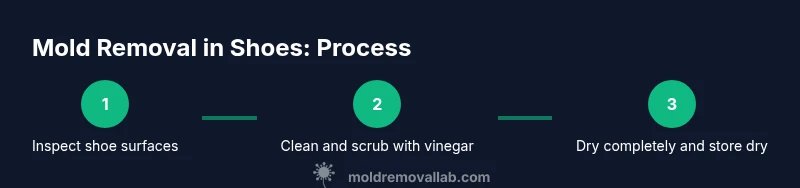
- Scrub with mild detergent and vinegar as appropriate.
- Dry completely using airflow and dehumidification.
- Store in a dry place and inspect weekly during high-moisture seasons.
Maintaining mold-free footwear: long-term habits
Develop a routine that prioritizes dryness and airflow. Rotate shoes to reduce daily moisture load, air footwear after workouts, and store them in breathable containers or on racks rather than in closed boxes. Keep humidity low in storage areas with a dehumidifier or silica gel packs. Regularly inspect for signs of mold, especially during rainy seasons or after heavy sweating. Consistent maintenance is more reliable than aggressive cleaning after mold has already taken hold.
Tools & Materials
- Nitrile gloves(Protect hands from mold spores; powder-free recommended)
- Face mask with mold filtration (N95 or equivalent)(Prevents inhalation of spores during cleaning)
- Soft brush or old toothbrush(For scrubbing surfaces without damaging fabric or foam)
- White vinegar (5% acetic acid)(Antimicrobial cleaner for fabric and insoles)
- Baking soda(Deodorizer and moisture absorber inside footwear)
- Hydrogen peroxide (3%)(Spot treatment on light-colored fabrics only; test first)
- Mild detergent or soap(General cleaning solution for fabrics and linings)
- Drying rack or clean, dry area with good airflow(Crucial to prevent re-moisture)
- Dehumidifier or access to sunny outdoor drying(Speeds up thorough drying)
- Plastic bag or airtight container for storage after cleaning(Use if drying time is extended or to prevent contamination)
Steps
Estimated time: 2-3 hours active, plus 12-24 hours drying
- 1
Prepare and secure the area
Clear a work surface, open windows, and lay down towels to catch any moisture or drips. Put on gloves and a mask before handling moldy footwear. Isolate the affected shoes from other items to prevent cross-contamination.
Tip: Ventilation is essential; avoid closing the space while cleaning. - 2
Remove mold-damaged parts
Take out removable insoles and, if possible, any removable foam inserts. This helps you access hidden mold and dries more evenly. Keep the removed parts separate to prevent spreading spores.
Tip: Place removed parts in a separate bag during cleaning. - 3
Apply cleaning solutions
Treat surface mold with white vinegar solution or mild detergent. Gently scrub, focusing on seams and inner surfaces where moisture hides. For tough spots on light fabrics, consider a hydrogen peroxide spot treatment after a patch test.
Tip: Always test cleaners on an inconspicuous area first. - 4
Rinse and blot
Rinse lightly if necessary and blot excess moisture with a clean towel. Do not soak fabrics or foam inner layers; excessive moisture prolongs drying time and can encourage regrowth.
Tip: Avoid overwetting any foam components. - 5
Dry thoroughly
Place shoes on a drying rack in a well-ventilated area or under a fan. Use a dehumidifier or sunlight if materials permit. Check daily and ensure no damp spots remain before storage.
Tip: Ensure insoles are fully dry before reinsertion. - 6
Deodorize and seal moisture
Sprinkle baking soda inside once dry to neutralize odors and absorb residual moisture. Leave overnight, then shake out before reuse or storage.
Tip: Store in a dry area to maintain freshness. - 7
Reassemble and test
Replace insoles and wear-test the shoes to confirm odor and feel. If mold returns quickly, consider professional assessment or replacement.
Tip: Document the cleaning results for future reference. - 8
Store properly to prevent recurrence
After complete drying, store in a dry, ventilated area. Rotate footwear to avoid moisture buildup and check humidity levels in storage spaces regularly.
Tip: Periodic checks prevent hidden mold growth.
FAQ
Is mold in shoes dangerous to health?
Mold exposure can irritate the skin, eyes, and lungs, especially for sensitive individuals. If you notice symptoms, limit wear and clean the shoes promptly.
Mold exposure can irritate your skin and lungs; limit wearing contaminated shoes and clean them promptly.
Can all shoes be saved if mold is present?
Not always. Leather and heavily contaminated fabric or foam may be damaged beyond safe cleaning. In porous or heavily moldy shoes, replacement is often wiser.
Not all shoes can be saved, especially if the mold is deep or the materials are very porous.
What is the best method to clean leather shoes with mold?
Gently wipe with a damp cloth and mild soap, then air dry away from direct heat. Avoid soaking leather and consider professional cleaning for delicate finishes.
For leather, use a gentle wipe and air dry; don’t soak the leather.
How long does it take to dry shoes after cleaning mold?
Drying time varies by material and humidity, but expect at least several hours to overnight. Ensure complete dryness before wearing or storing to prevent regrowth.
Drying usually takes several hours to overnight, depending on material and humidity.
Should I throw away shoes with mold?
If mold covers large areas or persists after cleaning, or if moisture keeps returning, discard to protect health and home environment.
If mold is extensive or keeps coming back, it’s safer to replace the shoes.
Is it safe to use bleach on moldy shoes?
Bleach can damage fabrics and finishes; avoid on leather. Use vinegar, soap, or hydrogen peroxide on appropriate materials and test first.
Bleach isn’t ideal for most shoes; test cleaners and use gentler options first.
Watch Video
The Essentials
- Inspect shoes after moisture exposure and dry promptly
- Use material-appropriate cleaning methods
- Dry shoes completely before storage to prevent recurrence
- Monitor storage area humidity to reduce mold risk
- Rotate footwear to avoid re-moisture and buildup