Mold in HVAC: Detection, Remediation, and Prevention
A practical guide to identifying mold in HVAC systems, understanding health risks, and safely remediating mold while preventing recurrence. Learn when to DIY and when to hire pros with expert guidance from Mold Removal Lab.


Mold in hvac is a common indoor air issue caused by persistent moisture, condensate on cooling coils, and poor filtration. This guide helps you identify signs, assess risks, and choose how to remediate—safely and effectively. You’ll learn when DIY is appropriate, when to involve a pro, and how to prevent future growth.
Understanding mold in hvac systems
Mold in hvac refers to the growth of mold species within heating, ventilation, and air conditioning components. This is not just a cosmetic problem; mold spores can travel through ductwork and degrade indoor air quality. Growth is typically driven by sustained moisture—condensation on cooling coils, leaks in condensate pans, or blocked drainage lines. When humid air encounters cool metal surfaces, condensation forms, providing a nutrient-rich environment for mold. According to Mold Removal Lab, mold in hvac systems often starts behind panels or inside duct trunks where routine inspection misses moisture sources. Mold Removal Lab Analysis, 2026 indicates that homes in humid climates are at elevated risk due to higher baseline moisture and more frequent condensation events. Practically, you should treat any visible growth or persistent musty odor as a signal to investigate humidity, drainage, and filtration. The goal is to identify all moisture sources, isolate affected sections, and implement a plan that reduces moisture long enough to halt regrowth. Early detection and a proactive approach are essential for protecting occupant health and preserving equipment efficiency.
wordCountInBlockOnlyNotePlaceholders
Tools & Materials
- N-95 respirator or higher(Filtration for mold spores; ensure proper fit)
- Nitrile gloves(Disposable and chemical resistant)
- Safety goggles or face shield(Eye protection during cleaning)
- HEPA vacuum(HEPA-filtered cleanup for spores)
- Soft brush and microfiber cloths(Gently remove mold from non-porous surfaces)
- Mild detergent or cleaner(Soap and water or commercial mold cleaners)
- Spray bottle with water(Mist to dampen spores before wiping)
- Duct panels access tool (screwdriver)(Use only if you know how to safely open panels)
- Plastic sheeting and tape(Containment to limit spore travel)
- Humidity meter / hygrometer(Monitor moisture before and after remediation)
- Sealable plastic bags(Dispose contaminated materials safely)
- Ventilating fan or dehumidifier(Create dry conditions during cleanup)
Steps
Estimated time: Total time: 3-6 hours depending on access and extent of growth
- 1
Prepare and protect the work area
Clear the space around HVAC access points and set up containment to prevent spores from drifting to other rooms. Don your respirator, gloves, and eye protection before touching any moldy surfaces. If possible, turn off the HVAC system to stop air movement through the ducts while you assess the problem.
Tip: Containment minimizes cross-contamination; seal doors with plastic sheeting when feasible. - 2
Identify moisture sources
Inspect condensate pans, drain lines, and nearby plumbing for leaks or standing water. Use a moisture meter near suspected areas to confirm elevated humidity. Addressing the moisture source is essential before biodegrading the mold is attempted.
Tip: Fix leaks or drain blockages first; moisture control is more important than cleaning surfaces alone. - 3
Clean accessible surfaces
Wipe non-porous surfaces with a mild detergent solution, then dry completely. For porous materials (insulation, drywall), do not attempt to scrub; instead remove and replace if mold has penetrated the core. Repeat cleaning until visible growth is removed.
Tip: Use a damp wipe rather than soaking surfaces to limit dispersal of spores. - 4
Vacuum and remove debris safely
Use a HEPA-equipped vacuum to collect dust and loose spores from the work area and duct components that are accessible without removing built-up insulation. Avoid brushing porous materials aggressively, which can release spores into the air.
Tip: Vacuum slowly in short passes and seal the canister after use. - 5
Dry the space thoroughly
Run dehumidifiers and increase ventilation to achieve low humidity in the cleaned area. Use a moisture meter to verify RH levels stay below typical growth thresholds for several days. A dry environment reduces the chance of regrowth.
Tip: Keep humidity under control for at least 72 hours after cleanup. - 6
Reassemble and monitor
Reopen the HVAC system and reassemble any panels once the area is dry. Monitor the space for several weeks for signs of new moisture or musty odors. If odors persist, consider professional assessment for hidden mold.
Tip: Document changes and track humidity to catch recurrence early.
FAQ
What is mold in HVAC and why does it happen?
Mold in HVAC systems grows where there is persistent moisture, such as condensation on coils or leaks in pans. Spores can travel through ducts, affecting indoor air quality. Address moisture first, then clean accessible surfaces safely.
Mold in HVAC grows where moisture is present, often traveling through ducts. Start by fixing moisture sources, then clean accessible surfaces safely.
Can I DIY mold remediation in HVAC units?
DIY remediation is possible for small, surface mold on non-porous parts with proper protective gear and containment. Do not attempt to remediate mold inside sealed ducts or behind porous materials. When in doubt, hire a pro.
You can handle small surface mold with protection and containment, but avoid ducts or porous materials—call a professional if unsure.
What are common signs of mold in HVAC?
Musty odors, visible growth on accessible surfaces, increased condensation, or unexplained allergic symptoms can indicate mold. A moisture problem typically accompanies mold growth, so identify and fix water sources.
Look for musty smells, visible growth, or excess moisture. Fix water sources and consider professional help if the problem seems hidden.
When should I contact a professional?
If mold covers larger areas, is behind walls, or reappears after cleaning, professional assessment and remediation with containment and air handling is advised. Professionals can safely manage complex ductwork and ensure thorough drying.
Call a professional when growth is extensive or hidden—behind walls or in ducts—or if it keeps coming back.
Are mold spores dangerous to health?
Mold spores can irritate the eyes, skin, and lungs, especially for sensitive individuals. Reducing exposure through proper cleaning, ventilation, and moisture control lowers risk.
Spores can irritate sensitive people; reduce exposure by cleaning safely, ventilating, and controlling humidity.
What steps prevent recurrence after remediation?
Maintain humidity below 60% (ideally around 40-50%), fix leaks promptly, clean filters regularly, and inspect ducts periodically. Quick action after any moisture event is key.
Keep humidity in check, fix leaks, and inspect ducts regularly to prevent mold from returning.
Is it safe to run a dehumidifier near the HVAC system?
Yes, using a dehumidifier in adjacent spaces helps reduce overall humidity that can contribute to mold. Avoid placing it directly inside air ducts; use it in rooms with high moisture instead.
A dehumidifier in the room helps, but don't put it inside ducts. Use it where moisture is highest.
Watch Video
The Essentials
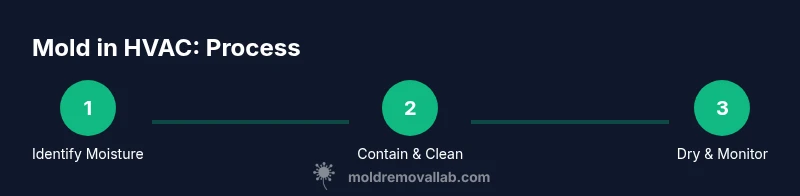
- Identify moisture sources before cleaning.
- Use proper protective gear and containment.
- Prioritize drying and humidity control to prevent recurrence.
- Limit DIY scope to accessible, non-porous areas.
- Know when to call a professional for hidden mold.