Air Filter Mold: DIY Remediation Guide for Homes
A practical, step-by-step guide to identify, clean, and prevent mold on air filters. Learn safe methods, essential tools, and prevention tips for healthier indoor air.


Air filter mold is a common indoor air issue that forms when moisture, dust, and heat meet inside your HVAC system. Replacing the filter, inspecting the housing, and following safe cleanup steps can limit mold spread and improve indoor air quality. This guide provides a safe, practical remediation plan you can start today.
What is air filter mold and how it forms
Mold on or behind an air filter typically starts where moisture accumulates in the HVAC system. Dust and organic debris provide a food source, while warm air and occasional leaks create a hospitable environment for mold spores to settle and grow. These spores are common in most homes, but active growth usually signals moisture control issues rather than a random occurrence. According to Mold Removal Lab, addressing the moisture source is the first and most critical step in stopping mold at the source. Identifying the exact location of growth—whether on the filter media, within the frame, or in the blower housing—helps you choose the right cleanup approach and prevents recurring contamination. By understanding how humidity, filtration, and airflow interact, you can design a prevention plan that reduces future mold risk and protects indoor air quality for your family.
How moisture and filtration interact in HVAC systems
HVAC filters are designed to trap dust and spores, but they can also trap moisture when humidity is high or when leaks occur. When moisture persists, mold colonies can thrive on the filter surface or in damp corners of the housing. The result is uneven airflow, reduced filtration efficiency, and an increased likelihood that spores will circulate back into living spaces. To minimize this risk, ensure you use a filter with the correct MERV rating for your system, maintain proper humidity levels, and replace filters promptly when they appear damp, discolored, or clogged. Mold Removal Lab Analysis, 2026 suggests that maintaining low indoor humidity and regular filter replacement are key levers in preventing mold growth in HVAC components.
Quick safety notes before you start
Cleaning mold should be approached with safety in mind. Always wear PPE—N95 or better respirator, gloves, and eye protection—and minimize disturbance to fungal growth to avoid spore dispersal. Work in a well-ventilated area and seal off the work zone if possible. Avoid using abrasive methods that scatter spores and never mix cleaning agents, as certain combinations can produce dangerous fumes. If you have a history of allergies or respiratory issues, consider postponing active remediation and consult a professional for a safe assessment.
Visual cues that mold may be present on or around the filter
Look for dark green, black, or gray spots on the filter media, housing, or duct connections. A musty odor often accompanies visible growth and indicates elevated moisture. If you notice staining on the filter frame, warped edges, or moisture on the service panel, these are signs of ongoing humidity problems. Remember, mold can appear even if you don’t see obvious colonies; spores may be present in the air and on adjacent surfaces. When in doubt, treat suspected mold as a potential health risk and proceed with caution.
Safe cleanup steps for small mold issues on filters and housings
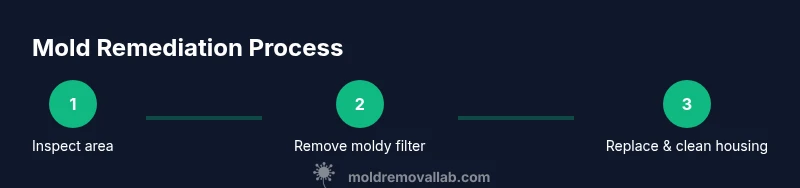
- Power down the HVAC unit and disconnect it from power. Remove the disposable filter carefully and place it in a sealed bag for disposal.
- Wipe the filter housing with a detergent solution and a microfiber cloth. Use a HEPA vacuum to capture loose spores from non-porous surfaces.
- If the housing is plastic or metal, aEPA-registered mold cleaner or a mild soap solution can be used. Rinse with clean water and dry thoroughly before reinstalling a new filter.
- Dispose of all contaminated cleaning materials in a sealed bag and wash your hands and clothing after the cleanup. These steps help limit cross-contamination and reduce the chance of reintroducing mold spores into the living space.
Cleaning the housing and nearby surfaces
Mold can creep into the crevices of the blower housing and along duct connections. After removing the filter, clean visible mold from non-porous surfaces using a non-ammonia detergent or EPA-registered cleaner. A HEPA vacuum should be used on the area to capture spores, followed by thorough drying. If mold persists in any porous material, such as insulation or drywall near the unit, consider replacement or professional remediation. Keeping the area dry with improved air circulation reduces the chance of regrowth.
Preventing future mold growth: humidity control and filtration strategy
Maintaining indoor humidity below 50% (ideally 30-50% depending on your climate) reduces mold likelihood. Use a dehumidifier or air conditioner during humid months and fix leaks promptly. Choose filters with an appropriate MERV rating for your system and replace them on a schedule aligned with your usage and environment. Regular inspections of the HVAC cabinet and ductwork help you catch moisture problems early. Implementing a simple, repeatable maintenance routine can dramatically decrease mold risk over time.
Choosing replacement filters and monitoring for mold
Select a replacement filter that matches your system’s size and MERV rating as specified by the manufacturer. When installing, ensure a snug seal to prevent bypass of unfiltered air. Keep an eye on humidity indicators or hygrometers in damp areas and note any changes in airflow or strange odors. If you notice recurrent moisture issues or repeated mold growth after cleaning, it’s a strong signal to involve a professional remediation service.
Long-term maintenance plan and professional thresholds
Establish a routine inspection twice a year and after any moisture incident (leaks, floods, or significant humidity spikes). If visible mold or persistent musty odors reappear after a cleanup, or if mold covers more than a small area around the unit, professional remediation is warranted. The Mold Removal Lab team recommends documenting mold occurrences and humidity levels to guide future prevention efforts and to determine whether a more comprehensive HVAC assessment is needed.
Tools & Materials
- PPE kit (N95 mask, gloves, eye protection)(Protection from mold spores during cleanup)
- HEPA vacuum(Sealed exhaust, high efficiency filtration)
- Disposable cleaning wipes(Non-porous surfaces only)
- Mild detergent or soap(Unscented, non-ammonia preferred)
- EPA-registered mold cleaner(For non-porous surfaces; follow label directions)
- Replacement air filters (matching size and MERV rating)(Check HVAC model for exact size and rating)
- Moisture meter or hygrometer(Helps monitor humidity levels during cleanup)
- Thick sealable trash bags(Double-bag contaminated materials for disposal)
- Spray bottle with water(Diluted cleaner or plain water for dampening wipes)
Steps
Estimated time: 1-3 hours
- 1
Assess scope and safety
Survey the area for visible mold on the filter and housing. Determine if the growth is localized or widespread, and evaluate whether moisture is a persistent issue. If the mold covers a large area or you have health concerns, plan for a professional assessment.
Tip: Document findings and moisture sources before starting cleanup. - 2
Power down and isolate the area
Turn off the HVAC system and unplug the unit to prevent accidental air movement that could spread spores. Open nearby windows to improve ventilation, but avoid creating drafts toward living spaces. Isolating the workspace helps minimize cross-contamination.
Tip: Always wear PPE before handling mold-affected components. - 3
Remove and replace the air filter
Carefully remove the old filter and seal it in a bag for disposal. Insert a new filter of the correct size and MERV rating, ensuring the arrow aligns with airflow direction. A secure seal minimizes bypass of unfiltered air.
Tip: Handle the old filter by the edges to reduce contact with moldy surfaces. - 4
Inspect housing and visible ductwork
Check the filter housing, seams, and nearby duct connections for mold growth. Photograph any areas of concern for reference and potential professional guidance if growth is detected beyond the non-porous surfaces.
Tip: If you see mold on porous material, avoid disturbing it; contact a pro. - 5
Clean exposed surfaces
Wipe non-porous surfaces with a mild detergent solution and vacuum with a HEPA-equipped tool. For stubborn spots, use an EPA-registered cleaner following label directions and allow surfaces to dry completely.
Tip: Never mix cleaners; rinse and dry thoroughly to prevent residual moisture. - 6
Dry and monitor humidity
Dry all cleaned areas completely and reassemble the unit. Use a hygrometer to track humidity levels and ensure they stay below typical indoor thresholds to discourage regrowth.
Tip: If humidity remains high, run a dehumidifier in the space. - 7
Evaluate next steps
Determine if the mold was confined or if moisture issues persist. If mold recurs after cleaning or if you notice ongoing moisture intrusion, plan a professional remediation or HVAC inspection.
Tip: Keep a maintenance log to identify recurring moisture patterns.
FAQ
Is air filter mold dangerous to breathe?
Mold spores can irritate the eyes, skin, and lungs, especially for sensitive individuals. Ventilating the area and wearing PPE during cleanup reduces risk. If you have health concerns, consult a professional.
Mold spores can irritate airways, so protect yourself during cleanup and seek professional help if you have symptoms.
Can I clean mold from an air filter myself?
Small, localized mold on non-porous surfaces can often be cleaned safely with appropriate PPE and cleaners. If the mold is spread across porous materials or behind the unit, hire a professional.
You can clean small, non-porous areas yourself with the right safety gear, but large or hidden growth should be handled by a pro.
How often should I replace air filters to prevent mold?
Replace filters according to the manufacturer’s guidance and more frequently in humid environments. Regular replacement helps reduce mold food sources and maintain airflow.
Follow the manufacturer’s schedule and consider more frequent changes in humid climates.
What if mold keeps returning after cleaning?
Persistent mold usually signals ongoing moisture problems. Investigate leaks, humidity, and filtration integrity. A professional assessment may be necessary.
If mold comes back, there’s likely an unresolved moisture issue needing expert attention.
Are there safe cleaners for mold on the air filter housing?
Use non-ammonia detergents or EPA-registered mold cleaners on non-porous surfaces. Always follow label directions and ensure the area dries completely.
Non-ammonia cleaners or EPA-approved mold cleaners on non-porous surfaces work well when used as directed.
Should I run the HVAC after cleaning to dry the area?
Limit air movement during cleaning to prevent spores from spreading. After cleaning and drying, you can resume normal HVAC operation with a clean filter.
Let things dry first, then you can run the system after confirming everything is clean and dry.
Watch Video
The Essentials
- Identify moisture sources before cleaning.
- Replace filters promptly and seal the housing.
- Keep humidity in check to prevent recurrence.
- Use PPE and avoid aggressive cleaning on porous materials.
- Call a professional if mold persists or covers large areas.