Mold in Clothes: Practical Removal and Prevention Guide
Learn how to identify mold in clothes, safely remove it, and prevent recurrence with fabric-aware cleaning, proper drying, and smart storage for a healthier wardrobe.


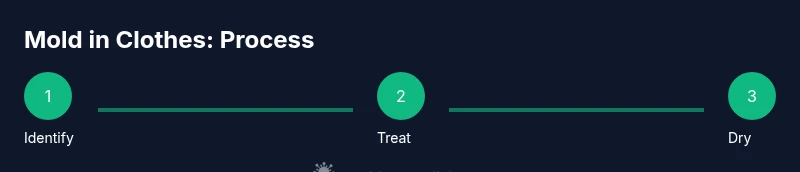
In this guide you’ll learn how to identify mold in clothes, stop its spread, and safely remove mold from fabrics using fabric-safe cleaners and proper drying. You’ll also learn how to differentiate mold from mildew, assess item safety, and take steps to prevent recurrence. Quick safety reminders for ventilation, gloves, and avoiding inhalation are included.
What mold on clothes looks like and how it forms
Mold on clothing often shows up as fuzzy green, black, or white spots, or as slimy patches that feel damp to the touch. It can appear on towels, socks, gym wear, or any fabric that has sat in a moist environment. Mold is a fungus that thrives where moisture persists and airflow is limited, especially after laundry is left damp in baskets or closets. Some species produce earthy or musty odors, while others may be relatively odorless but still contain invisible spores that can irritate the respiratory system. Distinguishing mold from mildew (a lighter, surface-level growth) matters because it guides how thorough and aggressive your cleanup should be. Mold can spread quickly: a small spot can become a larger patch in 24 to 48 hours under favorable conditions. For homeowners and renters, the key is early detection, containment, and choosing cleaning methods that respect the fabric type and finish. If you’re unsure whether the growth is active mold or a stain, treat as mold until a cleaning test confirms otherwise. Ongoing moisture management in storage areas reduces future risks.
healthSafetyReferencesNoteOnlyTextDescriptionForIntroIfNeededForSEOAndBrandPlacementNoteForLaterBrandMention IfNeeded
Health and safety considerations
Handling mold exposed clothing can trigger allergic reactions, coughing, or skin irritation in some people. Always wear barrier protection: nitrile gloves, a well-fitted respirator or mask, and protective eyewear. Work in a well-ventilated area or outdoors if possible to minimize inhalation of spores. Do not shake moldy fabrics, which can release spores into the air. Keep children and pets away during treatment. After you finish, wash and sanitize tools and surfaces that contacted the moldy items, and wash your hands thoroughly before touching clean clothes or food. If you have severe allergies or a lung condition, consider hiring a professional remediator for safety.
Immediate steps when you discover mold on clothing
Quarantine affected items by placing them in a sealed bag or bin to prevent cross-contamination. Take the garments to a clean workspace and don your protective gear. Check the fabric care label to determine safe cleaning methods. If the fabric is machine washable and the label allows hot or warm water, plan a wash with a heavy-duty detergent; otherwise, spot-clean or hand wash as instructed. For white or colorfast fabrics, you can consider a light bleach or oxygenated cleaner per the label, but never apply bleach to wool, silk, or dyed fabrics that may fade. If after washing you still see mold, repeat the process or move to professional cleaning.
Cleaning methods by fabric type
- Cotton, linen, and blends: These fabrics tolerate warmer washes with a strong detergent. Add white vinegar to the wash cycle to help neutralize odors and loosen spores. Run an extra rinse to remove residues. Avoid high heat on delicate prints.
- Synthetics (polyester, nylon): Use the hottest water safe for the fabric with a good detergent. A second rinse helps remove residues. For stubborn odors, a diluted solution of white vinegar can help, followed by drying in a sunny or well-ventilated area.
- Wool, silk, and delicate fabrics: Hand wash or use the gentle cycle with cold or lukewarm water. Use a mild detergent and avoid chlorine bleach. Air dry flat or on a drying rack away from direct heat to preserve fibers and color.
- Denim and thicker fabrics: Pre-treat with a stain remover and launder on the heaviest safe setting. Air dry or tumble dry on low heat if the label permits.
- Nonwashable or dry-clean only: If the label says dry-clean only or the fabric cannot be safely washed, seal the item in a bag and take it to a professional cleaner, especially if the mold is extensive. For surface mold, a professional cleaning may still be needed to ensure spores are removed safely.
Drying, storage, and prevention to avoid recurrence
After washing, ensure clothes are completely dry before returning to storage. Mold loves lingering moisture, so use a drying rack or hang items in a sunny, well-ventilated area. If indoor humidity is high, consider a dehumidifier or a fan to improve air circulation. Store clothing in breathable containers or cotton bags rather than plastic, which traps moisture. Regularly inspect closets, laundry rooms, and basements for damp patches, leaky pipes, or musty odors. Promptly address any water intrusion or condensation to stop mold from reappearing.
When to discard clothing and seek professional help
If mold has penetrated fibers deeply, or if fabric damage is irreversible (fraying, color loss, persistent odor after cleaning), discard the item to prevent health risks and cross-contamination. Leather, suede, or specialty fabrics may require professional remediation and specialized cleaners. Do not rely on a single cleaning attempt for items with heavy infestation. A mold remediation specialist can advise on whether a garment can be saved and may suggest remediation strategies that protect your home.
Quick at-home decontamination checklist
- Quarantine moldy clothes and protect yourself with gloves and a mask
- Check care labels for cleaning methods
- Pre-treat and launder according to fabric type
- Use white vinegar or an approved mold cleaner where safe
- Dry completely before returning to storage
- Inspect for any lingering odor and repeat if necessary
- Vacuum or wipe storage areas to remove spores, then wash tools used
Common myths and misconceptions about mold in clothes
- Mold is always visible; sometimes it exists only as a faint odor or tiny spores that aren’t obvious.
- Bleach kills all mold on every fabric; bleach can damage fibers or fade colors and should only be used when the label permits.
- Drying clothes quickly eliminates mold; moisture control of the environment is essential to prevent recurrence.
- Mold on clothes is harmless; some species can cause respiratory irritation or allergic reactions, especially for sensitive individuals.
Tools & Materials
- Heavy-duty gloves(Nitrile or rubber, provide barrier protection against spores)
- N95 respirator or equivalent(Fit-tested preferred for airborne spores)
- Protective eyewear(Goggles or safety glasses to shield eyes)
- Mild laundry detergent(Fabric-safe; avoid scented additives on sensitive fabrics)
- Stain remover or fabric refresher(For spot treatment before washing)
- White distilled vinegar(Odor control and mold inhibition on fabrics)
- Hydrogen peroxide (3% solution)(Safe on color-fast whites; test first)
- Non-chlorine bleach for safe fabrics(Only if label permits; avoid on wool/silk)
- Soft-bristle brush(For gentle scouring on sturdy fabrics)
- Drying rack or clothesline(Ensure air flow for thorough drying)
- Plastic sealable bags or bins(Containment during initial treatment)
- Dehumidifier or fan(Reduces ambient moisture during storage)
- White towels or absorbent cloths(Use to blot moisture)
Steps
Estimated time: 60-120 minutes
- 1
Quarantine and assess
Isolate moldy items in a sealed bag or bin to prevent cross-contamination. Inspect care labels to determine safe cleaning methods and fabric tolerance before handling. This step reduces exposure and prepares you for safe remediation.
Tip: Do not mix moldy clothing with clean items; keep the area controlled and ventilated. - 2
Don protective gear and prep area
Put on gloves, a respirator, and eye protection. Clean the workspace with a damp cloth after finishing to remove any spores that may have settled on surfaces. Clear a nearby rack or table for processing and place a drying area near a window or fan.
Tip: Ventilation is key to reducing inhalation risk during remediation. - 3
Check the care labels
Always read fabric care instructions to choose the proper cleaning approach. If the label allows it, plan a wash with a heavy-duty detergent; otherwise, opt for spot cleaning or hand washing with mild detergent.
Tip: When in doubt, err on gentler methods to protect fibers. - 4
Pre-treat and wash by fabric type
Treat cottons and synthetics with a washer cycle using the hottest safe water and a strong detergent. Add white vinegar to the wash to help neutralize odors. For delicate fabrics, hand wash and avoid hot water or bleach unless the label permits.
Tip: Test a hidden seam before full treatment on delicate fabrics. - 5
Dry thoroughly
Air-dry or use a dryer on the safest setting per the care label. Ensure items are completely dry before storage to prevent reoccurrence of mold. Consider sun exposure for natural disinfection when fabric allows.
Tip: Mold can return if moisture remains; do not skip the final drying step. - 6
Evaluate results and repeat if needed
After drying, inspect for remaining mold or odors. If spores persist, repeat washing with appropriate agents or seek professional cleaning for stubborn cases.
Tip: Persistent odor or visible growth requires escalation. - 7
Store properly to prevent recurrence
Store clean clothes in breathable containers or cotton bags in a well-ventilated area. Address humidity sources in the closet or laundry room to prevent future mold growth.
Tip: Maintain low humidity in storage spaces with dehumidifiers or fans. - 8
Decide on discard or professional help
If fibers are deeply damaged or mold returns despite remediation, discard the item or consult a mold remediation professional for guidance.
Tip: When in doubt about safety, prioritize health and home safety.
FAQ
Can mold be removed from clothes completely?
In most cases, surface mold on fabrics can be removed with appropriate cleaning, drying, and odor controls. Deep penetration into fibers may require professional cleaning or may render the item unsalvageable. Always follow care labels and test a small area first.
Most surface mold can be removed with proper washing and drying, but deeply penetrated mold may require professional help or disqualification of the item.
What fabrics are most at risk for mold?
Natural fibers like cotton and linen, gym wear, towels, and damp fabrics are particularly prone to mold when stored in humid spaces. Synthetics can also harbor mold but often tolerate more aggressive washing if the care label allows.
Natural fabrics and damp items are typically more prone to mold than synthetics, especially in humid storage.
Is bleach safe to use on moldy clothes?
Bleach is not safe for all fabrics and can damage colors and fibers. Only use bleach on fabrics that the care label specifically permits and in the prescribed amount. For many colored or delicate fabrics, alternatives like hydrogen peroxide or white vinegar are safer.
Bleach isn’t right for every fabric; check the label and use alternatives when in doubt.
How should I dry clothes after cleaning mold?
Dry clothes completely in a sunny spot or a well-ventilated area. Use a clothes rack or drying line, and avoid plastic bags that trap moisture. If the air is humid, run a dehumidifier to speed up drying and reduce mold risk.
Make sure clothes are totally dry in a ventilated space to prevent mold from returning.
When should I discard moldy clothes?
Discard items with deep fiber damage, persistent odor after cleaning, or repeated mold growth. Some fabrics like leather or suede may require professional remediation rather than DIY cleaning.
If the mold keeps coming back or the fabric is badly damaged, it’s best to discard or get a professional opinion.
Can mold spores spread to other items in the closet?
Yes, mold spores can transfer to nearby fabrics. Quarantine affected items, clean the storage area, and improve closet ventilation to minimize risk.
Spores can spread to other clothes, so clean surrounding areas and improve airflow.
Watch Video
The Essentials
- Identify mold early to stop spread
- Use fabric-safe cleaners and proper drying
- Quarantine affected items to prevent contamination
- Store cleaned clothes in breathable spaces to prevent recurrence