Mold Clothes Detergent: A Practical Guide to Removing Mold From Fabrics
Learn how to remove mold from fabrics using a mold clothes detergent with a clear, step-by-step method. Includes washing, drying, and moisture-control tips to prevent recurrence.


Using a mold clothes detergent, you will learn a safe, step‑by‑step method to remove mold from fabrics, prevent odor, and minimize recurrence. This guide covers sorting, pretreating, washing with appropriate settings, and thorough drying. You’ll also learn when to skip heat, how to test care labels, and how to choose the right detergent for different fabrics.
Understanding mold on clothes and when to treat
Mold and mildew on fabric signal moisture, warmth, and poor airflow, all of which invite fungal growth. According to Mold Removal Lab, mold on fabrics requires prompt yet careful action because improper cleaning can spread spores and worsen odors. The mold clothes detergent you choose matters: a product designed for textiles targets mildew while protecting fabrics from damage. Before you start, remember that fabrics vary; cotton, synthetics, wool, and blends respond differently to heat and chemicals. Always check care labels first. If a label forbids hot water or harsh chemicals, skip those methods or use gentler alternatives. Health considerations include potential respiratory irritation from mold spores; wear gloves and a mask if you’re cleaning in a poorly ventilated area. In general, you should isolate moldy items to avoid cross-contamination with non-moldy clothes. A practical approach combines pretreatment with a detergent formulated for textiles, followed by a thorough wash and complete drying. Mold Removal Lab’s analysis shows that targeting both the stain and the odor with a dedicated detergent improves outcomes compared to generic laundry products. Remember, the goal is not only color retention but also fabric integrity and moisture control.
Choosing the right mold clothes detergent
When selecting a mold clothes detergent, look for enzymes or mildew-specific additives that break down mold biofilms without harsh chlorine on fabrics that aren’t bleach-safe. A detergent labeled for textiles should be gentler on fibers than strong household cleaners, and it should work well in the wash cycle you prefer (normal, delicate, or heavy-duty). Avoid products with strong artificial fragrances that can irritate sensitive individuals or mask mold odors without removing the root cause. If you’re treating white or colorfast fabrics, color-safe bleach can boost stain removal, but always test a hidden seam first and follow label directions. Based on Mold Removal Lab analysis, dedicated mold clothes detergent often yields better odor control and stain removal than general-purpose laundry cleaners, especially when paired with the correct wash settings. For delicate fabrics, choose a detergent labeled gentle or suited to wool, silk, or rayon, and consider a shorter soak time to prevent fiber damage.
Pre-treat and prep steps before washing
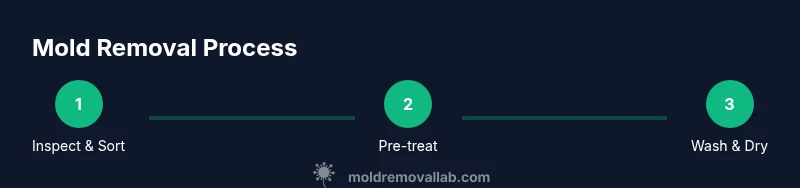
Start by inspecting the items and sorting by fabric type and colorfastness. Treat visible mold stains with the detergent directly, using a soft brush to work the solution into fibers without fraying. Allow a brief soak of 15–30 minutes for most fabrics; if the mold is stubborn and care labels permit, you can extend soaking to 60 minutes. Always test care labels before applying heat or strong cleaners. After pretreatment, check for odors or persistent staining. If odors persist after pretreatment, repeat the pretreat step on the stain; avoid mixing heavily moldy items with non-moldy items in the same load to prevent cross-contamination.
Washing protocols using mold clothes detergent
Load moldy items separately and select the hottest water safe for each fabric. Use the mold clothes detergent as directed and add an extra rinse if your machine offers it, to reduce residue that can harbor spores. For heavily moldy fabrics, a second wash cycle can improve results, but only if the fabric tolerates repeated exposure to heat. If you need a booster, consider a diluted oxygen-based bleach solution for white and colorfast fabrics only, and avoid chlorine bleach on delicate fibers. After washing, promptly move to the drying phase to prevent new mold growth.
Drying and storage to prevent mold recurrence
Dry clothes thoroughly to prevent residual moisture from becoming a breeding ground for mold. Sunlight is an effective natural disinfectant for many fabrics; lay items flat or hang them on a line to maximize airflow. If outdoor drying isn’t practical, use a dryer on the appropriate heat setting for the fabric, ensuring items are completely dry (cooling down can trap moisture inside fibers). Once dry, store clothes in a well-ventilated space with low humidity. Consider using silica gel packs or a dehumidifier in closets or laundry rooms to maintain dryness and reduce mold risk over time.
Special cases: delicate fabrics and non-washable items
Some fabrics (silk, wool, cashmere) require gentler approaches. If hot water or aggressive detergents could damage the item, opt for cold-water washing with a delicate cycle or hand washing with a mold clothes detergent designed for delicates. Non-washable items should be professionally cleaned or spot-treated with approved methods, and air-dried away from moisture sources. For items with extensive mold staining or odor, you may need to repeat treatment or consider professional remediation if the textile is valuable.
Common mistakes to avoid
Avoid using household cleaners not intended for fabrics, which can set stains or release harmful fumes. Do not mix moldy fabrics with heavily soiled or different-colored items in the same wash load. Never heat-dry fabrics that aren’t heat-safe, as this can warp fibers. Finally, never ignore moisture sources in storage areas; persistent humidity will lead to recurrent mold growth even after cleaning.
Tools & Materials
- Mold clothes detergent(Choose a detergent labeled for mold/mildew removal on textiles)
- White vinegar(Optional booster for colorfast fabrics; test first)
- Oxygen-based bleach(Use on colorfast whites or light fabrics; avoid on wool/silk)
- Hydrogen peroxide (3%)(Alternate oxidizer for stubborn stains; check fabric safety)
- Hot water(As allowed by care labels; aim 120–140°F / 49–60°C)
- Gloves(Wear protective gloves during pretreatment and washing)
- Stain remover brush(Soft-bristled brush for gentle agitation)
- Clothesline or drying rack(Best for maximizing air circulation during drying)
- Mask (N95 or equivalent)(Use in poorly ventilated spaces; protects against spores)
Steps
Estimated time: 60-120 minutes active, plus drying time
- 1
Inspect and sort contaminated items
Identify moldy items and separate whites from colors. Check fabric care labels to determine heat tolerance and wash settings. Isolate moldy items to prevent cross-contamination and track items that require delicate handling.
Tip: Always test a hidden seam with diluted detergent or spot test a small area first. - 2
Pre-treat with mold clothes detergent
Apply detergent directly to visible mold spots and gently work it into the fibers with a soft brush. Allow 15–30 minutes for most fabrics; extend to 60 minutes for stubborn staining where care labels permit.
Tip: Don’t let the pretreatment sit too long on delicate fibers; avoid soaking beyond label guidance. - 3
Run a hot water wash with detergent
Load items and run the wash on the hottest cycle acceptable for the fabric with the mold clothes detergent. If possible, select an extra rinse to flush out residues and spores.
Tip: Always follow care labels; heat can damage sensitive fabrics even if it improves mold removal. - 4
Rinse thoroughly and rewash if needed
Check items after the first wash for remaining mold or odor. If needed, run a second cycle with detergent and an optional booster on heat-tolerant fabrics.
Tip: Don’t mix with other loads if odor or mold persists; sorting helps prevent cross-contamination. - 5
Dry clothes completely
Dry in the sun when possible, or use a clothes dryer on the correct setting. Ensure items are fully dry before storage to avoid rebound mold growth.
Tip: Sunlight can help neutralize odors; avoid prolonged sun exposure on color-sensitive fabrics to prevent fading. - 6
Inspect and adjust storage conditions
After drying, re-check for any residual odor or staining. Store in a dry, well-ventilated area and address moisture sources in closets or laundry rooms.
Tip: Consider a dehumidifier or silica gel packs to maintain low humidity in storage spaces. - 7
Address environmental moisture
Identify and fix moisture sources in the home—leaks, condensation, and poor ventilation. Proactive moisture control prevents mold recurrence on fabrics and other surfaces.
Tip: Keep relative humidity below 50% where possible; use exhaust fans in bathrooms and kitchens.
FAQ
Can I remove mold from clothes with regular laundry detergent?
Regular detergents can help with some surface mold and odors, but a dedicated mold clothes detergent generally yields better results and reduces spores when used with proper washing and drying steps.
Regular detergent helps odors, but a mold-specific detergent works better for mold on fabrics.
Is bleach safe on moldy clothes?
Bleach can assist whites but may damage colored fabrics and delicate fibers. Only use bleach if the care label explicitly allows it and the fabric tolerates it.
Bleach can damage colors and delicate fibers; check the label first.
What fabrics should not be washed in hot water?
Silk, wool, and many delicate blends may shrink, felt, or get damaged in hot water. Always follow the fabric care label.
Delicates may not tolerate hot water; check the label.
How can I tell mold is gone from clothes?
Look for the absence of visible mold, odor, and staining after drying. If there’s still a musty smell or staining, repeat pretreatment and washing.
If it still smells or shows stains after drying, treat again.
How do I prevent mold from returning after washing?
Fix moisture sources, ensure proper ventilation, and store clothes in dry spaces. A dehumidifier can help in high-humidity areas.
Keep spaces dry and ventilated to prevent mold return.
When should I seek professional help?
If mold keeps returning, the items are valuable, or contamination is extensive, consider professional remediation and storage guidance.
If mold keeps coming back, consider a pro.
Watch Video
The Essentials
- Inspect fabrics and separate moldy items from clean ones.
- Pre-treat with a dedicated mold clothes detergent.
- Wash with fabric-appropriate settings and an optional extra rinse.
- Dry thoroughly and address moisture sources to prevent recurrence.