Using Baking Soda and Vinegar for Mold: A Practical Guide
Learn safe, practical steps for mold cleanup using baking soda and vinegar. This Mold Removal Lab guide covers surface cleaning, safety, and when to seek professional help for more complex mold issues.


This guide teaches how to use baking soda and vinegar to address light mold on non-porous surfaces, plus safety limits and when DIY cleanup ends. You’ll learn prep, application, drying, and how to recognize conditions that require professional remediation. A strong moisture-control plan is essential to prevent mold from returning.
Understanding the mold cleaning with baking soda and vinegar
The phrase mold baking soda vinegar captures two classic DIY tools homeowners reach for when they spot mold. On non-porous surfaces such as glass, tile, sealed metal, and many plastics, a straightforward regimen using plain white vinegar and a baking soda boost can reduce surface mold and deodorize the area. Vinegar’s mild acidity helps disrupt surface growth, while baking soda acts as a gentle abrasive and odor absorber. This combination works best on clean, dry surfaces and when the mold growth is recent or shallow. However, it has limitations. Porous materials like drywall, wood, fabric, and insulation can harbor hidden colonies behind the surface, where these agents struggle to reach. In those cases, the Mold Removal Lab team recommends moisture control as the foundation of remediation, followed by professional assessment if the mold persists or reappears after cleaning. Remember: never mix vinegar with bleach, and always ventilate the area to avoid inhaling mold spores during cleanup. Note that this approach is about surface cleaning and odor reduction, not full remediation in complex spaces.
When DIY with baking soda and vinegar is appropriate
DIY cleaning with mold baking soda vinegar makes sense for small, clearly defined patches of mold (less than a few square feet) on non-porous surfaces after a moisture event. If the affected area is dry, accessible, and supported by a stable substrate, you can attempt a careful cleanup. Use the approach as a preventive repair after a spill or leak, to freshen sealed surfaces, or to knock down surface mold quickly while you arrange longer-term moisture management. Do not use this method if the mold covers a porous material (like untreated wood, drywall, or fabric), if you see a musty odor indicating hidden growth, or if you have health concerns or sensitive individuals in the home. In those cases, contact a mold remediation professional and consider additional testing if needed. For homeowners in 2026, this approach aligns with moisture control strategies and is often a first step in a broader remediation plan.
Safety, preparation, and setting expectations
Before you begin, put on PPE: gloves, an N95 mask (or equivalent), and eye protection. Ventilate the area by opening windows or using a fan pointing outside. Gather your supplies: undiluted white vinegar in a spray bottle, baking soda, microfiber cloths, a soft brush, a bucket, and clean water. Work on a small area at a time, and keep children and pets away during cleanup. After you finish, inspect for moisture sources and plan to fix leaks, humidity, or ventilation issues that allowed mold to form in the first place. The goal is to remove the surface mold and reduce moisture, not to claim a full remediation on complex surfaces. If you have respiratory or allergy concerns, limit exposure during the process and wash contaminated fabrics separately afterward.
Practical workflow for non-porous surfaces (overview)
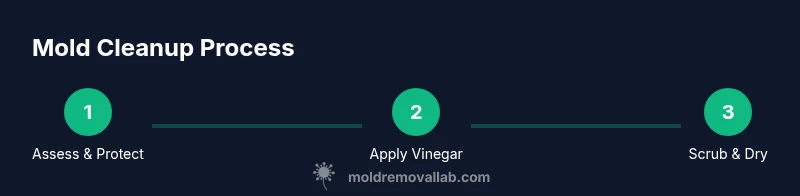
The non-porous workflow starts with prep, then cleaning, then drying and verification. Begin by applying undiluted vinegar directly to the moldy area and letting it sit for several minutes to penetrate the surface. Next, sprinkle a thin layer of baking soda and scrub with a soft-bristle brush to lift any remaining residue. Wipe clean with a microfiber cloth dampened in clean water, then dry the area completely with towels or a fan. Finally, re-inspect after drying to confirm the mold is gone and the moisture balance remains stable. This sequence minimizes residual moisture and helps prevent future growth. If you find ongoing moisture, revisit moisture sources and consider longer-term controls like dehumidification and improved ventilation.
Surface-specific guidance and limitations
Different materials respond differently to baking soda and vinegar. Glass, metal, and sealed stone generally tolerate this duo well and can be cleaned using the described approach. Ceramic tile and grout respond adequately when cleaning is thorough, but grout channels can trap mold if not treated and dried. Wooden surfaces, particleboard, drywall, and fabrics are porous and can harbor hidden mold behind the surface; in these cases, DIY treatment may provide only temporary relief and could spread spores if not done carefully. Porous materials may require removal and replacement to fully eradicate mold growth. In all cases, ensure the surface is completely dry before reoccupying the space, and address root moisture issues such as leaks, condensation, or high humidity. If the mold smell persists, seek professional assessment to evaluate hidden growth and structural integrity.
Prevention and long-term moisture management
Moisture control is the key to mold prevention. After cleaning, monitor humidity levels in the room and use dehumidifiers or ventilation fans to keep humidity under 60 percent, especially in bathrooms, basements, and kitchens. Fix leaks promptly and improve insulation to reduce condensation. Regularly inspect problem areas—around windows, under sinks, behind appliances, and on walls—for signs of dampness. Consider implementing air purifiers or HEPA filtration in high-risk areas, and use mold-resistant paints where appropriate. The goal is a proactive plan that reduces moisture and blocks mold regrowth. If you see recurring growth after several cleaning attempts, increase the remediation scope, or bring in a licensed mold professional to assess structural integrity and safety.
Tools & Materials
- undiluted white vinegar (5-8% acidity) in spray bottle(Use a dedicated bottle; keep away from children)
- baking soda(Fine powder; keep dry to prevent clumping)
- microfiber cloths(For wiping and drying; use clean cloths)
- soft-bristle brush(Gentle scrubbing; avoid scratching delicate surfaces)
- gloves (rubber or nitrile)(Protect hands from mold and cleaners)
- N95 mask or respirator(Protect lungs from mold spores)
- eye protection(Goggles or safety glasses)
- bucket(For rinsing water, if needed)
- clean water(For rinsing; room temperature)
- towel or fan for drying(Completely dry area after cleaning)
Steps
Estimated time: 60-90 minutes
- 1
Assess, protect, and ventilate
Identify the mold-affected area and isolate the space to prevent spread. Put on PPE, open windows, and set a fan to vent air outside. This first step helps reduce exposure and keeps nearby areas clean.
Tip: Work in small patches to avoid recontaminating cleaned zones. - 2
Prepare PPE and supplies
Wear gloves, an N95 mask, and eye protection. Gather undiluted vinegar, baking soda, microfiber cloths, a soft brush, and water. Having everything ready minimizes trips through the work area and reduces exposure risk.
Tip: Test a tiny area first to confirm surfaces won’t be damaged. - 3
Apply vinegar and wait
Spray undiluted vinegar onto the visible mold and let it sit for 5–10 minutes. This helps disrupt surface growth before scrubbing. Do not rinse immediately; allow contacts time to work.
Tip: Do not mix vinegar with bleach; it releases hazardous gases. - 4
Prepare and apply baking soda paste
Mix baking soda with a small amount of water to form a paste. Apply to stubborn spots and let stand for 5–10 minutes to loosen mold residues before scrubbing.
Tip: Keep a damp cloth handy to wipe away paste without spreading spores. - 5
Scrub, then wipe and rinse
Gently scrub with a soft brush in circular motions. Wipe away residues with a microfiber cloth dampened with clean water. Repeat if necessary until the surface looks clean.
Tip: Avoid aggressive scrubbing that could damage delicate surfaces. - 6
Dry thoroughly and re-check
Dry the area completely using towels and, if possible, a fan. Re-inspect the spot to ensure no moisture pockets remain. If moisture is present, address the source before reoccupying.
Tip: Use a moisture meter on porous areas to confirm dryness. - 7
Address moisture sources
Fix leaks, improve ventilation, and manage humidity to prevent future mold. Consider dehumidification and sealing leaks around windows, sinks, and appliances.
Tip: Keep humidity below 60% in most living spaces. - 8
Know when to call a professional
If mold covers a large area, penetrates porous materials, or recurs after cleaning, seek a licensed mold remediation professional for a comprehensive evaluation.
Tip: Document the extent of growth with photos for professionals.
FAQ
Can baking soda and vinegar remove all mold?
They can remove surface mold on non-porous surfaces, but deeply embedded or porous mold often requires professional remediation and sometimes material removal.
They work for surface mold on non-porous surfaces, but deeper mold may need a professional assessment.
Should I mix vinegar with baking soda?
No. Mixing creates fizz and can reduce cleaning effectiveness; use each separately as described.
Don’t mix them; the fizz isn’t helpful here.
Is this safe on wood or drywall?
Wood and drywall are porous and can harbor hidden mold behind the surface. DIY with vinegar and baking soda may help on the surface but is often not sufficient for thorough remediation.
Porous materials like wood and drywall are trickier; you may need additional steps or a professional.
When should I call a professional?
If the mold covers a large area, recurs after cleaning, or you suspect hidden growth behind walls, seek a licensed remediation professional.
Call a pro if the mold is widespread or keeps coming back.
What should I do after cleaning to prevent recurrence?
Fix moisture sources, improve ventilation, and monitor humidity levels to prevent future growth. Regular inspections help catch problems early.
Fix moisture, ventilate, and monitor humidity to prevent regrowth.
Watch Video
The Essentials
- Assess surface type before cleaning.
- Use vinegar on non-porous surfaces and dry thoroughly.
- Do not mix cleaners; moisture control is essential.
- Call professionals for large, hidden, or recurring mold.