Mold and Mildew Cleaner: Safe, Effective Guidance for Homes
Learn how to choose, use, and maintain a mold and mildew cleaner safely. This step-by-step guide covers surface types, safety PPE, dwell times, and prevention strategies to keep your home healthy.


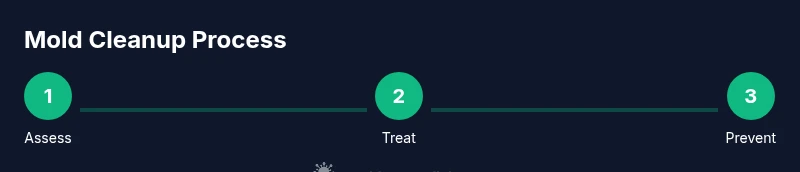
By using a mold and mildew cleaner to safely remove stains and kill growth, you’ll protect indoor air quality and reduce future cleaning work. This guide covers selecting the right cleaner, preparing the area, applying the product, scrubbing effectively, and preventing regrowth. You’ll learn safety gear, surface compatibility, and when to seek professional help.
What is a mold and mildew cleaner?
A mold and mildew cleaner is a cleaning product designed to remove visible growth and stains caused by mold and mildew. The Mold Removal Lab team notes that these cleaners combine surfactants to loosen grime with antimicrobial agents to reduce surface microbes. When choosing a product, look for active ingredients that match the surface you’re cleaning and are safe for indoor use. Always read the label and follow directions precisely, and never mix cleaners with ammonia, bleach, or other cleaners. This type of cleaner addresses surface contamination and odor and helps prevent spores from taking hold again, but it is not a substitute for fixing underlying moisture problems. For homeowners and renters, using a mold and mildew cleaner correctly reduces recurrence and makes subsequent cleaning easier.
Key active ingredients and how they work
Most household mold and mildew cleaners rely on a few core ingredients, each with a different job. Bleach- or peroxide-based products kill many mold spores on non-porous surfaces like tile and glazed enamel. Vinegar provides mild antimicrobial action and helps dissolve mineral deposits but may be less effective on porous materials. Surfactants lift dirt and grime so the cleaner can reach growth in cracks and crevices. Quaternary ammonium compounds are common in multi-surface cleaners and can remain active longer on some surfaces. When selecting a cleaner, consider the surface type (porous vs non-porous) and the level of contamination. Always patch test in an inconspicuous area and follow the product’s dwell time for best results. Remember, a cleaner reduces surface contamination; persistent or hidden mold may require professional remediation.
Safety first: PPE and ventilation
Using a mold and mildew cleaner safely protects your health and home. Put on chemical-resistant gloves, safety goggles, and a mask or respirator, especially in poorly ventilated spaces. Open windows or turn on a fan to move air and minimize inhalation of fumes. Keep children and pets away from the workspace. Do not mix products; combining cleaners can release toxic gases. If you experience dizziness, coughing, or eye irritation, stop and ventilate the area. PPE and ventilation aren’t optional; they are the first step to a safe and effective cleanup.
Surface compatibility and choosing the right cleaner
Different materials require different cleaners. Porous materials such as wood and drywall may absorb cleaners and moisture, which can complicate removal. Non-porous surfaces like tile, glass, and sealed metal respond well to common mold and mildew cleaners. For fabric and upholstery, consider a cleaner labeled safe for textiles and run a spot test first. Avoid strong bleach on wood finishes; consult product labels for surface guidelines. In challenging spaces like bathrooms or basements, you may need a dedicated cleaner formulated for damp conditions to prevent rapid regrowth.
Pre-cleaning prep: area setup and initial checks
Before you spray, prepare the area to prevent spreading spores. Remove loose items, washcloths, or towels nearby, and cover nearby surfaces with disposable plastic or old sheets. Vacuum with a HEPA vacuum if you have one, especially in carpeted sections adjacent to mold growth. Inspect for leaks or moisture sources that may feed regrowth; if a leak is present, address it first or note it for remediation. Label any contaminated materials for disposal; seal porous items in plastic bags before removing them from the space. By setting up properly, you reduce the chance of re-contamination.
Step-by-step cleaning process (high-level)
The following approach outlines how to use a mold and mildew cleaner effectively without over-wetting surfaces. First, test the cleaner on a hidden area to confirm compatibility. Then apply a generous amount to the affected zone and let it dwell for the recommended time. Next, scrub with an appropriate brush or cloth to lift the growth, working from edges toward the center. Wipe away residue with a clean, damp cloth and allow the surface to air-dry completely. If growth returns, re-clean or escalate to more robust remediation.
Stain removal and odor management: tips that work
Stubborn stains may require repeat cleaning or a second treatment. For odor control, wipe down surfaces with the cleaner and finish with a dry wipe or a breeze of air after drying. A secondary rinse may help on glossy surfaces, while porous materials may need more time to dry to prevent musty smells. Avoid leaving damp cloths or towels in the space, as moisture promotes regrowth. If odors persist, consider using a product with odor-neutralizing agents or running an air purifier during drying.
Preventing mold regrowth after cleaning
Mold growth returns when moisture stays present. Fix leaks, improve ventilation, and consider installing dehumidifiers in damp spaces. Regularly inspect bathrooms, basements, and closets for signs of dampness and address early. Keep surfaces dry after cleaning and wipe down with a dry cloth. Maintain clean, dry conditions to prevent regrowth, especially in humid climates. Document a simple maintenance schedule so you know when to re-clean or test for hidden moisture.
Common mistakes to avoid and troubleshooting
Common errors include using too much cleaner, which can leave residue and attract more dirt, or scrubbing too aggressively on wood surfaces. Never mix cleaners with bleach, ammonia, or other chemicals. Skipping a patch test can damage surfaces and produce unexpected results. If you don’t see improvement after 1-2 cleanings, consider whether moisture control or mold behind walls is involved and seek professional help.
Tools & Materials
- Mold and mildew cleaner(EPA-registered or reputable product; check surface compatibility)
- Spray bottle (16 oz)(For even application across affected areas)
- Microfiber cloths(At least 2; use clean cloths for each pass)
- Scrub brush (stiff-bristle)(For textured surfaces and grout lines)
- Gloves (nitrile or rubber)(Chemical-resistant PPE)
- Safety goggles(Eye protection during cleaning)
- Mask or respirator(Protect from fumes; use in poorly ventilated spaces)
- Bucket(Optional for rinsing or soaking cloths)
- Non-abrasive sponge(Gentle surfaces only)
- Ventilation setup (open window or fan)(Keep air moving to reduce fumes)
Steps
Estimated time: 30-60 minutes
- 1
Prepare PPE and workspace
Put on gloves, goggles, and a mask before starting. Ventilate the area by opening windows or using a fan. Remove nearby items and cover adjacent surfaces to prevent cross-contamination. This initial setup reduces exposure and helps focus the cleaning effort on the contaminated zone.
Tip: Ensure PPE fits properly and stays on throughout the process. - 2
Test cleaner on a hidden area
Apply a small amount of cleaner to a concealed spot to check for surface reaction or discoloration. Waiting a few minutes helps ensure there is no adverse effect before full application. This minimizes the risk of damage to delicate surfaces.
Tip: Patch testing saves you from larger mistakes later. - 3
Apply cleaner to affected area
Spray or dab the cleaner liberally onto the moldy surface, ensuring full contact with growth. Avoid saturating porous materials; excessive moisture can worsen penetration and damage. Allow the cleaner to dwell for the product’s recommended time.
Tip: Dwell time is crucial for effective microbial kill. - 4
Scrub to lift growth
Use a stiff-bristle brush or non-abrasive sponge to scrub the area in gentle circular motions, working from the outer edges toward the center. This helps break up colonies without damaging the substrate. Rinse occasionally if the area feels muddy to maintain visibility.
Tip: Avoid aggressive scrubbing on wood or painted surfaces. - 5
Rinse and wipe away residue
Wipe the area with a clean damp cloth or rinse with water as directed by the cleaner. Remove all residue to prevent future attracting more dirt and moisture. After rinsing, dry the surface as much as possible with clean towels.
Tip: Residue can shield remaining growth; thorough removal matters. - 6
Dry thoroughly and inspect
Allow the surface to air-dry completely; use a fan or dehumidifier if needed. Inspect for any remaining discoloration or odor. If growth persists, repeat cleaning or treat the area as a potential moisture source rather than a surface issue.
Tip: Persistent growth may indicate hidden moisture. - 7
Address moisture sources
Identify and fix leaks, condensation problems, or damp conditions that sustain mold. If the moisture source remains, cleaning alone will not prevent re-growth. Consider a moisture barrier or moisture-monitoring plan for long-term control.
Tip: Moisture control is the key to lasting results. - 8
Dispose of waste safely
Seal contaminated materials in plastic bags and discard according to local waste guidelines. Clean tools and store PPE properly to prevent cross-contamination. Clean workspace surfaces once more to ensure no spores remain.
Tip: Proper disposal minimizes re-contamination risk. - 9
Create a maintenance plan
Set a routine for regular inspections, cleaning, and humidity control. Document findings and actions so you can track progress and schedule follow-up cleaning if needed. A simple plan reduces surprises and supports a healthier home.
Tip: Regular checks prevent bigger issues later.
FAQ
What is the difference between mold and mildew?
Mold and mildew are fungi, but mold grows in colonies that can appear fuzzy or on surfaces, while mildew tends to be flat, powdery, and easier to wipe away. Both require moisture control and cleaning, but mold on porous materials often signals deeper moisture issues.
Mold forms fuzzy colonies and can penetrate surfaces; mildew is usually flat and easier to wipe away. Both need moisture control.
Can I use bleach to clean mold and mildew?
Bleach can kill mold on non-porous surfaces, but it may not reach into porous materials and can damage finishes or release fumes. Always follow label instructions and test first on an inconspicuous area.
Bleach can kill mold on hard, non-porous surfaces but isn’t ideal for porous materials.
Is professional remediation necessary for hidden mold behind walls?
Hidden mold behind walls or above ceilings may require professional remediation if growth is widespread or moisture is ongoing. DIY cleaning is sometimes suitable for small, contained areas, but structural issues often need expert evaluation.
Hidden mold is a job for professionals when it’s widespread.
How soon should I clean after a moisture incident?
Clean as soon as moisture is reduced and the area is accessible to prevent spores from taking hold. If moisture recurs, fix the source before attempting more cleaning.
Clean up as soon as the area dries to prevent regrowth.
What are signs that my cleaner isn’t working?
If stains persist, odors linger, or new growth appears after cleaning, re-assess moisture sources and consider a more robust approach or professional help. Re-cleaning often helps when moisture is controlled.
If you still see growth after cleaning, you likely need to address moisture or escalate.
Watch Video
The Essentials
- Identify moisture sources and fix leaks.
- Wear PPE and ventilate during cleaning.
- Test cleaners on hidden spots first and follow dwell times.
- Dry surfaces completely after cleaning.
- Address moisture control to prevent mold return.