Mildew Remover for Fabric: A Practical How-To Guide
A practical, step-by-step guide to safely remove mildew from fabrics including clothes, linens, and upholstery, with fabric-safe cleaners and prevention tips. Learn how to choose a mildew remover for fabric and keep textiles mildew-free.


Remove mildew from fabric by choosing fabric-safe cleaners, pre-treating spots, washing at the highest safe temperature, and thorough air-drying. Start with test patches, avoid mixing chlorine bleach with ammonia, and follow fabric care labels. This approach minimizes color loss and fabric damage while stopping mildew growth.
What mildew on fabric looks like and why it matters
Mildew on fabric often begins as subtle moisture build-up and may show up as fuzzy gray, green, or black spots, a musty odor, or stained patches. It thrives in damp conditions and can weaken fibers over time, leading to holes or color fading. For homeowners seeking a practical mildew remover for fabric, early detection matters. According to Mold Removal Lab, tackling mold threats early reduces repair needs and preserves fabric integrity. The Mold Removal Lab team found that using fabric-safe cleaners paired with proper drying yields the best balance between effectiveness and fiber preservation. Addressing mildew promptly also reduces indoor air quality concerns, since spores can disperse when textiles dry. In short, a careful, fabric-aware approach protects your wardrobe, linens, and upholstery from lasting damage.
In summary, mildew on fabric is not just a cosmetic problem—it signals moisture management issues that can affect comfort and health. A thoughtful remediation plan centers on safe products, patch testing, and thorough drying, with attention to fabric type and care labels. This guide is your practical route to a mildew remover for fabric that works without compromising fibers.
Fabric types and mildew vulnerability
Different fabrics react differently to cleaning agents and moisture. Natural fibers like cotton and linen absorb liquids quickly and can be more prone to staining and dye migration if treated with strong chemicals. Synthetics such as polyester and nylon generally tolerate a wider range of cleaners but may still suffer color fading or fibers weakening with repeated exposure. Delicate fabrics—silk, wool, rayon, or acetate—require gentler methods and often spot-treatment rather than full immersion. Always check the care label before applying any mildew remover for fabric, as some fabrics are not colorfast or not label-safe for certain solutions. For example, chlorine bleach can damage dyed textiles and delicate fibers, while hydrogen peroxide is safer on many white or colorfast items when used cautiously. By understanding fabric vulnerabilities, you can tailor your cleaning method and reduce risk of damage.
Safety first: PPE and precautions
Mildew remediation can involve strong cleaners and airborne spores. Wear gloves, a mask, and eye protection when handling cleaners and agitating fabrics. Work in a well-ventilated area to minimize inhalation of fumes and mold spores.Keep kids and pets away during treatment, and avoid mixing cleaners, especially bleach with ammonia or acids, which can generate hazardous gases. PPE helps prevent skin and eye irritation and contributes to a safer remediation process. If you’re cleaning upholstery or textiles that could shed fibers, place a protective barrier like a plastic sheet to catch debris.
Cleaning agents: Options for mildew on fabrics
Choosing the right cleaner depends on fabric type, colorfastness, and the mildew severity. Common options include:
- White vinegar diluted with water (1:1) for most cottons and synthetics. Vinegar is gentle enough for many fabrics and can help inhibit musty odors.
- Baking soda paste (baking soda with water) for light surface mildew.
- Hydrogen peroxide (3%) for white or colorfast fabrics; test first, as it can brighten or bleach dyes.
- Oxygen-based bleach (sodium percarbonate) for colorfast whites and brights; avoid on non-colorfast or wool/silk.
- Enzyme-based cleaners for organic stains and odor-associated mildew on washable fabrics.
Avoid mixing bleach with ammonia or vinegar in high concentrations, and never combine multiple cleaners without testing because of potentially dangerous reactions. Always start with a patch test on an inconspicuous seam to confirm fabric compatibility before full application. For stubborn mildew, consider a dedicated mildew remover for fabric that is labeled safe for the specific fiber.
Pre-testing fabrics to avoid damage
Before applying any cleaner broadly, perform a patch test on a hidden area, such as the inside hem or under a seam. Dampen a small, inconspicuous spot with your chosen cleaner and wait 5–10 minutes to observe colorfastness and fiber response. If there is no color change or fabric damage, you can proceed to treat the entire affected area. When testing, use the same method you plan to use for the main cleaning (e.g., diluting vinegar in water, applying a paste, or soaking in a solution). Keep notes on fabric type and any observed changes so you can tailor the process for future cleanings and prevent recurrent mildew.
Understanding fabric care labels and limitations
Care labels tell you how to wash, dry, and iron fabrics, and they often indicate what products are safe. Look for letters such as W (wash by machine), S (solvent cleaning only), or P (professional cleaning only), and symbols indicating heat settings and drying methods. Some fabrics explicitly warn against chlorine bleach or require dry cleaning. If a label warns against certain cleaners, avoid those agents and use fabricsafe alternatives. When you follow the label, you minimize the risk of shrinking, dye loss, or fabric damage, increasing the effectiveness of your mildew removal plan while maintaining textile integrity.
Step-by-step overview of the cleaning process
The following overview aligns with a typical mildew remediation workflow:
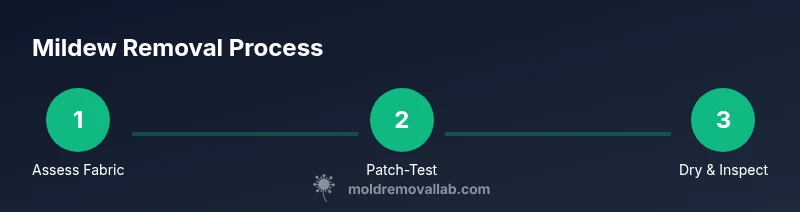
- Identify fabric type and test a small area first. This minimizes risk and helps you choose the right cleaner.
- Apply a fabric-safe pre-treatment to the mildewed spots and let it sit briefly to loosen the mildew.
- Wash using the hottest water allowed by the fabric label; add a cleaner that targets mildew and odors.
- Rinse thoroughly to remove residues, then air-dry or sun-dry if the fabric tolerates it.
- Inspect after drying; repeat treatment if necessary for stubborn spots, ensuring complete drying to prevent relapse.
For persistent cases, consider repeating steps with a different cleaner or using an enzyme-based mildew remover for fabrics that tolerate it, and always verify colorfastness before full immersion.
Drying, deodorizing, and storage to prevent relapse
Drying is critical. Mildew thrives in moisture, so ensure fabrics dry completely in a well-ventilated area or under sunlight when possible. Sunlight can help deodorize textiles and inhibit mold regrowth, but be cautious with colors that fade in direct sun. After drying, store textiles in a dry, cool place with good airflow to deter future mildew. If you’re storing fabrics for long periods, consider moisture absorbers or low-humidity storage environments. Regularly inspecting stored textiles and re-running a light cleaning cycle on high-use fabrics can prevent reappearance of mildew.
Handling stubborn mildew on tough fabrics
Some fabrics resist standard cleaning due to dye stability or fiber composition. For heavy mildew on upholstery, curtains, or wool blends, avoid aggressive scrubbing that can magnify damage. Instead, use color-safe, fabric-approved cleaners and gentle agitation, or opt for professional cleaning if the material is fragile or expensive. If mildew persists, repeat targeted spot treatments rather than full immersion and consider colorfast checks. In cases of mold on porous materials like foam padding or fabric blends that hold moisture, professional remediation may be the safer option to prevent structural damage and health risks.
Preventing future mildew on fabrics
Prevention hinges on moisture control, proper drying, and storage practices. Promptly address any water intrusion or humidity, improve ventilation in laundry areas, and use dehumidifiers in damp rooms. When possible, dry fabrics outdoors in bright sunlight. Regular vacuuming and cleaning of closets, drapes, and upholstery helps remove spores before they take hold. Consider routine use of a mildew-prevention additive in laundry for fabrics that are repeatedly exposed to moisture, and replace worn-out textiles that don’t drain or dry efficiently. By combining proactive maintenance with timely cleaning, you reduce mildew buildup and extend fabric life.
Common myths vs. facts
Myth: Bleach is safe on all fabrics. Fact: Bleach can damage some dyes and fibers; test first and use color-safe options when possible. Myth: Mildew is just a stain and will disappear after washing. Fact: Mildew often penetrates fibers; if not fully removed, it can reappear or leave odors. Myth: Vinegar alone can solve all mildew problems. Fact: Vinegar helps in mild cases and odor control, but persistent mildew may require stronger cleaners and mechanical removal. Myth: Once cleaned, fabrics never mildew again. Fact: If moisture sources aren’t addressed, mildew can recur. Fact-check each step and maintain dryness to prevent regrowth.
Quick-start recap and next steps
To get started, identify fabric types and check care labels, then choose a fabric-safe mildew remover for fabric. Patch-test first, apply a pre-treatment, wash per label instructions, and dry thoroughly. If mildew recurs, review moisture sources and storage conditions. By following these steps, you’ll maintain textile longevity and minimize mold-related health risks.
Tools & Materials
- White vinegar (5-8% acetic acid)(Dilute 1:1 with water for general use)
- Hydrogen peroxide (3%)(Test first on colorfast fabrics)
- Oxygen-based bleach (color-safe)(Avoid on wool, silk, or non-colorfast fabrics)
- Baking soda(For paste treatments or odor neutralization)
- Enzyme-based cleaner(Effective for organic mildew stains)
- Spray bottle(For even application of cleaners)
- Soft-bristled brush(Gentle scrubbing on stains)
- Gloves(Protect skin from cleaners)
- Mask/respirator(Optional, for dusty or strong-smelling environments)
- Old towels or rags(Protect surfaces and catch runoff)
- Laundry detergent(Regular detergent for washing after treatment)
- Access to sunlight or a dry, ventilated area(Critical for thorough drying)
- Bucket or basin(For soaking fabrics if needed)
Steps
Estimated time: 60-90 minutes
- 1
Identify fabric type and care label
Review the garment or textile label to determine fiber content and safe cleaning methods. This decision guides which cleaners are appropriate and whether the item can be soaked, bleached, or safely air-dried.
Tip: Check all care labels; treat each fabric type separately if multiple fabrics are involved. - 2
Test a hidden seam patch
Apply your chosen cleaner to a small hidden area and wait 5-10 minutes to observe any color change or fabric damage. If there is no adverse reaction, you can proceed with treatment on the whole item.
Tip: Use the same mixture and method you plan to apply to the main area. - 3
Pre-treat mildew spots
Dampen a cloth or spray bottle and apply cleaner to affected spots. Let it sit for 5-15 minutes to loosen mildew without saturating the fabric beyond its tolerance.
Tip: Avoid oversaturation on delicate fabrics. - 4
Soak or apply cleaner as needed
For fabrics that tolerate soaking, submerge in a diluted solution for 15-30 minutes. For spot cleaning, continue with localized application rather than full immersion.
Tip: Use the gentlest method that yields results. - 5
Wash according to label instructions
Wash on the hottest setting allowed by the fabric label, using an appropriate cleaner to target mildew and odors. For whites or colorfast fabrics, consider oxygen-based bleach; for colors, avoid chlorine bleach.
Tip: Run an extra rinse to ensure removal of residues. - 6
Rinse thoroughly
Ensure all cleaner residues are washed away to prevent skin irritation or dye damage during drying.
Tip: Rinse until water runs clear. - 7
Inspect after washing
Check for any remaining mildew spots. If visible, repeat the treatment with a different approach or cleaner; do not oversaturate again.
Tip: Persistent stains may need a second cycle. - 8
Dry completely
Air dry in a sunny, ventilated area when possible. If sun exposure could fade colors, use a dry, well-ventilated indoor space. Ensure fabrics are completely dry before storage to prevent recurrence.
Tip: Avoid leaving damp textiles in heaps or cramped spaces.
FAQ
Can mildew be completely removed from fabric, and what affects success?
Most mildew can be removed with the right cleaners and proper drying, but success depends on fabric type, age of mildew, and how deeply mildew has penetrated the fibers. Persistent cases may require repeat treatment or professional cleaning.
Most mildew can be removed with the right cleaners and thorough drying. If the mildew has penetrated the fibers deeply, you may need a repeat treatment or professional help.
Is it safe to use bleach on all fabrics?
Bleach can damage dyes and fibers, especially on colored fabrics. Use color-safe alternatives when possible and always test first. Chlorine bleach is generally avoided on delicate or non-colorfast textiles.
Bleach isn’t safe for all fabrics. Test first and opt for color-safe options when possible; avoid chlorine bleach on delicate textiles.
What should I do if mildew returns after washing?
If mildew recurs, re-evaluate moisture sources in the home, improve ventilation, and consider a second cleaning cycle with a different cleaner. Persistent issues may signal a larger moisture problem nearby.
If mildew comes back after washing, check moisture sources and ventilation, and try cleaning again with a different cleaner. If it keeps returning, you may have a larger moisture issue.
Can I use vinegar on all fabrics?
Vinegar is generally safe for many fabrics but should be patch-tested first. It can cause color fading on some dyes and should not be used on materials that are not colorfast or that are silk or wool where it could degrade fibers.
Vinegar works for many fabrics, but test first and avoid on delicate fibers like silk or wool.
How long should fabrics air dry to prevent mildew?
Air dry fabrics in a well-ventilated area until completely dry. Any remaining moisture can allow mildew to reform, so ensure no damp spots remain before storing.
Dry fabrics completely in a ventilated area before storing to stop mildew from returning.
When should I call a professional for mildew on fabric?
If mildew persists after multiple attempts, or if textiles are valuable, antique, or heavily porous (like foam and padding), professional remediation is advisable to prevent damage and health risks.
Call a professional if mildew won’t budge after several tries or when fabrics are valuable or porous.
Watch Video
The Essentials
- Test first, then treat with fabric-safe cleaners.
- Choose cleaners based on fabric type and care labels.
- Thorough drying is essential to prevent recurrence.
- Avoid mixing cleaners to prevent hazardous reactions.
- Address moisture sources to keep textiles mildew-free.