Mold Stain Remover for Clothes: A Practical Step-by-Step Guide
Learn practical, fabric-safe methods to remove mold stains from clothing, with step-by-step instructions, recommended cleaners, and prevention tips from Mold Removal Lab.


To safely restore fabrics stained by mold, according to Mold Removal Lab, use a mold stain remover for clothes, apply promptly, and launder with a gentle detergent. Start with a fabric-safe stain remover, then wash in cold water and air-dry away from heat. Always test on an inconspicuous seam and follow the garment care label for best results.
Why Mold Stains Persist on Fabrics
Mold stains cling to fibers because mold spores nest inside porous fabrics, especially those that stay damp. Natural fibers absorb moisture, while synthetic fibers trap dye molecules that can carry mold stains deeper into the fabric. The result is stubborn discoloration that can reappear after a regular wash if the stain has already bound to the fiber. Early intervention matters: the sooner you treat the stain after noticing it, the higher your chances of complete removal. In addition to aesthetics, mold on clothes can carry health concerns, especially for sensitive individuals. The Mold Removal Lab has found that timely, fabric-safe cleaning reduces surface spore load and minimizes the risk of recontamination. Always work in a well-ventilated area and wear gloves to protect your skin.
How Mold Stains Differ from Mildew
Mold and mildew are both fungi, but they differ in appearance, odor, and persistence on fabrics. Mildew often presents as white or gray powdery patches and tends to wash out more easily with regular detergents. Mold stains are usually darker, sometimes green or black, and can penetrate deeper into the fibers. This makes removal trickier and sometimes requires a targeted pre-treatment. Understanding the distinction helps you choose the right cleaner and exposure time. Mold Removal Lab analyses emphasize starting with a fabric-safe approach and avoiding aggressive bleaching on delicate textiles, which can worsen damage if misapplied.
Safe Cleaners for Clothes
Safest results come from cleaners designed for fabrics, followed by careful laundering. A mold stain remover for clothes is your first line of defense, specifically formulated to break the bond between mold spores and textile fibers without compromising fabric integrity. For color-safe fabrics, 3% hydrogen peroxide can be an effective oxidizing agent when used sparingly and tested on a hidden area first. White vinegar, in modest amounts, can act as a mild disinfectant and help loosen staining when used before washing. Baking soda creates a gentle paste that helps lift residues when combined with water. Oxygen-based bleaches can work on white or non-colorfast fabrics, but always perform a patch test. According to Mold Removal Lab Analysis, combining a fabric-safe stain remover with cold-water washing yields reliable outcomes and reduces color loss in many common textiles.
Fabric Testing and Preparation
Before treating any mold stain remover for clothes, identify the fabric type from the garment’s care label. Cotton, linen, and many polyesters tolerate water-based treatments well, while wool, silk, and rayon demand gentler methods. Test a small, inconspicuous area first to check for colorfastness and texture changes. If color or texture shifts occur, stop and switch to a milder approach, or consider professional cleaning for delicate materials. Clear the workspace, wear gloves, and ensure adequate ventilation to minimize inhalation of spores during the cleaning process.
Step-by-Step: Pre-Treatment
Begin with a careful inspection of the stain and fabric. Patch-test the chosen cleaner on a hidden seam to confirm it won’t cause color loss. If the stain appears set, apply the mold stain remover for clothes evenly and allow it to sit according to product directions. Do not rub aggressively; let the formula work to loosen the spores. Tip: Work from the outside edge of the stain toward the center to prevent spreading. Total waiting time for pre-treatment is typically 5 to 10 minutes, depending on the product label.
Step-by-Step: Washing and Rinsing
Rinse the treated area with cold water from the back of the stain to push out loosened material. Then launder the garment in cold water using a gentle detergent, on a normal cycle but with a small load to avoid strain. If the stain remains after washing, repeat the pre-treatment and wash steps rather than drying the item. Do not use hot water on mold stains until you confirm the stain is fully removed. Tip: Avoid fabric softeners during the wash as they can leave residues that trap moisture.
Step-by-Step: Drying and Post-Treatment
Air-dry the garment away from direct heat or sunlight to prevent heat setting any residual stain. Inspect the fabric while it’s still damp; if the stain persists, repeat the treatment steps. For stubborn residues, a gentle baking soda paste can be applied to the damp area, left for a few minutes, then rinsed and washed again. Ensure the fabric is completely dry before storage to prevent reformation of mold spores. Tip: Sun exposure can help lighten certain stains on colorfast fabrics, but monitor for color fading. Avoid tumble drying unless you are certain the stain is fully removed.
Fabric-Specific Tips and Tricks
Cotton and blends respond well to mold stain remover for clothes, but delicate fabrics like silk and wool require a lighter touch. For silks and wools, consider a product designed specifically for delicate fibers and avoid hydrogen peroxide that can lighten color. Synthetics like polyester are generally tolerant of mild oxidizers but test first. Always follow the garment’s care label and use the gentlest effective method. If you have multiple stained items, treat them in batches to minimize cross-contamination.
Stain Types and Troubleshooting
Mold stains vary in appearance. If a stain remains after washing, it may be due to deep fiber penetration, poor sensor timing, or heat exposure that set the stain. For persistent marks, repeat the pre-treatment and washing cycle, then verify dryness before storage. If mold growth reappears after storage, reassess closet moisture, airflow, and humidity levels. When in doubt, seek professional cleaning for high-value or fragile garments.
Preventing Mold Stains on Clothes in the Future
Prevention starts with moisture control. Keep laundry rooms dry, use dehumidifiers, and promptly dry damp garments. Store clean clothes in breathable containers or on open shelves to improve air circulation. After outdoor activities or gym use, wash clothes promptly to minimize mold growth opportunities. Regularly inspect closets, basements, or laundry areas for dampness and address leaks or condensation. By maintaining a dry environment and following proper washing practices, you can reduce the likelihood of mold stains returning to clothes.
Tools & Materials
- Mold stain remover for clothes(Choose a fabric-safe formula; read label for application guidance.)
- White vinegar (5% acidity)(Use sparingly as a pretreatment or freshen spray.)
- Hydrogen peroxide 3%(Test on colorfast fabrics first; avoid wool/silk.)
- Baking soda(Useful for paste on stubborn residues.)
- Liquid laundry detergent(Choose a gentle formula suitable for fabrics.)
- Cold water(Preferred for initial wash to prevent setting.)
- Soft-bristled brush(Gentle agitation for stubborn spots.)
- Clean white cloth(For blotting and applying cleaners.)
- Gloves(Protect skin from cleaners and spores.)
- Spray bottle(Even application of cleaners and water.)
- Measuring cup/spoons(Useful for precise cleaner amounts.)
Steps
Estimated time: 60-90 minutes
- 1
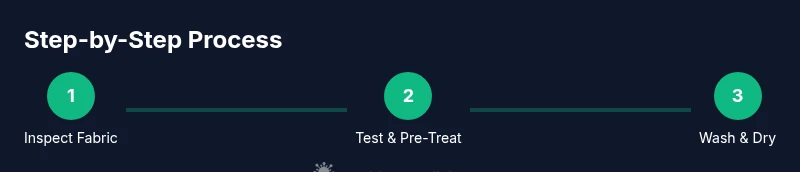
Inspect Fabric and Stains
Check the garment care label to identify fabric type and washing limits. Examine the stain to determine whether it’s mold or mildew and whether it’s fresh or set. This helps you choose the safest, most effective approach.
Tip: Always start with the care label and a patch test on a hidden area. - 2
Test for Colorfastness
Apply a small amount of cleaner on an inconspicuous seam and wait 5–10 minutes. If there is any color transfer or fabric damage, stop and switch to a gentler method or seek professional cleaning for delicate fabrics.
Tip: Patch testing prevents color loss on valuable garments. - 3
Apply Mold Stain Remover for Clothes
Saturate the stain with the mold stain remover for clothes according to the product directions. Let it sit for the recommended contact time, usually a few minutes, to loosen spores.
Tip: Don’t rub aggressively; let the formula work into the fibers. - 4
Use Hydrogen Peroxide on Color-Safe Fabrics
If the fabric is color-safe, apply 3% hydrogen peroxide to the stained area and wait 5–10 minutes before blotting and rinsing.
Tip: Avoid wool and silk; test first on a hidden area. - 5
Rinse with Cold Water
Rinse the treated area from the back of the stain to push out loosened material and cleaner residues.
Tip: Flowing water is better than a quick splash. - 6
Wash with Detergent in Cold Water
Run a gentle cycle with a suitable detergent, ensuring the load isn’t overcrowded so the fabric can move freely and cleaners can reach all fibers.
Tip: Avoid high heat that can set remaining stains. - 7
Check Before Drying
Inspect the garment to confirm the stain is gone. If the stain persists, repeat the pre-treatment and washing steps rather than drying.
Tip: Never dry a partially cleaned mold stain. - 8
Dry Properly
Air-dry the item away from direct heat or sunlight to prevent heat setting of any remaining residues.
Tip: Sunlight can help lighten some stains but may fade colors. - 9
Optional Post-Treatment for Stubborn Residues
For stubborn residues, apply a baking soda paste to damp stain areas, gently agitate, rinse, and wash again.
Tip: Avoid aggressive scrubbing that can damage fibers. - 10
Store and Prevent Future Mold
Ensure items are fully dry before storage and keep closets well-ventilated to reduce humidity and mold risk.
Tip: Use desiccants or moisture absorbers in high-humidity spaces.
FAQ
Is mold on clothes dangerous to wear?
Mold exposure can trigger allergic reactions and respiratory symptoms in some people. If a garment shows visible growth or persistent staining after cleaning, consider discarding it or seeking professional cleaning for high-value items.
Mold exposure may irritate sensitive individuals, so evaluate the garment carefully and consider safer disposal or professional cleaning for riskier pieces.
Can I use bleach on mold stains on clothes?
Chlorine bleach can damage fabrics and may not remove mold effectively on colored fabrics. Use oxygen-based bleach for whites and test first on colorfast items. For delicate fabrics, avoid bleach altogether and rely on milder cleaners.
Bleach is not always safe or effective; test first and choose milder options for colored or delicate fabrics.
Will mold stains come back after washing?
If moisture remains in the fabric, spores can reappear. Dry garments completely and store them in dry spaces; re-treat stained areas if they reappear after washing.
If moisture is left behind, stains can recur. Make sure items are fully dry before storage.
Can I remove mold stains from wool or silk?
Wool and silk are delicate; avoid strong oxidizers and heavy scrubbing. Use gentle stain removers designed for delicate fibers and consider professional cleaning for heavily stained pieces.
Wool and silk require gentle care; consider professional cleaning for best results.
Is sun drying safe for mold-stained clothes?
Sunlight can help lighten some stains but may fade colors. If the fabric is colorfast, limited sun exposure is okay, but avoid prolonged direct sun for delicate fabrics.
Sunlight can help with some stains, but watch color fading on delicate fabrics.
How long should I wait after treatment before wearing the clothes?
Wait until the fabric is completely dry and any stain is fully removed. Rewash if needed before wearing to ensure no residue remains.
Wait for complete dryness and stain removal before wearing. When in doubt, rewash.
Watch Video
The Essentials
- Test colorfastness before treating fabrics
- Choose a fabric-safe mold stain remover for clothes
- Wash in cold water and air-dry to prevent heat setting
- Re-treat and rewash if any stain remains
- Store clean clothes in a dry, ventilated space